Stockings vs tights comes down to construction: stockings cover each leg separately, while tights form one garment from the waist to the feet. Pantyhose usually means sheer, lightweight tights, and leggings stop at the ankles without covering your feet.
Choose among them by checking four features: where the garment starts and ends, how much skin it shows, how much support it provides, and what you plan to wear with it.
Stockings vs tights: where each garment begins and ends
Stockings are two separate leg coverings. Traditional stockings begin below the knee or at the thigh and extend to the toes. Thigh-high stockings stay in place with silicone bands or a garter belt, while knee-high versions usually have elastic cuffs. Some styles include reinforced toes, open toes, or no foot section at all.
Stockings do not have a waistband connecting the legs. That separation makes them cooler and easier to replace one at a time, but the upper edge can roll, pinch, or slip. Garter stockings require a compatible belt, which adds another layer beneath your clothing.
Tights are a single garment with a waistband, two connected legs, and usually enclosed feet. They begin at the waist and end at the toes. Footless tights stop at the ankle, while stirrup tights leave part of the foot exposed. Control-top versions add firmer fabric around the stomach, hips, and seat.
Most tights use nylon or polyamide blended with elastane. Lightweight pairs may measure 10 to 20 denier, while opaque styles commonly range from 40 to 120 denier or more. Higher denier usually means greater opacity, warmth, and resistance to runs, though knit quality matters just as much.
Tights vs stockings: waist, foot coverage, and support
The main difference in tights vs stockings is the connection between the legs. Tights give you continuous coverage from the waistband down, so they stay in place during walking, sitting, and movement. Stockings leave your waist and upper thighs open, which can feel less restrictive but requires a reliable band or garter system.
Tights also offer more consistent support. Light-control tights smooth the legs and provide gentle compression through the waist and hips. Firm-control styles shape the midsection more noticeably. For medical compression, use garments designed and sized for that purpose rather than ordinary fashion hosiery.
Stockings generally provide little support beyond their elastic top. Compression stockings are the exception; they use graduated pressure and belong to a separate performance and health category. Do not assume a decorative thigh-high provides the same support as a medically rated garment.
Both categories can include the foot. Tights usually cover the entire foot, making them useful under boots, loafers, and closed-toe dress shoes. Stockings may include a reinforced toe or a sheer foot, but open-toe designs work better with sandals. If you want bare ankles or easier shoe changes, choose footless tights or stockings without a toe section.
Stockings vs pantyhose: denier, opacity, materials, and durability
When comparing stockings vs pantyhose, think of separate construction versus joined construction first. Stockings come as two individual pieces. Pantyhose connect both legs to a panty section and waistband, creating one sheer layer over your lower body.
In American clothing terminology, pantyhose typically refers to lightweight hosiery in the 8-to-30-denier range. The fabric is often nylon or polyamide with elastane for stretch. Low-denier pantyhose look transparent and create a polished, barely-there finish, although the exact opacity changes with color, weave, and skin tone.
Stockings span a wider range. Sheer stockings may use 10 to 30 denier, while opaque, lace, wool-blend, or fashion designs can exceed 60 denier. Their separate-leg construction makes them more vulnerable to shifting, but a damaged stocking does not automatically ruin its partner.
Pantyhose tend to feel smoother under fitted skirts and dresses because the waistband keeps the garment aligned. However, their thin fabric can snag on jewelry, rough nails, zippers, and coarse footwear. Sheer stockings have similar snag risk. Reinforced toes, denser knits, and flat seams improve durability, but no delicate hosiery is run-proof.
The practical answer to pantyhose vs stockings is convenience versus separation. Choose pantyhose for uniform, waist-to-toe coverage and a streamlined base layer. Choose stockings when you prefer an open waist, need to replace one leg separately, or want a garter-belt look.
Pantyhose vs tights vs leggings: decision table for coverage, pairing, and occasion
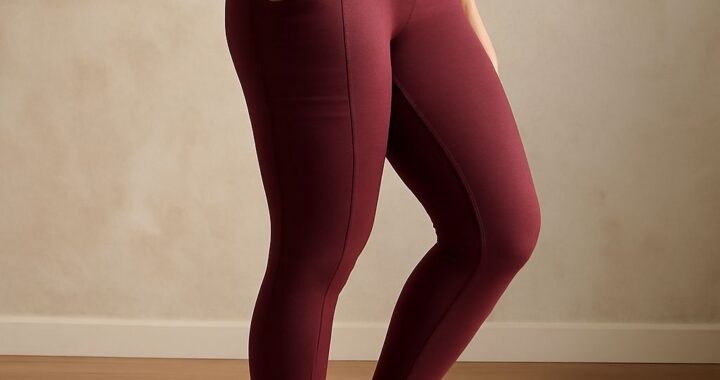
In pantyhose vs tights vs leggings, leggings provide the most substantial everyday coverage. They start at the waist and usually end at the ankle, but they do not cover the foot. Their fabric is typically thicker than hosiery and may contain cotton, polyester, nylon, or elastane. They can offer light, medium, or firm stretch support and usually withstand more wear than sheer legwear.
- Want sheer coverage under a dress or skirt: Choose pantyhose. Pair them with pumps, flats, or dress boots for office outfits, ceremonies, and polished evening looks.
- Want opaque coverage and warmth: Choose tights at roughly 40 denier or higher. Wear them with skirts, sweater dresses, tunics, and boots in cool weather.
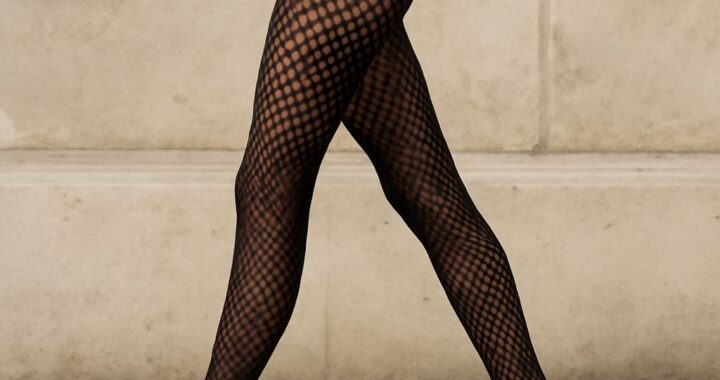
- Want bold color or pattern: Choose fashion tights. Fishnet, ribbed, glitter, lace, and printed designs add contrast beneath a simple dress or skirt. Keep the rest of the outfit relatively clean so the legwear remains intentional.
- Want separate legs and an open waist: Choose stockings. Wear thigh-highs with a secure band for shorter outfits, or use a garter belt when you want dependable hold and a vintage-inspired silhouette.
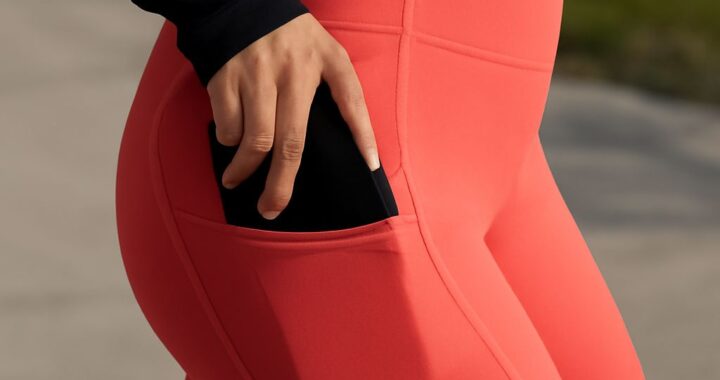
- Want coverage without covering your feet: Choose leggings or footless tights. Pair leggings with long sweaters, tunics, casual dresses, and athletic layers; pair footless tights with boots or dance-inspired outfits.
- Want smoothing through the waist and hips: Choose control-top tights or pantyhose. Check the sizing carefully, because excessive compression can create rolling and discomfort.
- Want maximum durability for casual movement: Choose opaque leggings or high-denier tights. Their thicker knit generally handles friction better than sheer pantyhose or stockings.