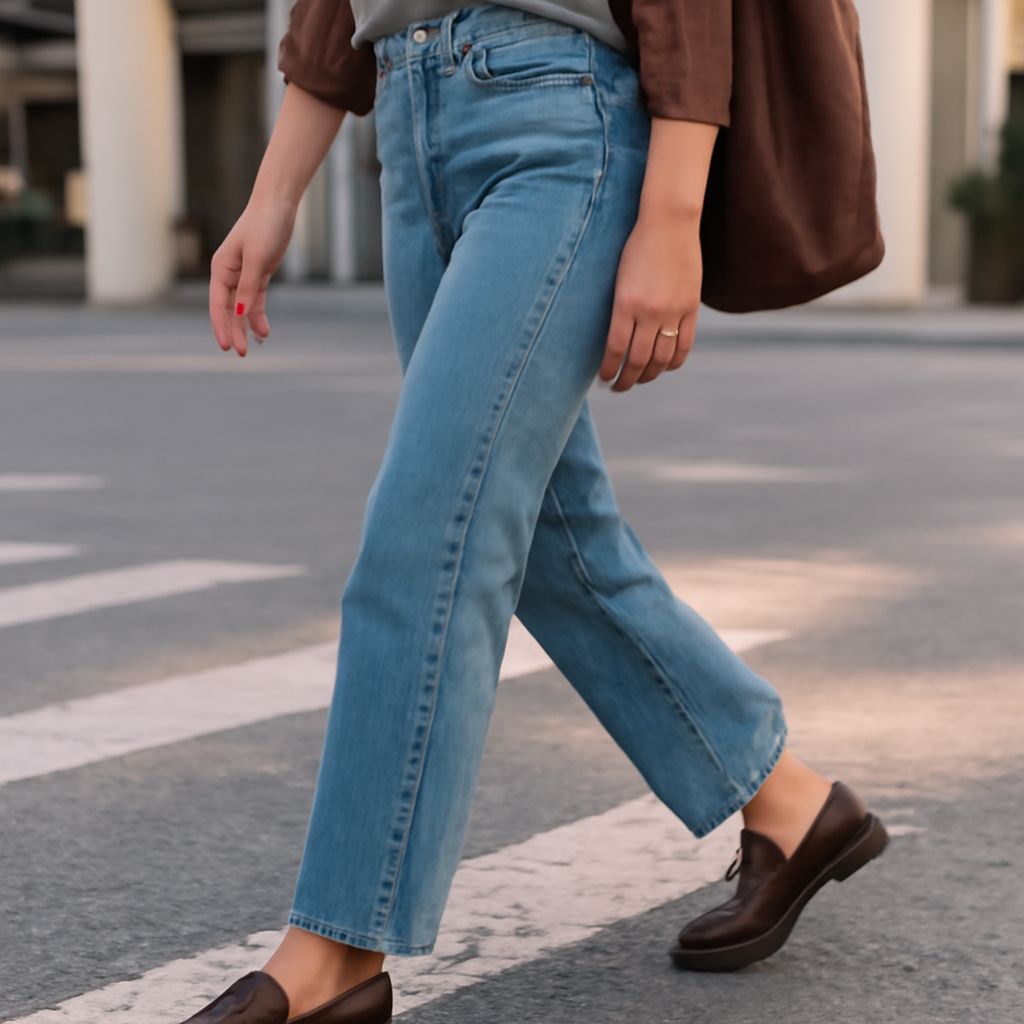
A dark pair of jeans, a well-fitting shirt and polished shoes can take you from an afternoon meeting to dinner without an outfit change. The trick is making the pieces look as though they belong at the same event. If you are wondering whether dress shoes work with denim, start with the cut and hem, then look at the shoes’ shape and finish.
You can wear tailored shoes with jeans in many settings, but the result can be relaxed or quite polished depending on the details. A pair of black patent shoes and heavily distressed denim will tell a very different story from brown loafers and dark straight-leg jeans. Neither combination needs a moral verdict; it does need an occasion that suits it.
Can You Wear Dress Shoes With Jeans for Your Occasion?
Can you wear dress shoes with jeans to dinner? Often, yes: clean denim, a shirt or knit and a pair of loafers can feel appropriately put together. For an office, wedding or restaurant with a specific dress code, check what the host or venue expects. Some occasions call for tailored trousers regardless of how smart your shoes look.
Think of formality as a scale rather than a switch. A smooth leather Oxford, a lace-up shoe with a closed lacing system, generally looks more formal than a suede loafer. A plain dark jean usually reads more polished than a faded pair with rips. Bring the two ends closer together with the rest of your outfit: a blazer and crisp shirt make a different impression from a T-shirt and overshirt.
Can you wear dress shoes with jeans to a less formal gathering? Try a softer shoe and a relaxed top. Suede derbies, loafers or simple leather boots can bridge the gap between denim and a tailored layer. The aim is not to disguise the jeans as a suit; it is to make the contrast look intentional.
Match the Leg to the Shoe
Start with the jeans you already like. Straight-leg denim works with many shoe shapes because it leaves a clean line from thigh to hem. A tapered leg can reveal more of a loafer or sleek lace-up, while a wider leg may sit over the top of the shoe. Try the combination on rather than judging either piece alone on the hanger.
Look at the opening around the ankle. If a very narrow hem bunches on a substantial shoe, it can interrupt the line; if a very wide hem covers a delicate loafer entirely, the shoe may not contribute much to the outfit. That does not make either proportion wrong. It gives you a reason to try a different length or shoe shape and see which result you prefer.
Wearing dress shoes with jeans is easiest to assess from a few steps away. Look in a full-length mirror, then sit down and stand again. The hem will move when you do. Check that you can walk without stepping on the fabric and that the jeans do not catch awkwardly on the back of the shoe.
Get the Hem Length Right for You
The break is the fold formed where a trouser hem meets a shoe. Jeans can have a small break, fall straight with little folding, or stop above the shoe. Each produces a different effect. A shorter hem shows more of a loafer and sock; a longer one creates a more relaxed line over the upper.
Try a temporary cuff before taking jeans for alterations. Fold the hem once and check it from the front and side. A cuff can add a casual detail, so you may prefer an uncuffed hem for a more refined outfit. If you do alter the length, wear the intended shoes at the fitting and consider how much the fabric moves when you sit.
Socks are part of the picture when they show. Dark socks can continue the color of dark denim, while a contrasting pair can become a deliberate accent. Choose a height and fabric you like with the shoe; a bare-looking ankle is an option, not a requirement. Formal footwear with denim should feel wearable when you are actually walking, not just when you are standing for a photograph.
Build an Outfit With Brown Shoes
Jeans and brown shoes offer a useful range of contrasts. Dark indigo denim with medium-brown loafers and a cream knit feels polished without becoming too stiff. For a more casual variation, try lighter blue straight-leg jeans with brown suede derbies and an overshirt. Let the texture of the shoes connect with the relaxed texture of the denim.
Brown footwear with jeans can also work in a dressier outfit: choose a clean dark wash, a shirt and an unstructured blazer. An unstructured blazer has a softer shape than a heavily padded tailored jacket. A belt in a similar color can tie the look together, although it does not need to be an exact match. Check that the shoes are clean and cared for according to their material.
Black shoes are another option. Pair a smooth black derby with dark denim and a fine-gauge sweater for a restrained look, or use a chunkier loafer with wider jeans for a more noticeable silhouette. The more formal the shoe, the more useful it is to check whether the jeans and jacket support that level of polish.
Try Three Combinations
- Relaxed: straight mid-blue jeans, suede loafers, a plain tee and an open overshirt. The soft textures keep the dress shoes from feeling isolated.
- Smart casual: dark jeans, brown leather derbies, a button-down shirt and a lightweight knit. Choose a hem that rests neatly over the shoe.
- More dressed up: clean black or dark indigo denim, black leather lace-ups and a blazer. Confirm the event permits jeans before relying on the outfit.
When combining jeans with dress shoes, check the entire look in the light where you will wear it. A shiny shoe may stand out more than expected against a faded wash; a softer finish may make the transition easier. Try the same jeans with a second pair if you are unsure. Small changes to the cuff, sock or jacket can alter the result without requiring a new wardrobe.
The best test for jeans with dress shoes is simple: check the occasion, walk around and decide whether the proportions feel like you. When the hem clears the floor and every piece looks comfortable in the same room, you have an outfit ready to go.