Choose tights by the visual job you want them to perform. Opaque tights provide the most coverage and a clean foundation, while patterned tights add detail, colored tights shift the outfit’s emphasis, and sparkly tights create occasion-ready shine. Footless tights change how your hemline meets your footwear.
Compare each type by coverage, visual impact, season, shoes, and outfit balance. The right choice should support your dress or skirt rather than compete with it.
Opaque Tights: Choose Coverage, Season, and Hemlines
Opaque tights use dense, mostly nontransparent fabric, often around 40 denier or higher. They make your legs look more uniform, create a strong dark line, and offer more warmth than sheer hosiery. Black provides the most versatile option, but navy, brown, charcoal, and cream can soften the effect.
Choose opaque tights for short skirts, sweater dresses, shirt dresses, and winter miniskirts. They balance a bare-leg hemline by adding visual weight below it. A knee-length skirt works especially well because the tights connect the hem to your shoes without creating a distracting gap.
Match the shoe’s visual weight to the tights. Ankle boots, loafers, and substantial flats support dense hosiery in cool weather. Pumps create a sharper result, particularly with a tailored dress. If your dress or skirt has a bold print, keep opaque tights and shoes quiet. If the outfit is mostly neutral, colored or textured shoes can provide the contrast.
Patterned Tights: Match Pattern Scale to Outfit Balance
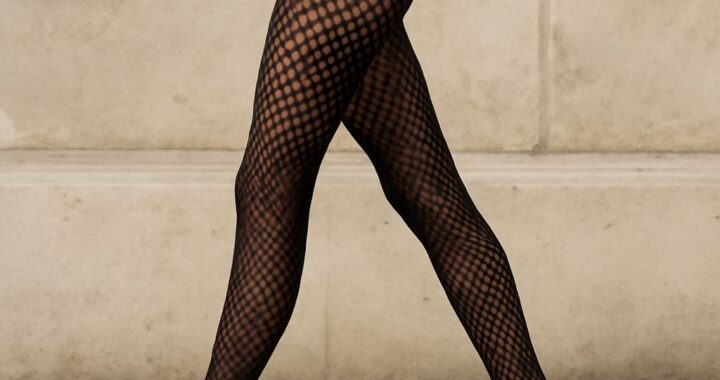
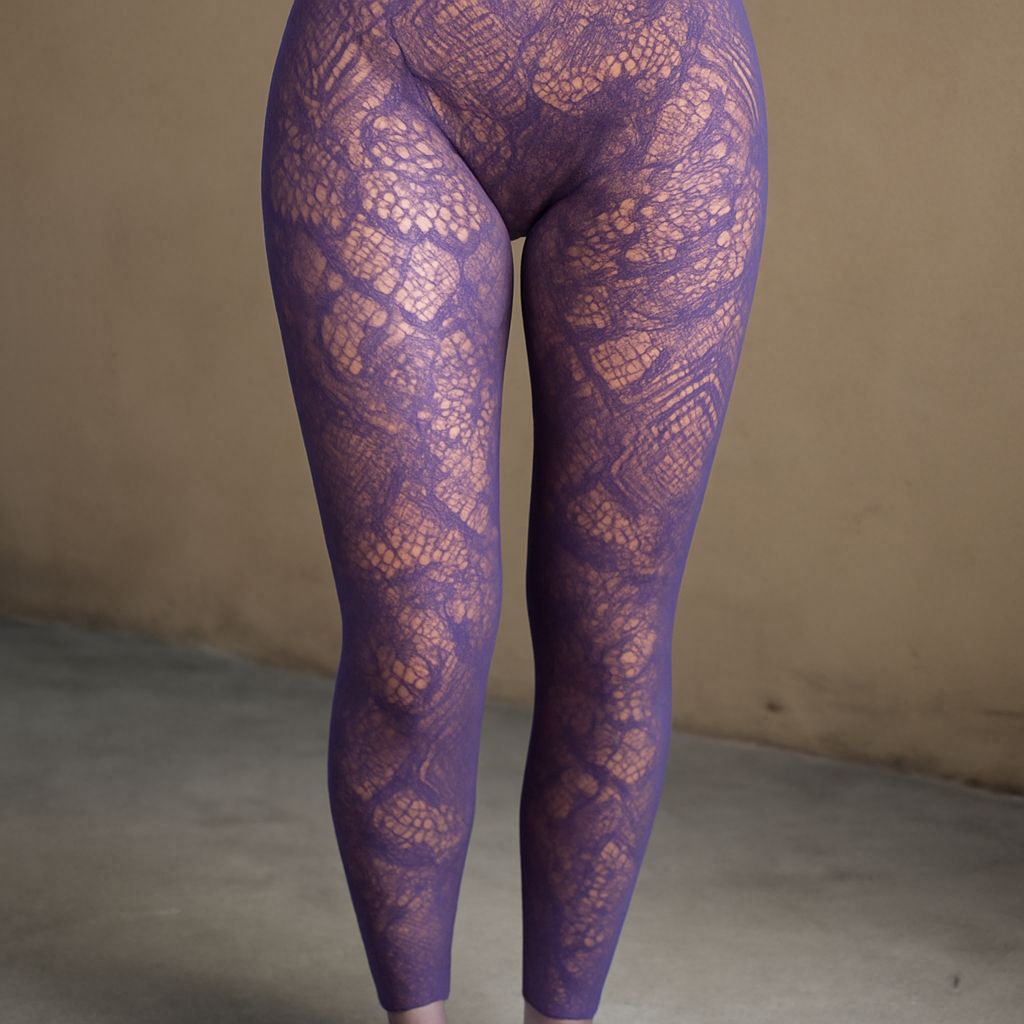
Patterned tights feature a visible design, such as dots, stripes, diamonds, florals, lace effects, or geometric motifs. The pattern draws attention to your legs, so its scale and contrast matter as much as the design itself.
Small dots, fine ribbing, and low-contrast motifs act like texture. They work with solid dresses, simple skirts, and understated shoes without overwhelming the outfit. Large diamonds, bold stripes, and high-contrast graphics make a stronger statement. Pair them with a quiet hemline and solid-color garments so the pattern has room to register.
Pattern scale should relate to the rest of your outfit. A large print on your dress plus large motifs on your tights can make the look feel visually crowded. With a short hemline, patterned tights become more prominent because you see more of the leg. Ankle boots ground busy designs, while pointed flats or pumps create a cleaner, dressier line.
For colder months, wear patterned tights with wool skirts, corduroy dresses, and knit layers. For transitional weather, choose a lighter pattern with a shorter skirt and loafers. Keep your accessories simpler when the hosiery already supplies the detail.
Colored Tights: Coordinate Strong Hues with Neutrals
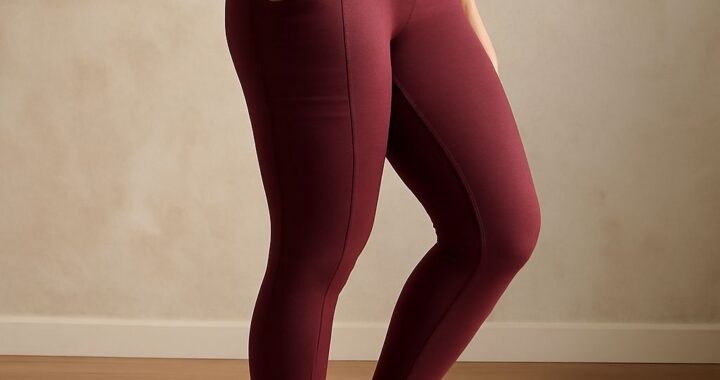
Colored tights change the outfit’s focal point more dramatically than neutral hosiery. Burgundy, forest green, rust, cobalt, and plum feel rich and seasonal; brighter red, pink, or blue create a more playful effect. The color also makes your legs appear more prominent, especially under a short skirt.
Start with a neutral garment when the tights have a strong hue. Black, gray, navy, cream, camel, and denim give saturated color enough contrast without creating competition. You can repeat the tights’ color in a small detail, such as a hair ribbon, bag, stripe, or earring, but avoid matching every accessory exactly.
Use tonal dressing for a more polished result. Pair burgundy tights with a wine-colored skirt or a dusty rose knit, then add brown or black shoes. For a high-contrast look, combine cobalt tights with gray tailoring or mustard tights with navy. Keep the shoe color close to the hem or tights when you want a longer leg line.
Colored tights suit fall and winter particularly well because they complement heavier fabrics and darker palettes. In spring, choose lighter shades with denim, cotton skirts, or simple dresses. If the color feels intense, reduce the outfit’s pattern, shine, and accessory count.
Footless Tights: Compare Hosiery Fabric, Full-Foot Pairings, and Sparkle
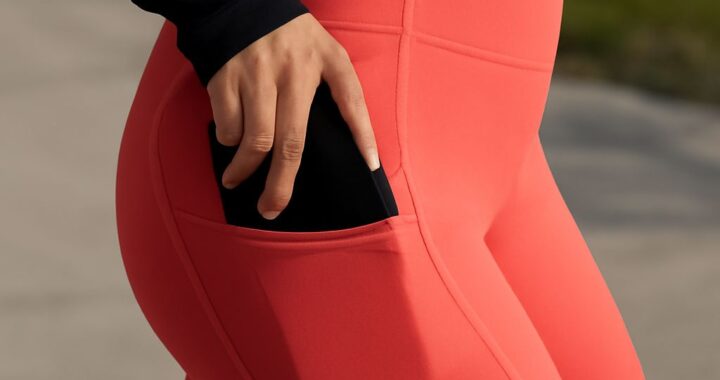
Footless tights are stretchy hosiery that covers the legs but stops at the ankle, leaving the foot exposed. They are usually thinner, smoother, and more elastic than leggings, with a hosiery-style waistband and fabric designed to sit beneath dresses or skirts. Unlike leggings, they are not generally intended as a standalone bottom with a short top.
Choose footless tights when you want leg coverage but prefer to show a bare ankle, sock, or part of your shoe. They work with ankle boots, high-top sneakers, ballet flats, and loafers. With flats or low-cut shoes, check that the ankle opening looks intentional; a visible fabric edge can interrupt the line if it lands awkwardly.
Footless styles pair naturally with midi skirts, short dresses, tunics, and longer tops. A midi hem can cover the transition at the ankle, while a shorter hem makes the exposed ankle part of the styling. In cooler weather, add socks under boots or wear the tights with shoes that cover most of the foot.
Full-foot tights cover the toes and create a continuous line from hem to shoe. They suit pumps, closed-toe flats, loafers, and boots. Choose a close color match for a streamlined effect, or use contrasting shoes when you want the footwear to stand out. Open-toe shoes require more care because the toe seam or covered toes may look accidental.
Sparkly tights add glitter, metallic thread, sequins, or reflective shimmer to the hosiery. Treat them as the outfit’s main accent. Pair them with a matte dress, simple skirt, or plain knit, then choose shoes with limited decoration. Check the look in direct light: if the tights, jewelry, bag, and shoes all shine, remove one or two reflective elements.
- Keep the hemline simple when the tights have a large pattern, bright color, or strong sparkle.
- Repeat one hosiery color in a small accessory, not across the entire outfit.
- Check where the fabric ends at the ankle, waist, and toe before leaving home.