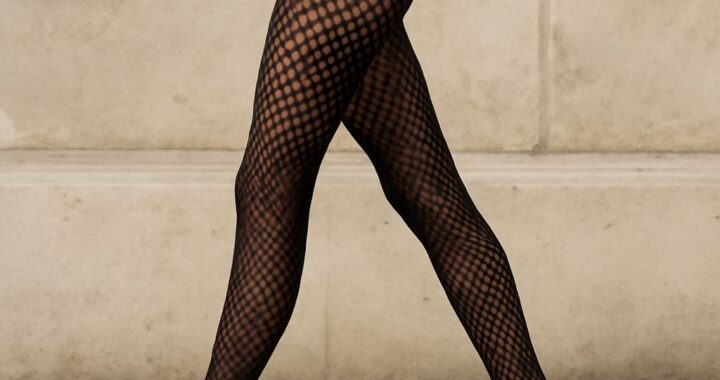
What is pantyhose? Pantyhose are one-piece hosiery with a waistband, built-in brief or control top, and two close-fitting leg tubes. They usually use fine nylon, polyester, or elastane yarns to create a smooth layer under dresses, skirts, and formal outfits.
The key distinction is purpose. Pantyhose prioritize a polished appearance and light coverage, while leggings, merino wool tights, and hiking tights prioritize opacity, warmth, moisture handling, movement, or durability.
What Is Pantyhose? Construction, Opacity, and Typical Coverage
Pantyhose extend from the waist to the toes in a single garment. Their fine, stretchy knit creates a close fit without the separate waistband and pant construction used in leggings. Many styles include a reinforced toe, sewn-in brief, gusset, or shaping panel.
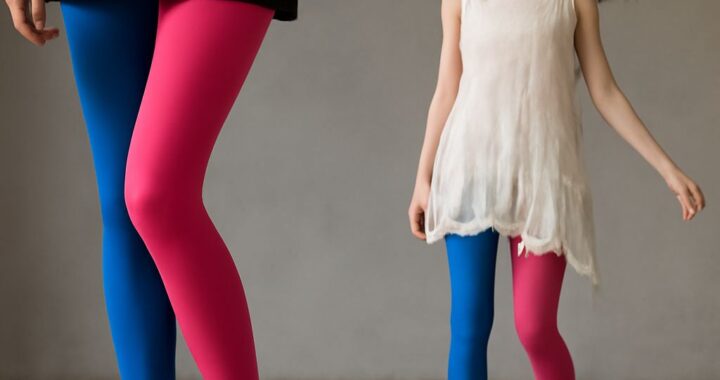
Coverage ranges from barely visible sheer hosiery to opaque styles that conceal most of your skin. Denier describes yarn weight and usually gives you a useful opacity clue: lower-denier pantyhose look sheerer, while higher-denier versions look denser and feel warmer. However, denier does not fully predict softness, stretch, or durability.
Pantyhose work best when you want even color, a smooth silhouette, and modest coverage beneath an outfit. They can add a little insulation, but their thin fabric, delicate construction, and limited moisture management make them a poor choice for demanding outdoor activity.
Pantyhose and Leggings: Why Thickness Is Not the Difference
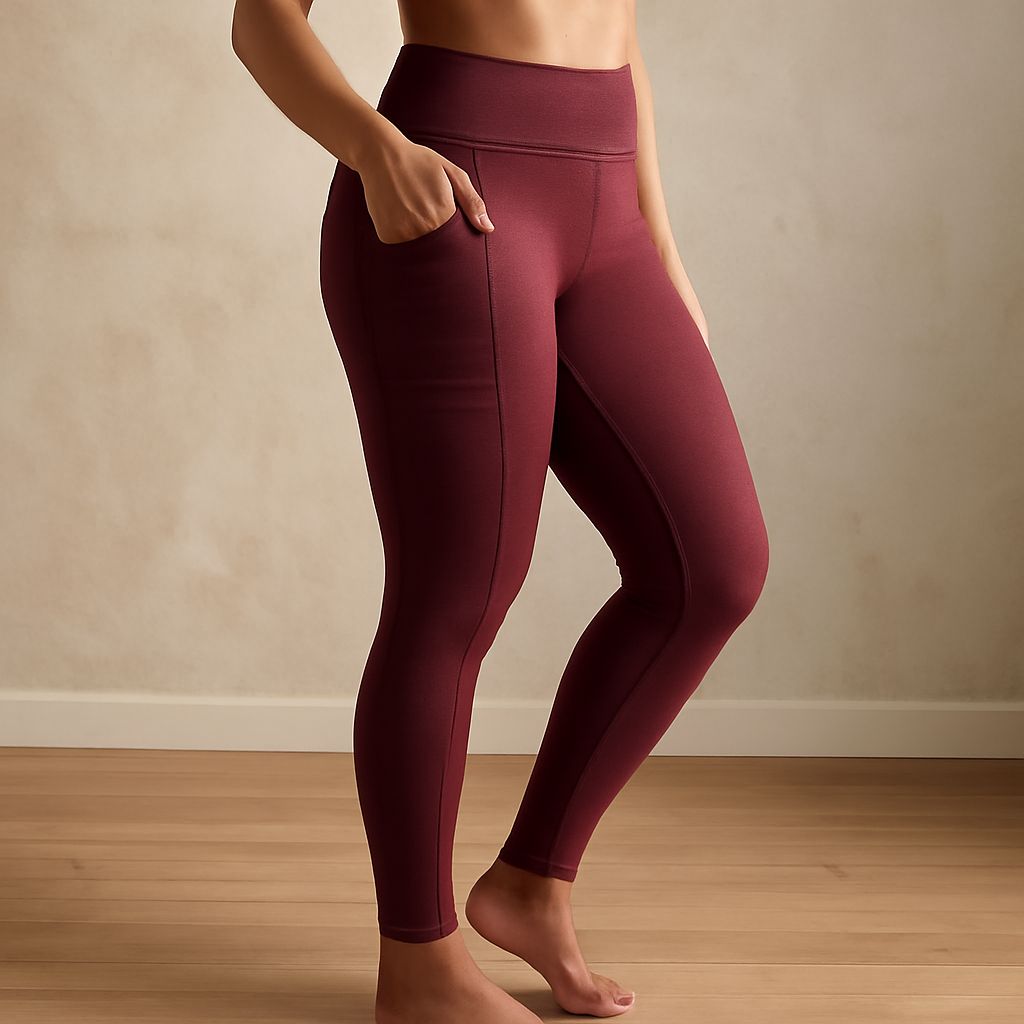
Searches for pantyhose leggings often combine two different garment categories. Leggings are standalone, pull-on legwear made from a thicker knit, typically with a broad elastic waistband and enough opacity to function like pants or a base layer.
Leggings are not simply thicker pantyhose. Their construction usually supports independent wear: a more substantial waistband, stronger fabric, wider seams, and greater resistance to stretching or snagging. Some include a gusset, ankle-length cuffs, or compression panels. Pantyhose, by contrast, are designed to disappear beneath clothing and often rely on a built-in brief rather than a separate pants-style waist.
Use pantyhose for dresses, skirts, polished workwear, or formal occasions. Choose leggings when you need opaque coverage with a sweater, tunic, or athletic top. Check the fabric blend and transparency in motion; even thick-looking leggings can become see-through when stretched.
Merino Wool Tights: Warmth and Moisture Management
Merino wool tights make sense when you need a warm base layer that can handle changing temperatures. Merino fibers trap air for insulation and absorb moisture vapor from your skin, helping reduce the clammy feeling that can develop under multiple layers.
Merino also resists retaining odor better than many ordinary synthetics, which helps during travel or repeated wear. Its temperature-regulating behavior can feel comfortable indoors and outdoors, especially when activity levels change.
These tights still have limits. Wool can absorb substantial moisture and may dry more slowly than polyester or nylon after heavy sweating. Look for a merino blend with elastane for recovery and synthetic fibers for faster drying and improved durability. A lightweight pair suits layering under trousers; a heavier pair provides more warmth beneath a skirt or dress.
Hiking Tights: Movement, Durability, Pockets, and Seams
Hiking tights are built for movement and contact with the trail. Compared with fashion tights, they commonly use denser nylon, polyester, or blended fabrics with elastane. The fabric should stretch through lunges, climbs, and high steps without becoming transparent or losing its shape.
Durability is another major difference. Hiking designs may add abrasion-resistant panels at the knees and seat, reinforced stitching, and fabric that tolerates brush, rock, and repeated washing. Flat or low-profile seams reduce rubbing under a backpack hip belt, while a secure waistband prevents rolling as you bend.
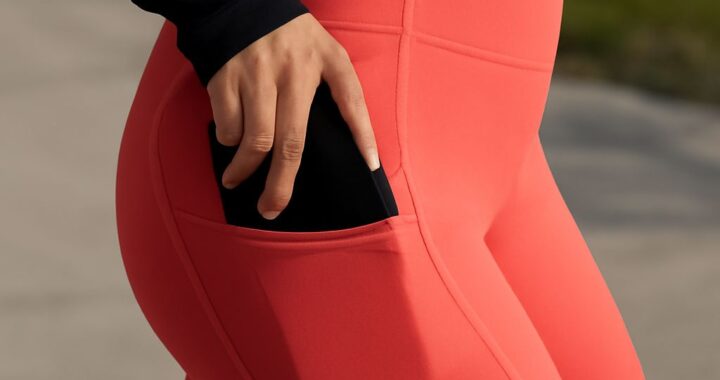
Pockets also separate hiking tights from most fashion hosiery. Useful designs include a zippered pocket for keys, a side pocket for a phone, or a rear pocket that keeps small essentials secure. Pocket placement matters: test whether your phone bounces, pulls the waistband down, or interferes with a hip belt.
Choose fashion pantyhose for appearance, leggings for opaque everyday coverage, merino wool tights for warm moisture-managing layering, and hiking tights for active trails. Do not substitute delicate fashion hosiery when abrasion resistance, secure storage, and reliable movement matter.