Selvage denim stands out as a hallmark of quality and craftsmanship in the world of jeans and casual wear. If you’ve ever wondered what is selvedge or why denim enthusiasts seek out this fabric, the answers come down to how it’s woven, its distinctive edge, and its reputation for durability and timeless style. Whether you’re considering your first pair or looking to deepen your appreciation, understanding selvage denim helps you make smarter wardrobe choices that last.
Defining Selvage Denim: What Sets It Apart
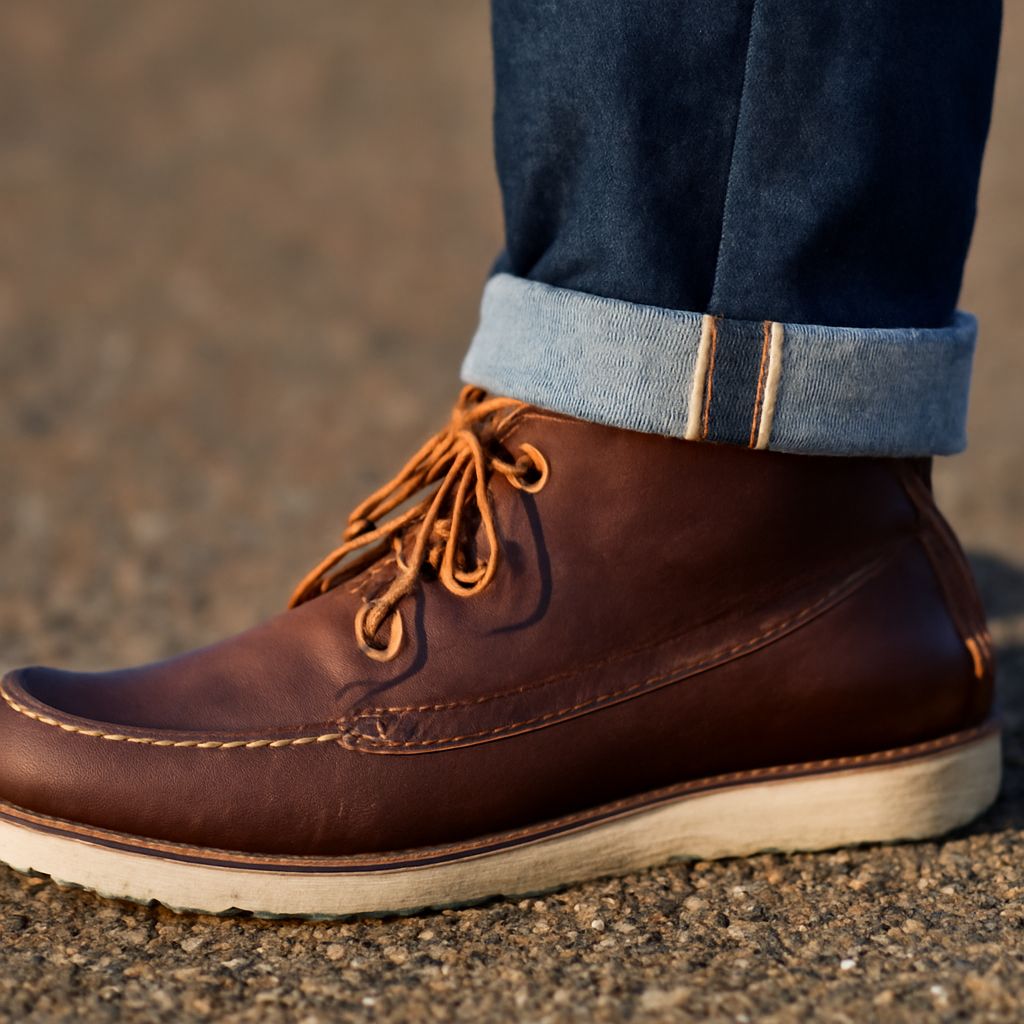
Selvage denim, sometimes spelled “selvedge denim,” refers to denim fabric woven on traditional shuttle looms. The word “selvage” comes from “self-edge,” describing the tightly woven, unfraying edge running down each side of the fabric. This edge is typically finished with a colored thread—often red or blue—making it instantly recognizable, especially when you cuff your jeans or inspect the fabric closely.
What sets selvage denim apart from regular denim is both the construction and the resulting quality. Unlike denim made on modern projectile looms, which cuts the fabric and leaves an unfinished edge, selvage denim’s edge is clean, finished, and resists unraveling. This makes selvage jeans more robust and less prone to fraying along the seams.
Selvage denim is also considered a mark of authenticity and craftsmanship. Because shuttle looms weave narrower fabric—usually 28 to 32 inches wide—making jeans from selvage denim requires more fabric and attention to pattern placement. The result is a more tailored, premium-feeling garment.
How Selvage Denim Is Made
The production process for selvage denim begins with the use of shuttle looms, which were standard before the 1950s. These looms weave a continuous cross-thread (weft) back and forth, locking neatly at the fabric’s edge to create the signature selvage. This contrasts with wider, modern looms that cut the weft at the edge, resulting in a raw, unfinished side.
Most selvage denim is made from 100% cotton, often using ring-spun yarns for extra strength and texture. The fabric is woven slowly, which increases tension and density, creating a stiffer, more durable textile. Because the shuttle loom machines produce less fabric per hour than modern looms, manufacturers create smaller runs, further emphasizing the exclusivity and attention to detail.
The colored line along the selvage edge was originally a way for mills to identify which brand or mill produced a particular roll of denim. Today, it’s become a badge of honor and an easy way to spot authentic selvage. Japanese mills like Kuroki, Kaihara, and Nihon Menpu are renowned for their traditional techniques and meticulous standards, producing some of the most sought-after selvage denim in the world.
Why Choose Selvage Denim for Your Wardrobe
Choosing selvage denim adds long-term value to your closet. First, selvage jeans are more durable than most mass-produced jeans because of the tight weave and finished edge. They resist fraying, maintain their fit longer, and are less likely to tear along the seams. For those who love jeans that develop a personal character, selvage denim excels—raw or unwashed selvage fades and molds to your body over time, creating unique whiskers, honeycombs, and wear patterns that reflect your lifestyle.
Selvage denim is also a favorite among style enthusiasts for its classic look and versatility. The neat cuff and visible edge detail add a touch of sophistication, whether you dress your jeans up with a blazer or keep things casual. While selvage jeans may cost more upfront than mass-market alternatives, their longevity and the quality of their construction often mean you’ll spend less in the long run.
Brands like Levi’s Vintage Clothing, Naked & Famous, A.P.C., and 3sixteen all offer signature selvage denim lines, each with distinct washes, weights, and fits. Whether you prefer a heavyweight Japanese selvage or a lighter Cone Mills fabric, there’s a pair to match your style and comfort preferences.
Spotting Authentic Selvage Denim
To identify genuine selvage denim, start by examining the inside seam of the jeans. Authentic selvage denim will display a tightly woven edge finished with a colored line—red is the most common, but you’ll also see blue, white, or green depending on the mill and brand. If you cuff the leg, the selvage edge should be crisp and unfrayed.
Pay attention to fabric weight, texture, and overall construction. Selvage denim often feels stiffer and denser than regular denim, especially in raw form. Look for details like chain-stitched hems, reinforced belt loops, and hidden rivets—signs that the maker values durability. Most premium brands will highlight the selvage edge in their product descriptions and often include origin details, such as “Japanese selvedge” or “Cone Mills selvage.”
Unlike mass-produced jeans, selvage denim is typically narrower and less likely to be found in budget clothing stores. If you’re unsure, ask a sales associate or look for brand tags that specifically mention selvage denim. With a little practice, spotting authentic selvage becomes second nature, helping you invest wisely in jeans built to last.