Choosing between an ivory and white wedding dress can significantly impact your bridal look. Both colors offer their own unique charm and elegance. Understanding the differences between these shades can help you decide which one aligns best with your style and special day.
Understanding Ivory and White Shades
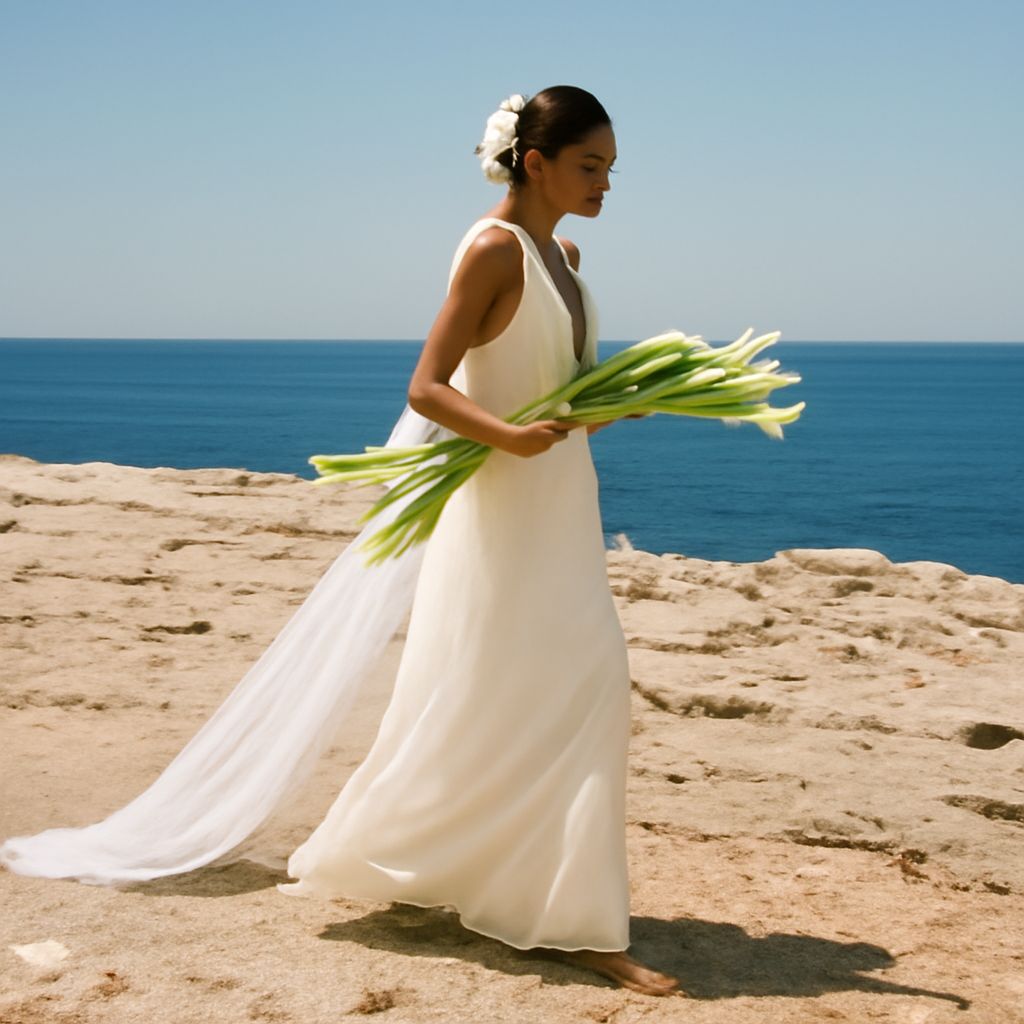
The primary distinction between ivory and white is their hue. White wedding dresses are classic and feature a bright, pure white tone. This color is often associated with traditional weddings and provides a crisp, clean look.
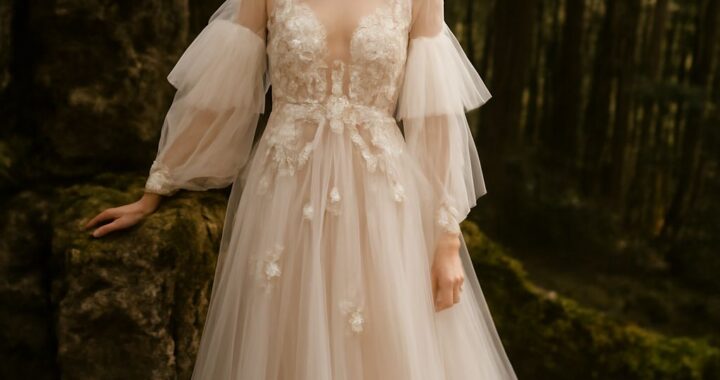
Ivory, on the other hand, carries a slightly warmer tone, often with subtle undertones of cream or yellow. This softer color can add a more romantic and vintage feel to your dress. Ivory dresses can sometimes appear more luxurious due to their rich undertone.
How to Choose Based on Skin Tone
Your skin tone can play a crucial role in deciding whether ivory or white will look best on you. White dresses tend to complement darker skin tones, creating a striking contrast. However, on lighter skin tones, pure white can sometimes appear too stark and may wash you out.
Ivory is generally more forgiving and flattering across a variety of skin tones. The warmth of ivory can enhance fair skin by adding a touch of color and can also complement medium and olive skin tones beautifully.
Styling Tips for Ivory and White Dresses
When styling a white wedding dress, consider accessories that will enhance its brightness. Silver or platinum jewelry can accentuate the pristine nature of the dress. Bright, bold colors in your bouquet can also provide a stunning contrast.
For ivory dresses, warm-toned accessories such as gold or rose gold jewelry will enhance the rich, creamy hues. Soft pastels in your floral arrangements can complement the vintage aura of an ivory dress.
Consider the venue and theme of your wedding as well. A classic, formal ceremony might suit a traditional white dress, while a rustic or vintage setting could pair beautifully with ivory.