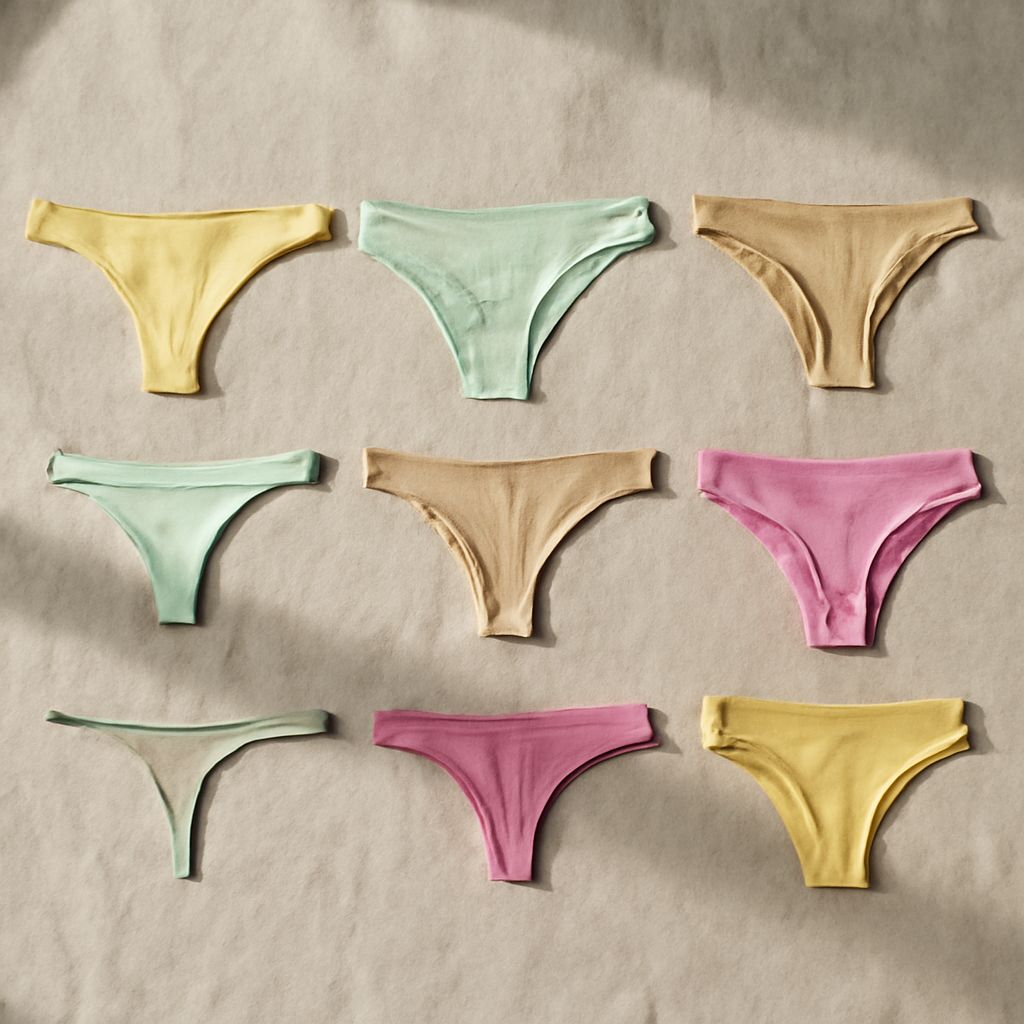
Thongs are a staple in many underwear drawers for their minimal coverage and invisible lines under clothing. Whether you’re looking for comfort, style, or functionality, understanding the different types of thongs can help you find the perfect fit for your needs. From classic silhouettes to modern updates, this guide highlights the main types of thongs, their unique features, and the materials that make them comfortable and practical.
What Are Thongs and Why Choose Them?
A thong is a style of underwear or swimwear designed with a slim strip of fabric at the back, which minimizes visible panty lines while offering light coverage. Thongs are popular because they virtually disappear under tight or thin clothing, making them a top choice for leggings, fitted dresses, or light fabrics. Unlike fuller coverage styles, they reduce bunching and are less likely to show through clothes.
People choose thongs for a variety of reasons. Many prefer the no-show effect, while others find them more comfortable in hot weather or during workouts. Thongs are also favored for their modern, confident look. With plenty of design variations, you can find options suited for everyday wear, special occasions, or performance needs.
If you’re new to thongs, choosing the right style and material can ease the transition and keep you comfortable as you get used to the fit. Next, explore the different types of thongs and how each style serves a unique purpose.
Types of Thongs: Popular Styles Explained
There are several types of thongs, each with its own structure and benefits. Knowing the differences helps you select the best option for your lifestyle and wardrobe.
- Classic Thong: The classic thong offers a narrow back panel and moderate waistband, delivering reliable no-show coverage under most outfits. It’s a go-to choice for everyday wear.
- G-String: Featuring a thin string for the waistband and back, the G-string is the most minimal type of thong. It’s perfect for skin-tight dresses or when you want absolutely no visible lines.
- C-String: This unconventional style has no waistband at all and relies on a flexible frame to stay in place. C-strings are often chosen for extreme no-show needs or certain swimwear looks.
- V-String: Like the G-string, but with a distinct V shape in the back. This design offers a playful look and minimal fabric, making it a favorite for lingerie sets.
- Cheeky Thong: Designed with a slightly wider back panel, the cheeky thong provides more coverage than a G-string while still reducing panty lines. It’s a comfortable, modern compromise between a thong and bikini cut.
- High-Waisted Thong: This style sits above the hips, offering tummy support and a vintage-inspired silhouette. High-waisted thongs are popular for sculpting effects and retro fashion trends.
When comparing different types of thongs, focus on how much coverage you want, how the waistband sits on your body, and your style preferences. Each design serves a distinct purpose in your underwear collection.
Materials Used in Thongs and Their Benefits
The comfort and performance of a thong depend heavily on its fabric. Modern thongs use a range of materials to suit different situations, from everyday comfort to athletic performance.
- Cotton: Breathable and soft, cotton thongs are ideal for daily wear and sensitive skin. They help reduce moisture and irritation, making them a healthy choice for long hours.
- Microfiber: Lightweight, stretchy, and smooth, microfiber thongs hug your body for a seamless effect. They dry quickly and resist bunching, perfect for workouts or hot climates.
- Lace: Chosen for its aesthetic appeal, lace offers breathability and a sexy look. Lace thongs are often used for special occasions or lingerie.
- Nylon/Spandex Blends: These materials create a sleek, flexible fit with excellent stretch. They’re common in seamless and invisible thongs that move with you all day.
- Bamboo: Naturally antimicrobial and moisture-wicking, bamboo fabric is a newer option for eco-friendly, sensitive skin alternatives.
Choose a material that aligns with your activity: cotton or bamboo for breathability, microfiber or nylon blends for invisible wear, and lace for style. The right fabric can enhance comfort and confidence.
How to Choose the Right Thong for You
Start by considering when and where you’ll wear your thong. If you’re seeking something for daily use, a classic thong in cotton or bamboo is often the most comfortable. For special events or form-fitting clothes, a seamless microfiber or G-string thong offers no-show benefits.
Pay attention to fit, waistband height, and overall feel. A well-fitting thong should stay in place without digging or rolling. Try different types of thongs, such as high-waisted or cheeky styles, to see what flatters your body shape and provides confidence. For athletic activities, look for designs with moisture-wicking fabrics and reinforced gussets.
Don’t hesitate to experiment with colors and lace for fun or special occasions. Ultimately, the best thong is the one that feels great and fits your style. Shop with comfort, fabric, and intended use in mind to build a thong wardrobe you’ll love wearing every day.