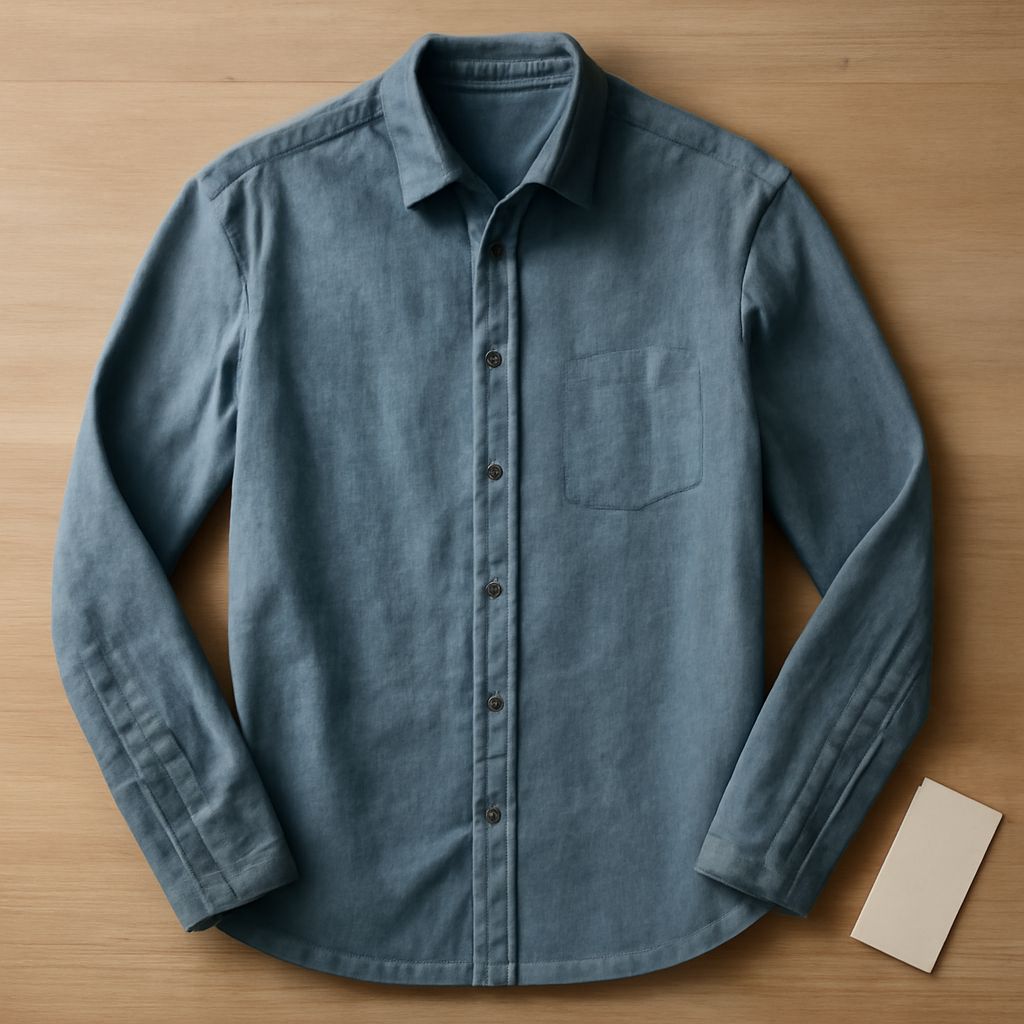
Understanding how dress shirt sizes work is essential when building a wardrobe that feels comfortable and looks stylish. Dress shirts are typically sized based on specific measurements that help ensure a good fit. This guide will explore the fundamental aspects of dress shirt sizing, the key measurements you need to know, differences in sizing systems, and tips for finding the perfect fit.
The Basics of Dress Shirt Sizing
Dress shirts are usually sized by two main components: neck size and sleeve length. When you see a size like “15 34/35,” this means the shirt has a neck size of 15 inches and a sleeve length that fits people who typically wear either 34 or 35 inches. Some brands may also include a label like “S,” “M,” “L,” or numerical sizes like “38” or “40” for additional chest and body fit information.
Key Measurements for Dress Shirts
To find a dress shirt that fits well, focus on these critical measurements:
- Neck Size: Measure around the base of your neck, where the collar will sit comfortably. Allow enough room to fit one or two fingers between your neck and the tape.
- Sleeve Length: Start from the middle of the back of your neck and measure over your shoulder and down to the wrist. This gives you your sleeve length.
- Chest: Wrap the tape measure around the fullest part of your chest, under your armpits, and over your shoulder blades. Keep the tape snug but not tight.
- Waist: Measure around the narrowest part of your torso, usually just above the belly button.
- Shirt Length: Measure from the highest point on your shoulder, just next to the collar, down to where you want the shirt to end.
Differences in Sizing Systems
Dress shirt sizing can vary depending on the region and brand. In the United States and UK, dress shirts are often sized using inches, as described above. However, European brands may use centimeters instead, offering sizes like “39” or “40” to denote the neck size.
Additionally, some brands use alpha sizes, such as “S,” “M,” or “L,” which can be less precise but often include detailed size charts to help you find the correct fit. It’s crucial to refer to the brand’s own sizing guide when purchasing shirts, especially if it’s a new brand to you.
Tips for Finding the Perfect Fit
To ensure a perfect fit, keep these tips in mind:
- Try Before You Buy: Always try on a dress shirt before purchasing whenever possible. Pay attention to how it feels around your neck, shoulders, and arms.
- Consider Fabric Shrinkage: Natural fibers like cotton may shrink slightly after the first few washes, so keep this in mind when selecting your size.
- Check the Fit: A well-fitting dress shirt should allow for comfortable movement without excessive fabric bunching or pulling. The shoulder seams should align with your actual shoulders.
- Consult a Tailor: If you find a shirt that fits well in one area but not another, a tailor can make adjustments to achieve the ideal fit.
By understanding how dress shirts are sized and knowing your key measurements, you can confidently select shirts that enhance your style and comfort. Explore different brands and sizing systems, and don’t hesitate to seek professional tailoring for that perfect, polished look.