For most manicures, use two thin coats of regular nail polish over a thin base coat. One coat may cover an opaque formula, while a sheer shade may need three. Your ideal number depends on opacity and coat thickness, not a rigid rule.
Thin layers release solvent more evenly, dry faster, and resist dents better. Apply another coat only when the previous layer looks even and feels set enough to handle gentle brushing.
Choose How Many Coats of Nail Polish to Use
Start with clean, dry nails and one thin base coat. Let it settle briefly, then apply color from cuticle to tip using three narrow strokes. Keep each layer thin; a thick coat can remain soft underneath even when its surface feels dry.
- One coat: Use it for highly pigmented polish when the nail looks evenly covered without streaks.
- Two coats: This is the usual choice for cream, pastel, and medium-opacity shades.
- Three coats: Add a third thin layer for sheer, jelly, glitter, or streak-prone formulas.
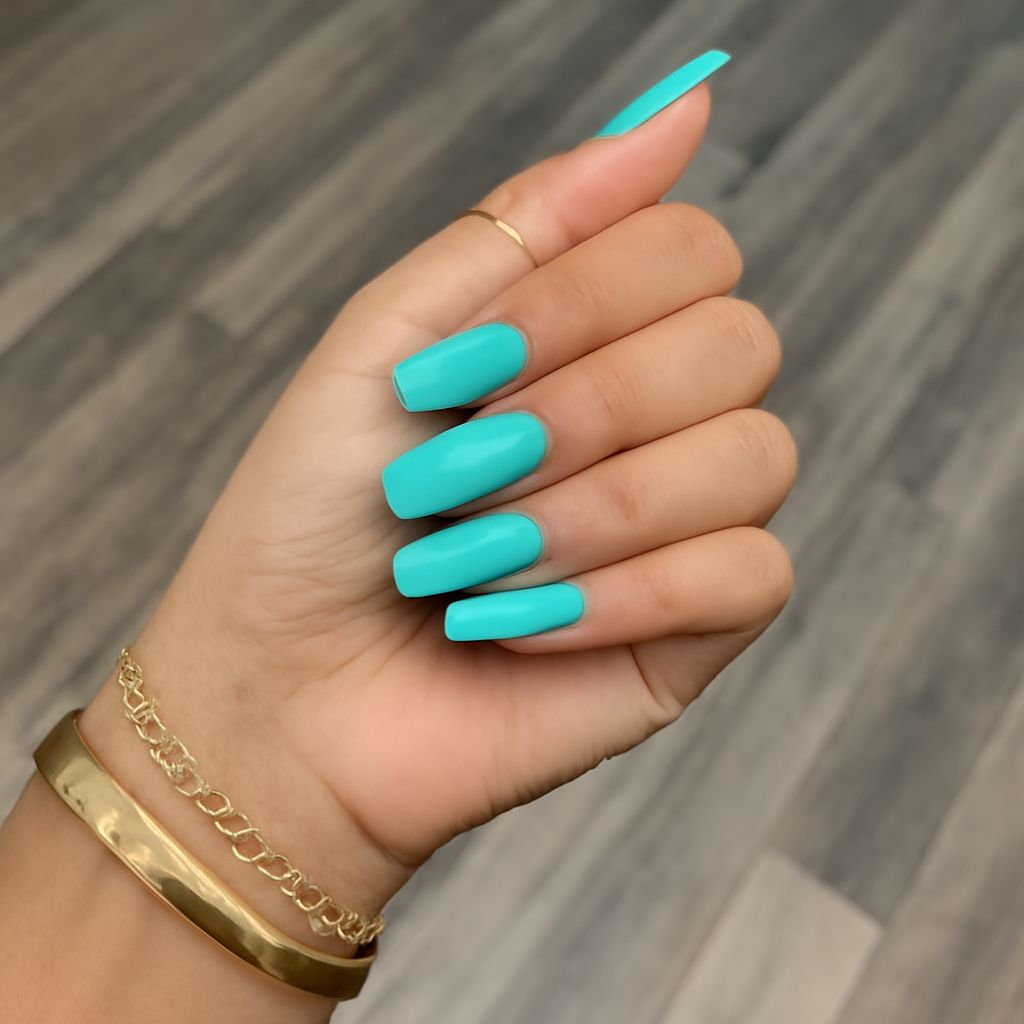
Check the result under bright light before adding more. If you can see the natural nail clearly or notice visible brush lines, add another thin coat. Stop when the color looks smooth and consistent. Extra layers do not improve a finish that already looks opaque; they can increase drying time and smudging.
How Long to Let Nail Polish Dry Between Coats
The answer to how long to let nail polish dry between coats depends on layer thickness, formula, humidity, and airflow. As a starting point, wait two to three minutes between thin color coats. Sheer polish may set sooner, while thick or slow-drying formulas need longer.
Use the surface as your guide rather than relying on the clock alone. The coat is ready when:
- It no longer looks visibly wet or pools around the cuticle.
- Your brush glides over it without dragging, wrinkling, or pulling color away.
- A very light touch near the edge does not leave a fingerprint or dent.
If the surface marks easily, wait another two to five minutes. Avoid blowing directly on the nails, because uneven airflow can create skin or dust on the surface. A coat may feel dry while solvents continue escaping underneath, so handle freshly painted nails gently.
Can You Put Regular Nail Polish Over Gel?
Yes, you can put regular nail polish over gel if the gel manicure is fully cured, smooth, and firmly attached. Clean the surface with alcohol or a suitable nail cleanser, then let it dry completely. Apply regular polish in thin coats, allowing each layer to set before adding the next.
Do not use lifting, cracked, painful, or damaged gel as a base. Polish can conceal a problem and trap moisture around separated areas. Have the gel repaired or removed instead.
Applying lacquer over intact gel is temporary and changes removal. Use non-acetone remover if you want to preserve the gel underneath, testing it on one nail first. Acetone may dull or weaken some gel systems. If you plan to remove the gel soon, follow the product system’s removal process rather than peeling either layer.
Finish and Check the Manicure
Apply a thin, compatible top coat after the final color layer has settled for about two minutes. Seal the free edge without flooding the cuticle, then check each nail for bubbles, drag marks, and pooled polish.
- Keep hands still for at least 10 to 15 minutes after the top coat.
- Avoid hot water, pressure, and tight shoes or gloves during the first hour.
- Use light contact until the manicure fully hardens, which can take 12 to 24 hours.
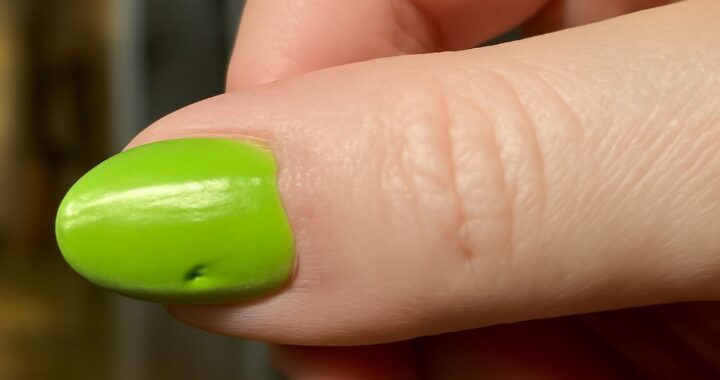
- If you find a dent, smooth it with a small amount of polish and top coat instead of adding several thick layers.