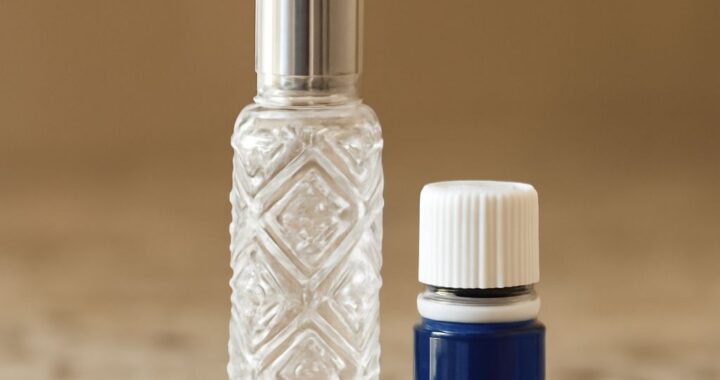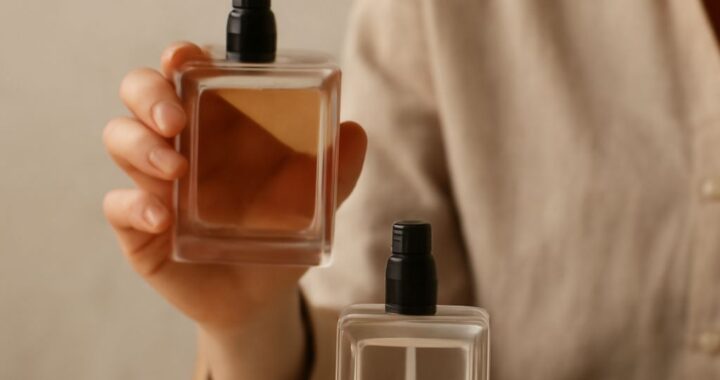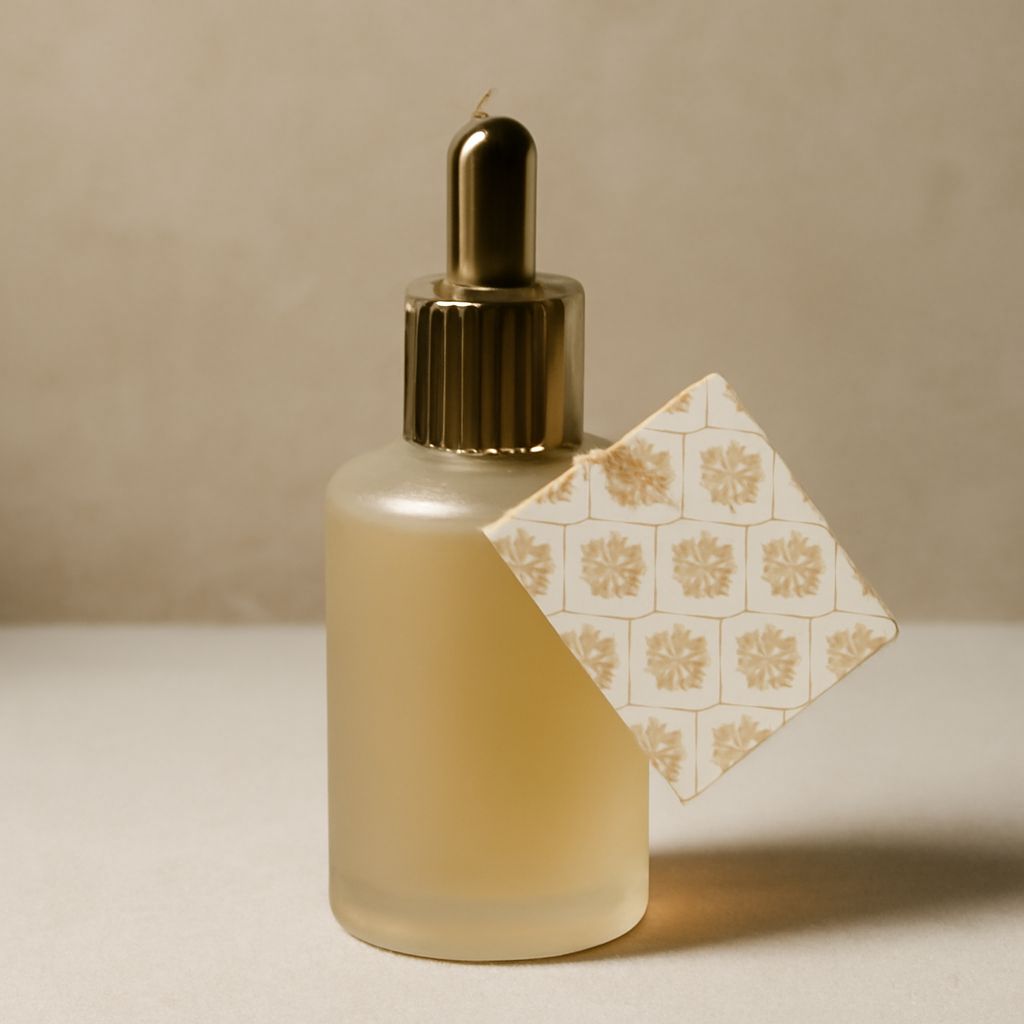
Sweet amber perfume is available in two distinct formats: an alcohol-based spray and an oil applied directly to skin. Perfume alcohol is the carrier in many sprays. The format affects texture, application, projection, and development, while “amber” describes the scent profile—not the carrier. Choose a spray for airy diffusion and a quicker opening; choose an oil for a smoother, more intimate trail.
Both can smell warm, rich, and sweet. A sweet smelling perfume may use amber notes, but sweetness also comes from vanilla, fruit, flowers, caramel, or other accords. Separate the fragrance family from the delivery system before you decide.
What perfume alcohol does in a spray fragrance
Perfume alcohol usually means high-purity ethanol formulated for fragrance use. It dissolves aromatic materials, keeps the formula fluid, and helps the atomizer distribute a fine mist. Once sprayed, alcohol evaporates quickly. That evaporation carries the first volatile notes into the air and leaves the longer-lasting perfume materials on your skin.
This process creates the recognizable spray experience: a cool, wet opening followed by a changing sequence of notes. Alcohol is not what makes a fragrance amber, sweet, woody, or floral. It is the delivery medium. The formula may feel brisk or briefly drying, especially on sensitive skin, but the alcohol itself does not determine the scent family.
How a sweet-smelling perfume creates a warm amber mood
Amber usually refers to an accord, or blend, rather than one universal ingredient. Perfumers may combine labdanum, benzoin, vanilla, balsamic resins, warm woods, and musks to create the effect. The result often feels glowing, smooth, and enveloping.
In a sweet amber profile, vanilla or benzoin can add sugary warmth, while resins and woods give the sweetness depth. Some versions lean creamy and gourmand; others feel smoky, spicy, powdery, or slightly earthy. Read the note list and sample on skin, because “amber” can vary widely between brands.
What to expect from an amber perfume oil
An amber perfume oil uses an oil carrier instead of an alcohol-heavy spray base. Common carriers include jojoba or lightweight cosmetic oils. You typically roll or dab it onto pulse points rather than misting it over a wide area.
Oil feels silky, denser, and less evaporative. It often opens quietly, stays close to the skin, and develops gradually as body heat warms it. That does not automatically mean greater longevity or concentration; formula quality, dosage, skin chemistry, and placement all matter. Oils can also transfer more readily to fabric, so apply a small amount and let it settle.
Choose between oil and spray by texture, projection, and wear
Compare the formats using the same four questions, then choose the scent family separately:
- Texture: Choose spray if you prefer a weightless, quickly drying finish. Choose oil if you like a smooth, moisturized-feeling layer.
- Application: Spray gives broad, even coverage; oil offers precise control at pulse points. Use fewer oil dabs than you expect, then add only if needed.
- Projection: Alcohol spray usually creates more noticeable diffusion, making it useful when you want a roomier trail. Oil generally stays closer and suits discreet wear.
- Development and wear: Spray often reveals top, heart, and base notes more distinctly as alcohol evaporates. Oil may present a rounder opening and a steadier skin scent. Neither format guarantees longer wear, so test both for several hours.
Then decide what you want to smell like. Pick sweet amber when you want vanilla, resin, balsam, or warm wood. Choose a different sweet profile if you prefer fruit, candy, creamy florals, or spice. Finally, match the carrier to the occasion: spray for fast, expansive application; oil for controlled, close wear. You can like the same scent family in both formats.