Ballet tights are performance garments first: they provide secure coverage, smooth lines, and freedom to move through repeated stretches, jumps, and turns. Seamless tights can improve comfort, while shiny tights, fun tights, and sparkle tights primarily change your outfit’s visual effect.
The key distinction is construction and intended use. Choose performance tights for class, rehearsal, or stage requirements; choose decorative styles when appearance matters more than technical support.
Ballet tights and performance needs
Traditional ballet tights use a close-fitting blend, commonly nylon or polyester with elastane, that moves with your legs without sagging. Their stretch should recover after deep pliés, leg extensions, and floorwork. The fabric also needs enough opacity to provide reliable coverage under bright studio or stage lighting.
Construction details affect how well a pair performs. A wide, secure waistband helps keep the tights in place without constantly rolling. A gusset can improve mobility and reinforce a high-stress area. Flat seams reduce rubbing, especially when you wear tights for several hours. Footed, convertible, footless, and stirrup designs each suit different footwear and dress-code requirements.
For ballet class or rehearsal, check the studio’s required color and coverage before choosing a style. Pink or black tights may be standard, and some schools require footed designs. Your tights should stay smooth under a leotard, avoid distracting bunching at the ankles, and remain comfortable as you sweat.
Decorative details can interfere with those goals. Raised glitter, sequins, thick metallic yarns, and rough embellishments may rub your skin or catch against costumes. Fashion tights can look attractive, but they are not automatically suitable for ballet technique, auditions, rehearsals, or performances.
What seamless tights change
In hosiery, “seamless” usually means the main leg tube is knitted in a circular process instead of being joined by a prominent seam along each side. That construction can create a smoother feel under fitted clothing and reduce pressure points at the hips or outer legs.
Seamless does not always mean completely seam-free. A pair may still have a sewn waistband, gusset, or toe closure. Some brands use the term for a design with minimal seams rather than none at all, so inspect the product details if you are sensitive to rubbing.
The fit can feel more flexible because circular knitting distributes stretch around your body. This may help the tights lie smoothly across the waist and seat. However, seamless construction does not correct an unsuitable size. If the waistband digs in, the fabric rolls, or the crotch drops, try a different size, rise, or fiber blend.
Seamless tights work well under body-skimming dresses, skirts, and costumes when you want fewer visible lines. They can also suit low-impact dance or warm-up outfits. For formal ballet use, still check opacity, waistband security, foot design, and the required dress code rather than relying on the seamless label alone.
Shiny tights versus sparkle finishes
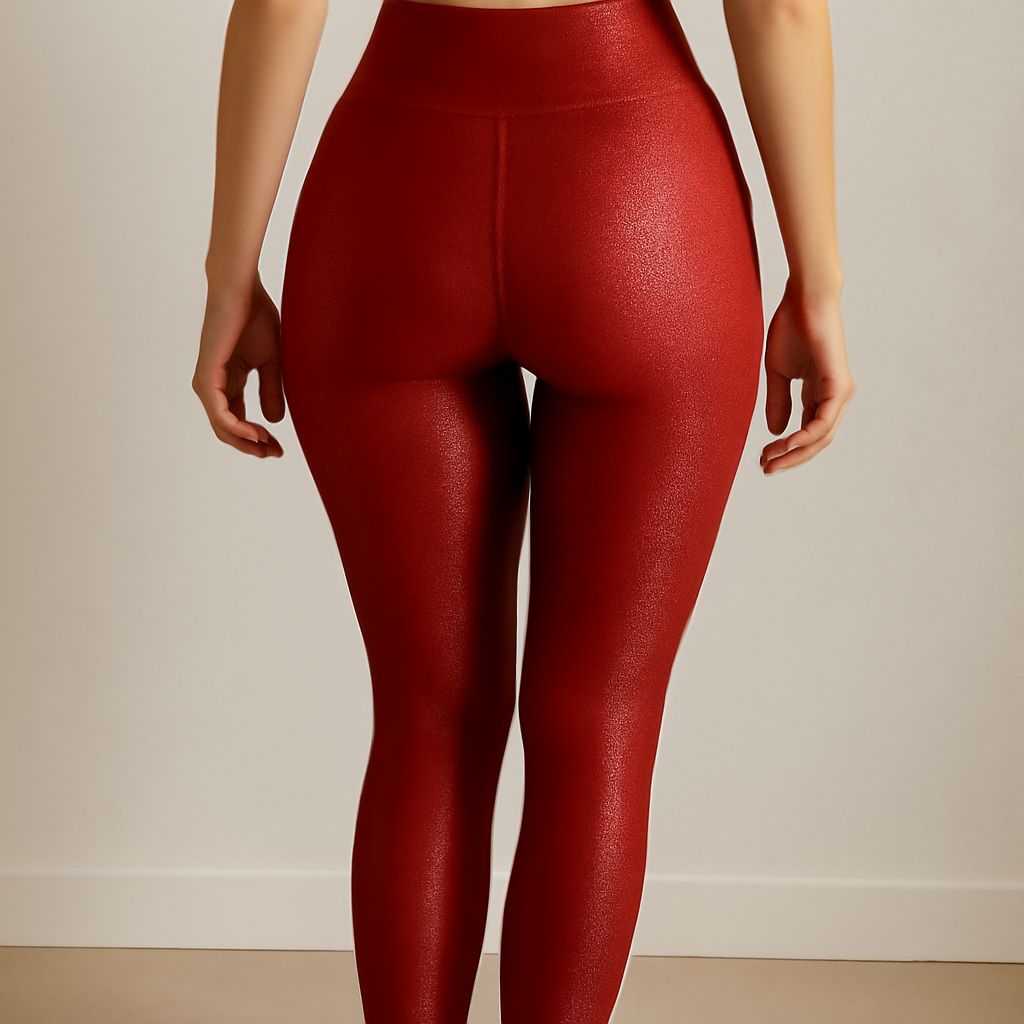
Shine and sparkle reflect light in different ways. Shiny tights usually have a smooth, continuous sheen created by the fiber, knit structure, or surface finish. The entire leg may look glossy as it catches light, even when the fabric contains no glitter or decorative pieces.
Sparkle tights create more distinct points of reflection. Manufacturers may weave metallic yarn into the fabric, print glitter onto the surface, or add foil, rhinestones, or other embellishments. The result can range from a fine shimmer to an obvious glitter effect. Read the care instructions because surface treatments may dull, shed, or snag more easily than ordinary hosiery.
Neither finish automatically indicates warmth, compression, stretch, or durability. A glossy pair can feel thin and delicate, while a glittered pair can have a firm, supportive base. Evaluate fiber content, denier, waistband, and stretch separately from the visual finish.
For ballet, select the pair specified by your teacher, choreographer, or costume requirements. Shiny or glittering fabric can reflect stage lights unpredictably and distract from clean lines. Decorative tights should complement performance styling only when the production explicitly allows them; they should not replace performance-specific ballet tights.
How to style fun tights
Use decorative tights as the outfit’s focal point. Pair a bold color or pattern with simple pieces, such as a black knit dress, oversized sweater, denim skirt, or tailored shorts. This keeps the look intentional instead of making every item compete for attention.
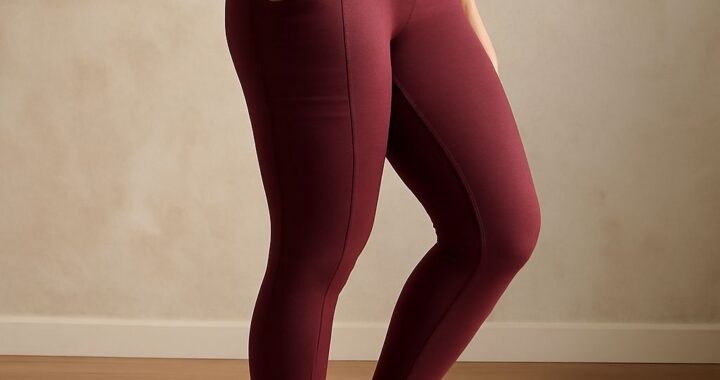
- For everyday outfits: Wear opaque colored tights with a neutral skirt, ankle boots, and a plain top. Burgundy, forest green, or cobalt adds interest without overwhelming the outfit.
- For subtle shine: Match lightly glossy tights with a matte dress or wool skirt. The contrast lets the finish show without creating a head-to-toe reflective look.
- For occasion dressing: Pair fine sparkle with a simple black, navy, or jewel-tone outfit. Keep jewelry restrained if the tights include metallic threads or visible glitter.
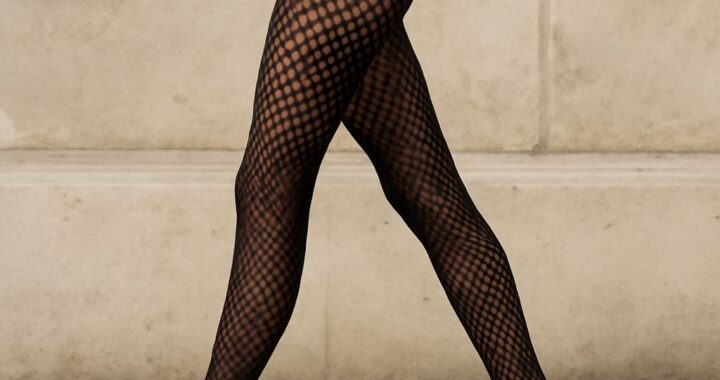
- For playful styling: Try dots, stripes, hearts, or color-blocked fun tights with loafers, Mary Janes, or clean sneakers. Echo one shade from the tights in your top or accessories.
Check the setting before choosing a decorative pair. Sheer styles may suit a dinner or party but offer less coverage for daily wear. Glitter, openwork, and raised details can catch on rough furniture or shoes, so wear them with smooth-lined garments and inspect them after the first use.
When movement, repeated washing, and dress-code compliance come first, choose performance construction. When comfort under clothing is your priority, consider seamless hosiery after checking its actual seams and fit. When the goal is visual impact, select shiny, sparkle, or patterned styles according to the outfit and occasion.