Start with a balanced shade, then move warmer, cooler, lighter, or deeper based on your undertone and contrast. The best red for fair skin depends on more than the label on the tube: compare the red’s undertone, depth, saturation, and finish against your complexion.
Ruby red lipstick is a useful starting point because it usually looks vivid, polished, and jewel-toned without leaning strongly orange. From there, you can identify whether a true red, warm red, or blue-based red creates the most balanced effect.
Ruby Red Lipstick: The True-Red Starting Point
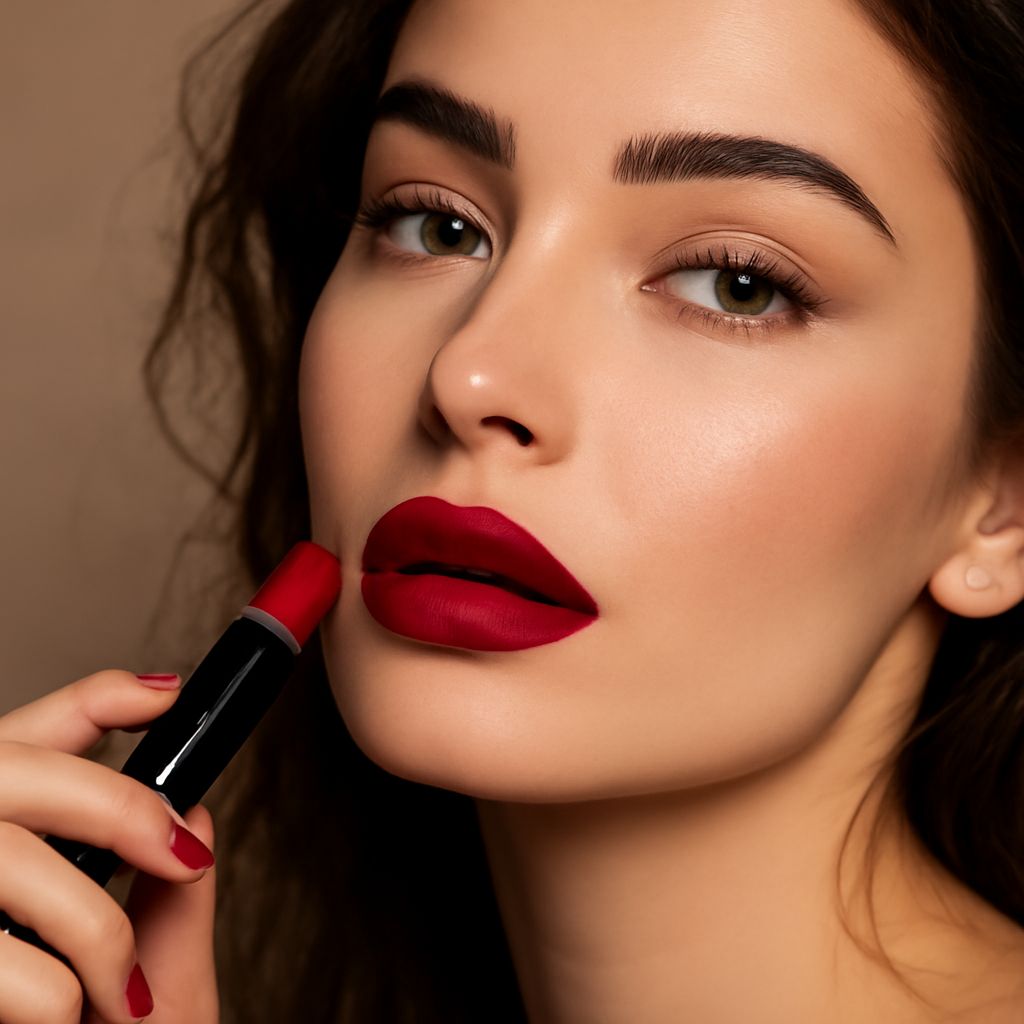
A true red lipstick has a balanced red base. It does not look distinctly orange, coral, berry, or purple when you view it on a white surface. On your lips, it should read as a clean, classic red rather than a visibly warm or cool variation.
Ruby reds sit close to true reds but often appear slightly deeper, brighter, or more jewel-toned. Some lean cool, while others stay nearly neutral, so the name alone cannot identify the undertone. Check the color itself instead of relying on “ruby,” “classic,” or “iconic” on the packaging.
Use three details to assess the starting shade:
- Undertone: Does the red pull orange, blue, pink, or neutral?
- Depth: Does it look light and clear, medium and vivid, or deep and wine-like?
- Contrast: Does the shade create a deliberate definition, or does it overpower your coloring?
A medium-depth ruby or balanced red often gives fair skin noticeable definition. If your coloring is delicate or low contrast, a sheer or satin version may look more harmonious than a dense matte formula.
True Red Lipstick: Compare Warm, Cool, and Ruby Reds
Warm reds contain yellow, orange, or golden pigment. A warm red lipstick can resemble tomato, poppy, chili, terracotta, or brick. It tends to make golden, peach, olive, or warm-neutral skin look more even. On very pink or cool skin, an orange-leaning red may emphasize surface redness, though a softened tomato shade can still work.
Cool reds contain blue, pink, or violet pigment. They often look cranberry, raspberry, cherry, or wine-toned. Cool reds can make cool and neutral complexions appear clearer, especially when the shade has enough saturation to create crisp contrast.
Ruby reds bridge the two groups. They usually look richer than a bright tomato red and less purple than a berry shade. Choose ruby when you want a classic statement with a slightly luxurious, jewel-like depth.
True red is the most visually balanced option, but balanced does not mean universally flattering. A clear true red may suit fair skin with neutral undertones, while a deeper true red may better suit high-contrast coloring. If your complexion has golden undertones, compare the true red with a tomato or poppy version before deciding.
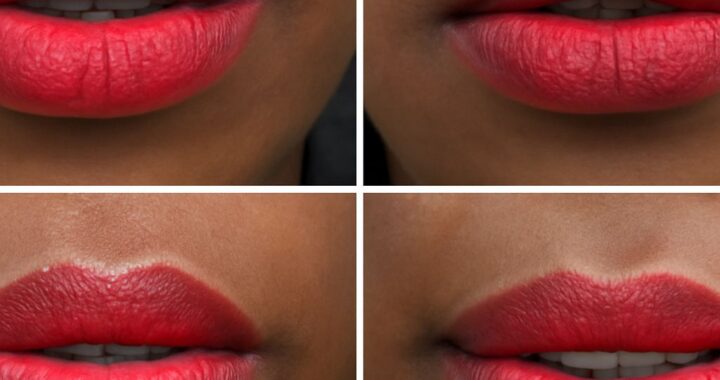
To compare shades fairly, hold them beside one another in daylight. The warm red will reveal orange or yellow; the cool red will reveal pink, blue, or violet; and the ruby shade will usually look deeper and more saturated.
Red Lipstick With Blue Undertones: Understand the Cool Shift
Red lipstick with blue undertones reflects less orange and more pink, violet, or berry. That cool shift can make the teeth appear brighter and create a sharp, elegant contrast against fair skin. However, a strongly blue-based red may look purple or dramatic if you prefer a softer makeup effect.
Look at the shade beside a neutral white tissue or a plain gray surface. If the red appears cleaner and pinker rather than warmer, it is probably blue-based. Test it on your lips as well, because your natural lip pigment can make the same formula look warmer, darker, or more berry-toned.
For fair skin, match the blue-based red to your overall coloring:
- Choose a clear cherry or cool ruby for a bright, high-contrast look.
- Choose a raspberry red if you want a softer, pinker effect.
- Choose a deeper cranberry red when your hair, brows, or eyes create strong contrast.
Do not use visible veins as your only undertone test. Skin can have a neutral or olive balance, and surface redness can distort the result. Compare several families instead.
Choosing Red Lipstick for Fair Skin: Swatch, Wear-Test, and Adjust the Finish
When choosing red lipstick for fair skin, test undertone and contrast together. Fair skin can be cool, warm, neutral, or olive, and it can have either low or high contrast with the rest of your features.
- Begin with three families. Select one balanced true red, one warm red, and one cool or blue-based red. Add a ruby shade if you want more depth.
- Swatch in a wide stripe. Apply each color to clean skin along your jaw or lower cheek, not only to your hand. Use enough product to see its real saturation.
- Check indirect daylight. Step near a window and compare the shades without a strong yellow or blue light. Notice which color makes your skin look clearer and which emphasizes pinkness, sallowness, or shadows.
- Test your lips. Apply the two best shades over bare lips. Wait 10 to 15 minutes, because warmth and natural lip color can change the appearance.
- Wear the finalists. Keep each shade on for at least two hours. Check it after drinking, speaking, and seeing it in indoor and outdoor light.
Use contrast to refine the choice. If your hair and eyes create strong definition against fair skin, a saturated ruby, cherry, or blue-based red may look intentional. If your features blend softly, try a medium-depth tomato, rose-red, or sheer ruby instead of the darkest formula.
Finish changes the result. Matte lipstick looks denser and increases contrast; satin keeps the color vivid but more forgiving; gloss makes the shade appear lighter and more transparent. A matching liner sharpens the edges and deepens the color. A neutral red liner can balance a slightly warm or cool formula, while a warm liner nudges a cool red toward tomato. Apply balm first only if you want to sheer the color, then blot before judging the final shade.