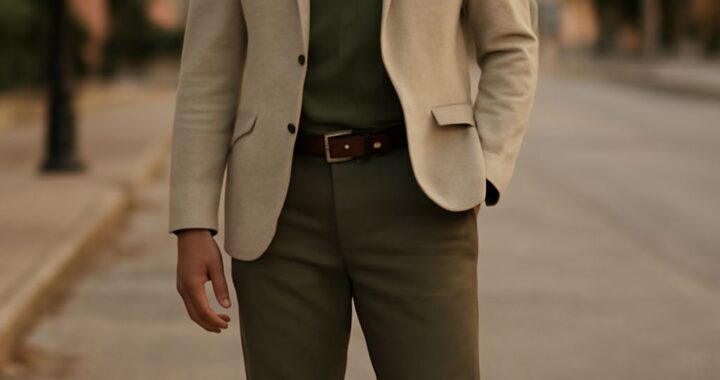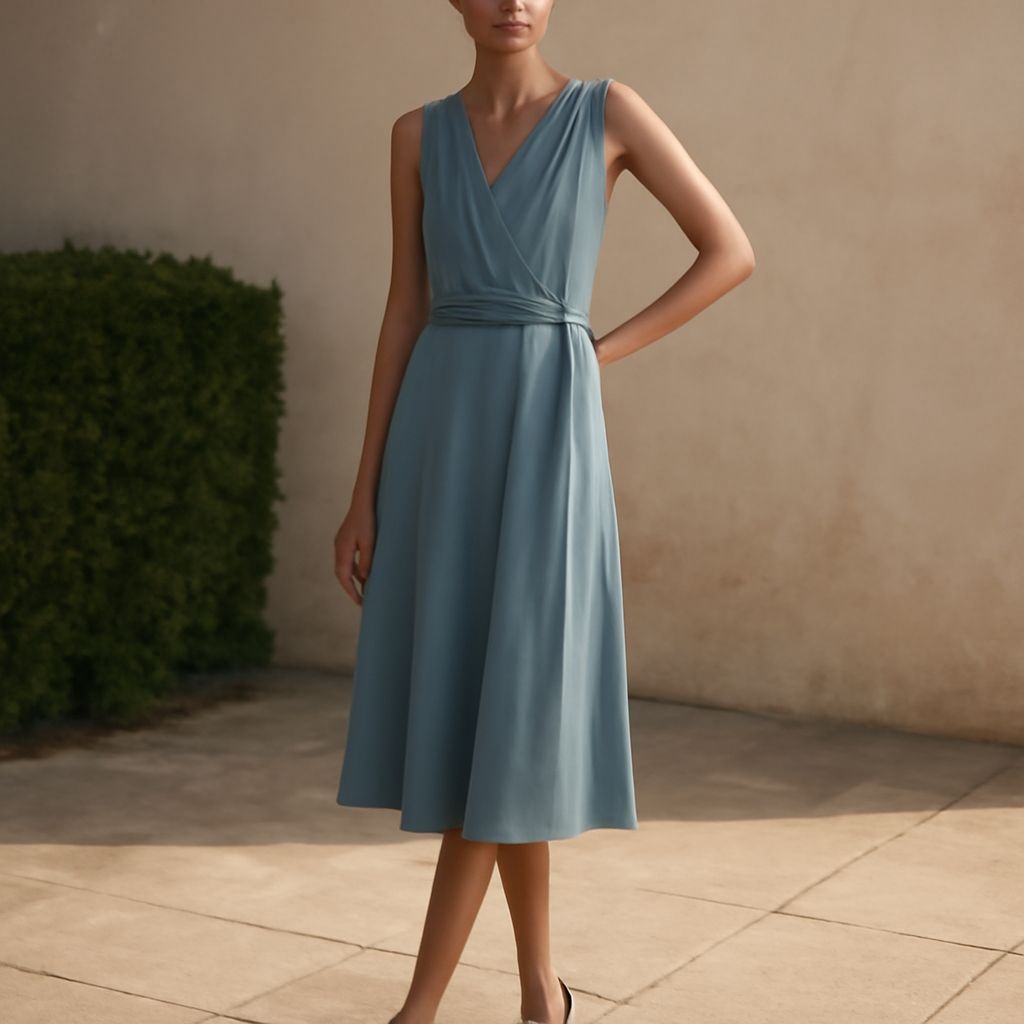
Use precise wedding dress code wording to tell guests exactly how formal their clothes should be. For women, semi-formal women’s attire means polished daytime-to-evening dressing, while a black-tie dress code for a wedding calls for a distinctly elevated look.
Name the level directly instead of relying on vague phrases such as “dressy” or “nice.” Put the same guidance on your wedding website, where you can explain venue or weather details without crowding the invitation.
Wedding Dress Code Wording: Put the Exact Level on the Invitation
Guests should not infer expectations from your venue or personal style. State the level in one short line near the reception details, so “semi-formal” and “black tie” do not become interchangeable.
- Dress code: Semi-formal. Choose polished, dressy clothing.
- Dress code: Black tie. Formal evening attire is requested.
- Dress code: Black tie optional. Tuxedos and gowns are welcome, but formal alternatives are acceptable.
Use “black tie optional” only when you genuinely welcome a slightly less formal alternative.
Semi-Formal Women’s Attire: Wording Example and Outfit Expectations
Invitation wording: “Dress code: Semi-formal. Please choose a polished dress, jumpsuit, or tailored separates.”
Semi-formal sits above casual cocktail dressing but below black tie. You can adjust your outfit to the time of day and setting.
- Length: Choose a knee-length, midi, or tasteful tea-length dress. A tailored jumpsuit also works.
- Fabric: Look for crepe, chiffon, silk, satin, or refined lace. Lighter colors suit daytime events; deeper tones work well at night.
- Footwear: Wear block heels, pumps, dressy sandals, or polished flats. Consider the venue’s surface and season.
- Accessories: Add a small handbag and intentional jewelry. Keep the effect elegant rather than gala-level.
For an outdoor wedding, semi-formal still calls for a finished outfit; it does not mean sundress-and-flip-flop casual.
Black-Tie Dress Code for a Wedding: Wording Example and Women’s Attire
Invitation wording: “Dress code: Black tie. Floor-length gowns, elegant formal dresses, and dressy jumpsuits are welcome.”
This dress code sets a distinctly formal standard. You should look more polished and ceremonial than you would for a semi-formal celebration.
- Length: Select a floor-length gown when possible. A sophisticated formal midi or full-length jumpsuit can work when flexibility is intended.
- Fabric: Choose silk, velvet, satin, chiffon, or another luxurious fabric. Avoid jersey, casual cotton, and sundress styling.
- Footwear: Wear refined heels, embellished flats, or sleek formal sandals. Choose comfort without letting a casual shoe dominate.
- Accessories: Carry a clutch and add elevated jewelry, such as earrings, a bracelet, or a restrained statement piece.
Black is classic, but jewel tones, metallics, and rich neutrals also suit the occasion. You do not need a black dress.
Venue, Weather, and Cultural Details That Clarify the Code
Use the invitation for the dress-code label and one supporting sentence for practical details.
- Venue: Name a garden, beach, ballroom, or barn when it affects footwear, layers, or hem lengths.
- Weather: Add “outdoor ceremony,” “bring a wrap,” or “tented reception” when guests need to plan for temperature or rain.
- Timing: Daytime semi-formal weddings can feel lighter; evening black-tie events support richer fabrics and dramatic accessories.
- Cultural or religious details: State requirements such as covered shoulders, longer hemlines, or head coverings plainly and respectfully.
Keep logistics brief: “Ceremony on grass; block heels recommended” or “Please bring a shawl for the evening.” Put parking, weather updates, and extended styling notes on your wedding website.