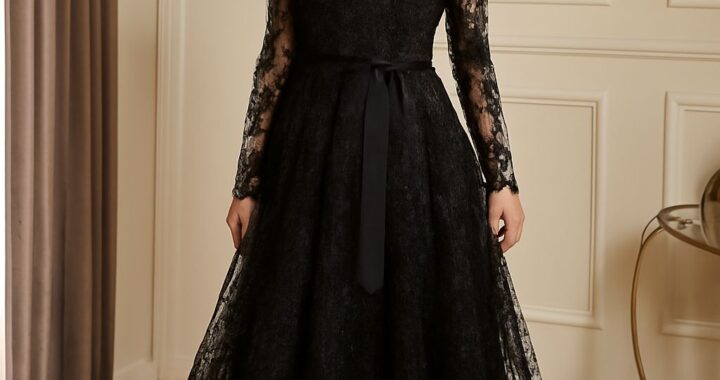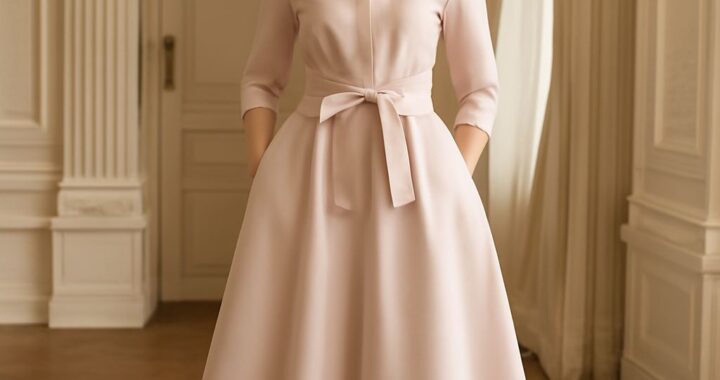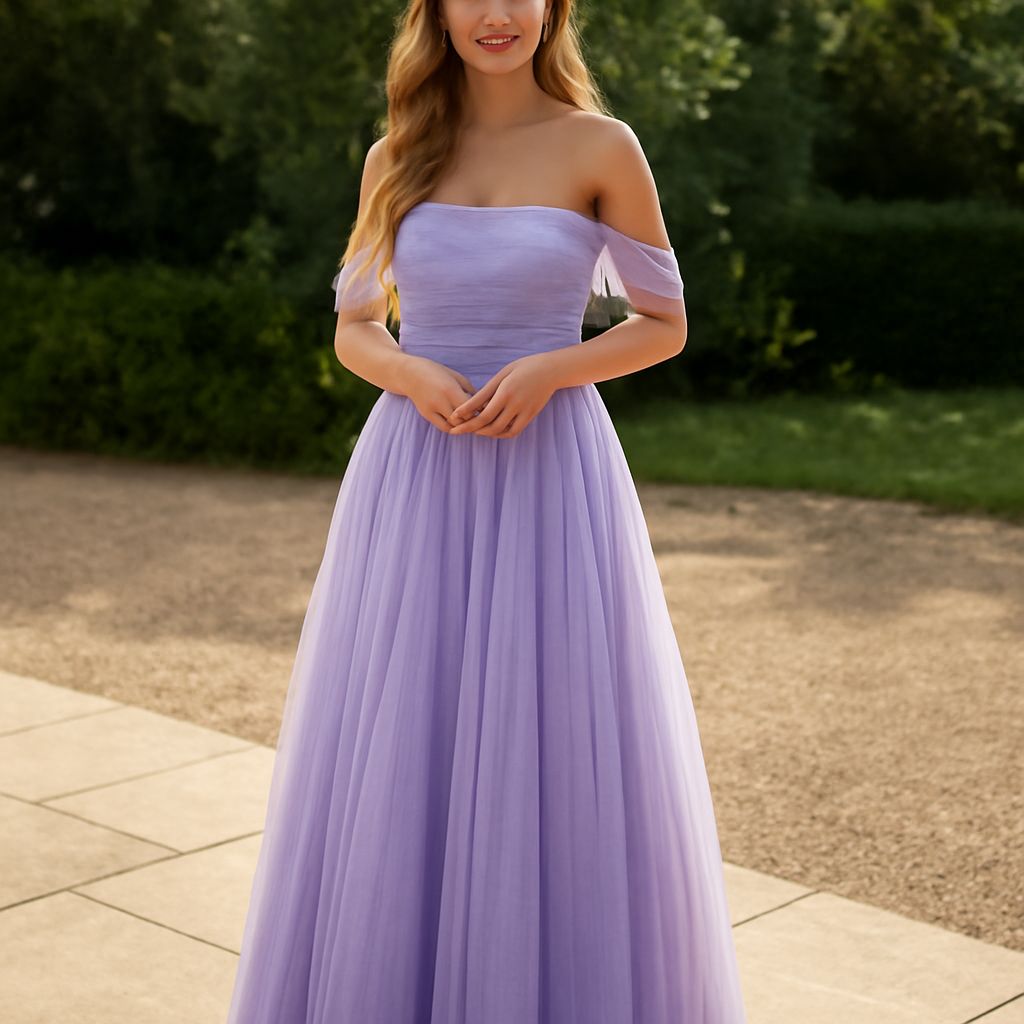
Choose cheap evening gowns by total value, not the lowest price tag. The strongest option fits your shoulders and bust, suits the dress code, moves comfortably, and needs only minor adjustments.
Compare inexpensive evening gowns across six points: silhouette, fabric, lining, construction, finishing, and alteration cost. A polished fit and restrained styling can make a modestly priced gown look considerably more expensive.
How to Judge Cheap Evening Gowns by Event, Silhouette, and Movement
Start with the event. A floor-length gown suits black-tie settings, while a midi or streamlined column dress may work better for cocktail attire. Consider the venue, season, time of day, and whether you will sit, dance, walk stairs, or wear a coat.
Then identify your easiest-to-fit silhouette. An A-line shape generally allows more room through the hips, while a column or mermaid gown demands closer measurements. Empire waists can accommodate a less precise waist fit, but shoulder and bust placement still matter.
- Check the shoulders and bust first. The armholes should not pull, gape, or restrict your breathing.
- Test movement. Sit, raise your arms, take several steps, and rotate your body before deciding.
- Assess the waist and hips. Smooth fabric should skim rather than create horizontal strain lines.
- Confirm the hem. Wear the shoes you expect to use, or bring a similar heel height.
Fabrics and Finishes That Keep Inexpensive Evening Gowns Polished
Look for fabrics with enough weight to hang smoothly. Crepe, matte satin, velvet, and lined chiffon can look refined at accessible prices. A soft drape usually appears more elegant than stiff fabric that catches sharply at every seam.
Inspect the surface under bright light. Excessive shine, uneven dye, loose threads, pilling, and visible puckering can make discount evening gowns look poorly finished. Check beading and lace for secure attachment, especially around the neckline, waist, and side seams.
A full lining improves opacity, comfort, and drape. It should lie flat without twisting or extending below the outer layer. If the gown is unlined, confirm that it does not cling, reveal seams, or require an additional slip.
Construction Checklist: Inspect the Lining, Closures, and Seams
Turn the gown inside out and inspect it before removing tags. Construction problems often cost more to correct than a slightly higher purchase price.
- Lining: Look for smooth attachment, clean edges, and enough ease for movement.
- Seams: Check that stitching is straight, secure, and free from skipped sections or pulled fabric.
- Closures: Zip the gown several times. The zipper should move without catching, and hooks should close securely.
- Structure: Feel for stable waist seams, properly placed cups, and boning that does not poke.
- Movement: Confirm that slits, stretch panels, or back vents provide the mobility you need.
Loose threads and a slightly long hem are usually easy fixes. Replacing a zipper, rebuilding bust support, correcting twisted lining, or reshaping shoulders can erase the original savings. Major alterations are especially risky on gowns with beading, boning, or delicate chiffon.
Budgeting for Discount Evening Gowns, Alterations, and Accessories
Set an all-in budget before shopping: gown, tailoring, shoes, undergarments, and jewelry. Reserve roughly 15 to 30 percent of the gown price for simple alterations, then ask a tailor for an estimate if the dress needs structural work.
Prioritize a clean hem, secure straps, and a smooth waist over dramatic embellishment. Choose neutral shoes and one or two restrained accessories, such as understated earrings and a small clutch. Good fit, tidy hair, and coordinated shoes often elevate inexpensive evening gowns more effectively than extra sparkle.