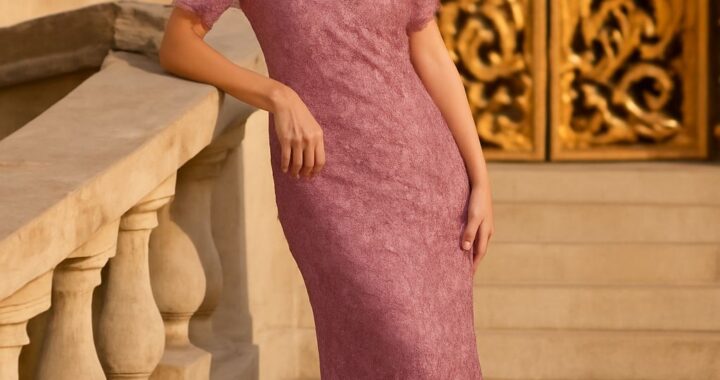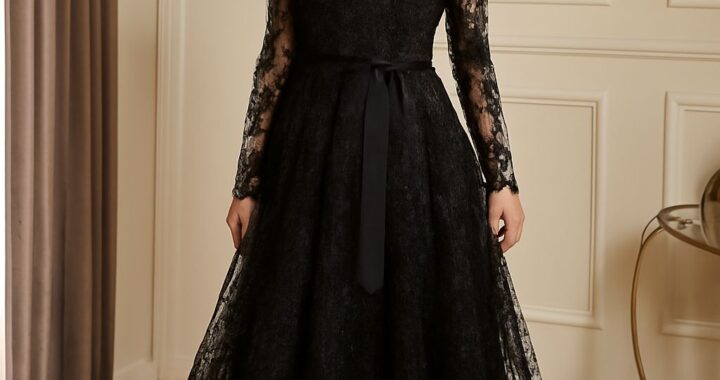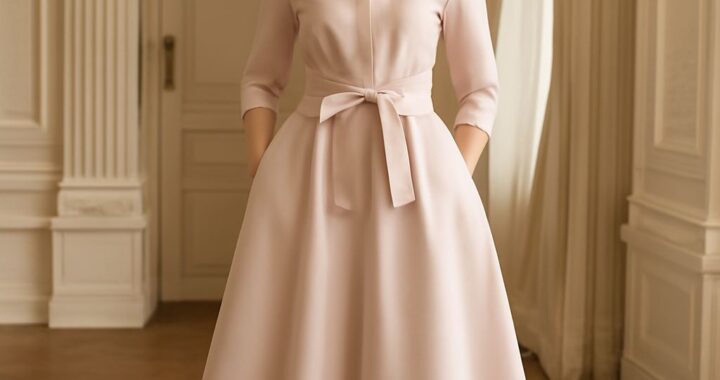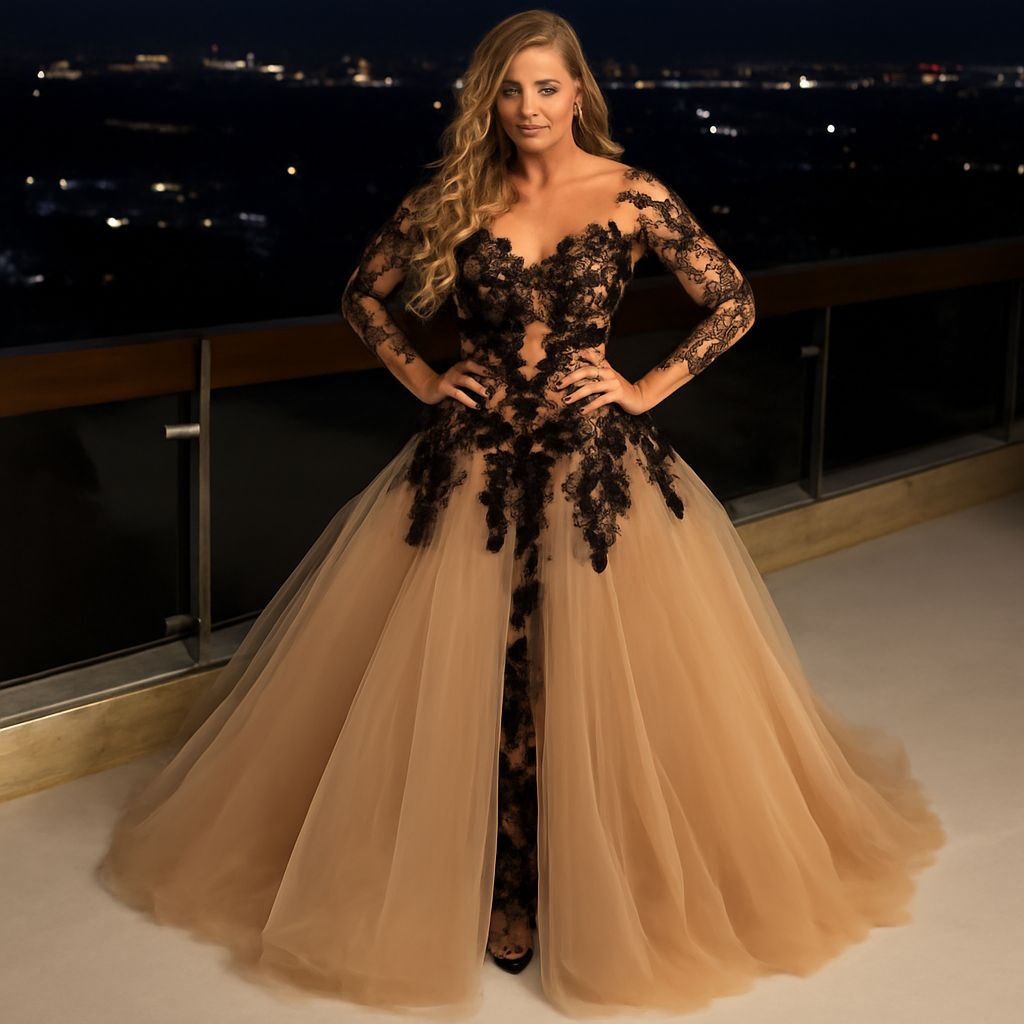
For most galas, choose a floor-length dress with refined fabric, a controlled silhouette, and sleeves that let you move comfortably. The best gala dresses look formal without restricting your arms, overheating you, or overwhelming your proportions.
Use the invitation as your final guide. Then evaluate the neckline, sleeve construction, fabric weight, hem, and accessories together. A polished evening look should feel intentional from every angle, including when you sit, walk, and greet guests.
Gala Dresses and the Formality Spectrum
Gala, formal, and evening dress expectations overlap, but they do not mean exactly the same thing. “Gala” often signals a high-formality celebration, fundraiser, or awards event. A floor-length gown, elegant fabric, and dressy accessories usually make the safest choice.
“Formal” describes the level of polish, while “evening” describes the time and setting. Formal evening wear can include a sophisticated midi dress when the invitation allows it, but a gala generally calls for greater length and refinement. If the dress code says black tie, select a gown or a notably elevated floor-length style. If it says formal or cocktail, you have more flexibility with hemline and structure.
How Evening Dresses Fit a Gala Dress Code
Think of evening dresses as a broad category. They can range from sleek sheath dresses to fluid gowns, while a gala dress usually occupies the most formal end of that range. Long sleeves add coverage and visual polish, making them especially effective for cooler venues or conservative dress codes.
For a reliable choice, pair a floor-length hem with one refined feature: a sculpted shoulder, open back, subtle draping, or restrained embellishment. Avoid combining several dramatic details unless the event clearly encourages statement dressing. A simple gown in velvet, satin, crepe, or silk can look more formal than a heavily decorated dress with a casual cut.
Choosing a Balanced Silhouette for Long Sleeve Formal Dresses
Long sleeve formal dresses work best when the sleeve and skirt create visual balance. A fitted sleeve suits an A-line or softly flared skirt because the narrow upper arm keeps the overall shape streamlined. A bishop or blouson sleeve adds volume, so pair it with a column, slip, or gently fitted skirt.
Consider your movement as carefully as your proportions. Stretch velvet, jersey, or a stretch crepe sleeve can follow your arm without pulling at the elbow. A structured satin or mikado sleeve looks crisp but may need a pleat, vent, or roomier cut for comfortable bending. Raglan and dolman sleeves typically offer more mobility than a tightly set-in sleeve.
Also check the sleeve opening. A narrow cuff can feel restrictive when you wear a bracelet or carry a small bag. A slit cuff, covered button, or softly elasticized opening adds ease without making the dress look casual. If the sleeve is sheer, confirm that its lining or underlayer does not twist as you move.
Fabrics, Lining, Accessories, and the Final Try-On
Fabric weight affects both comfort and proportion. Velvet and lined crepe provide warmth and structure, while silk, satin, and lightweight chiffon feel more fluid. Heavy fabric can make a full sleeve and gathered skirt look bulky; a lighter fabric can soften that combination. A smooth lining helps the dress glide over hosiery and prevents sleeves from catching on your skin.
Keep accessories aligned with the dress’s strongest detail. Add crystal earrings to a minimalist gown, or choose understated jewelry when the neckline or sleeves already provide emphasis. A satin clutch and pointed heels reinforce formality. For an outer layer, select a tailored wrap, cropped evening coat, or sleek stole rather than a bulky everyday jacket.
Before the event, complete this try-on checklist:
- Movement: Raise both arms, bend your elbows, sit, and walk several steps. The sleeves and back should stay comfortable without pulling.
- Hem: Confirm the length with your actual shoes. You should clear the floor without creating a dangerous gap.
- Closure: Test every zipper, hook, button, and cuff. Make sure you can manage them without assistance if needed.
- Styling: Carry your intended bag, wear your jewelry, and try the planned outer layer. Nothing should snag, compete, or conceal the dress’s proportions.