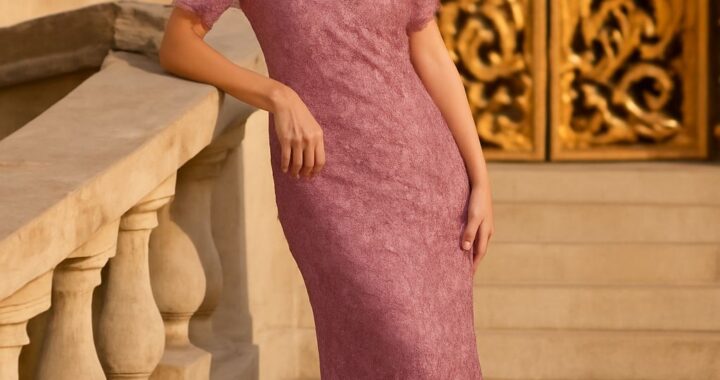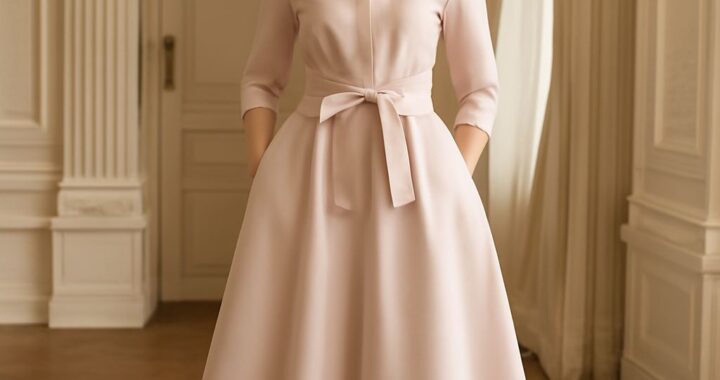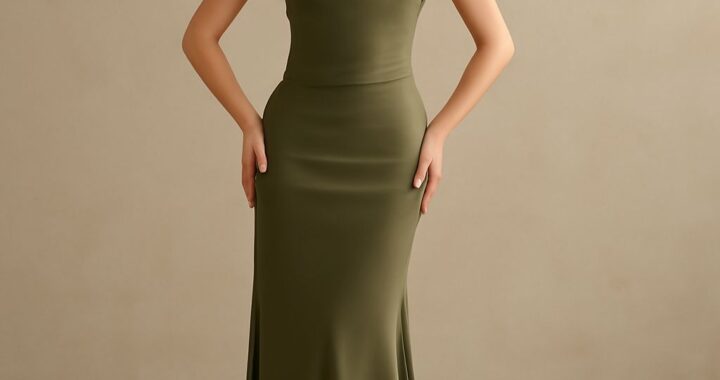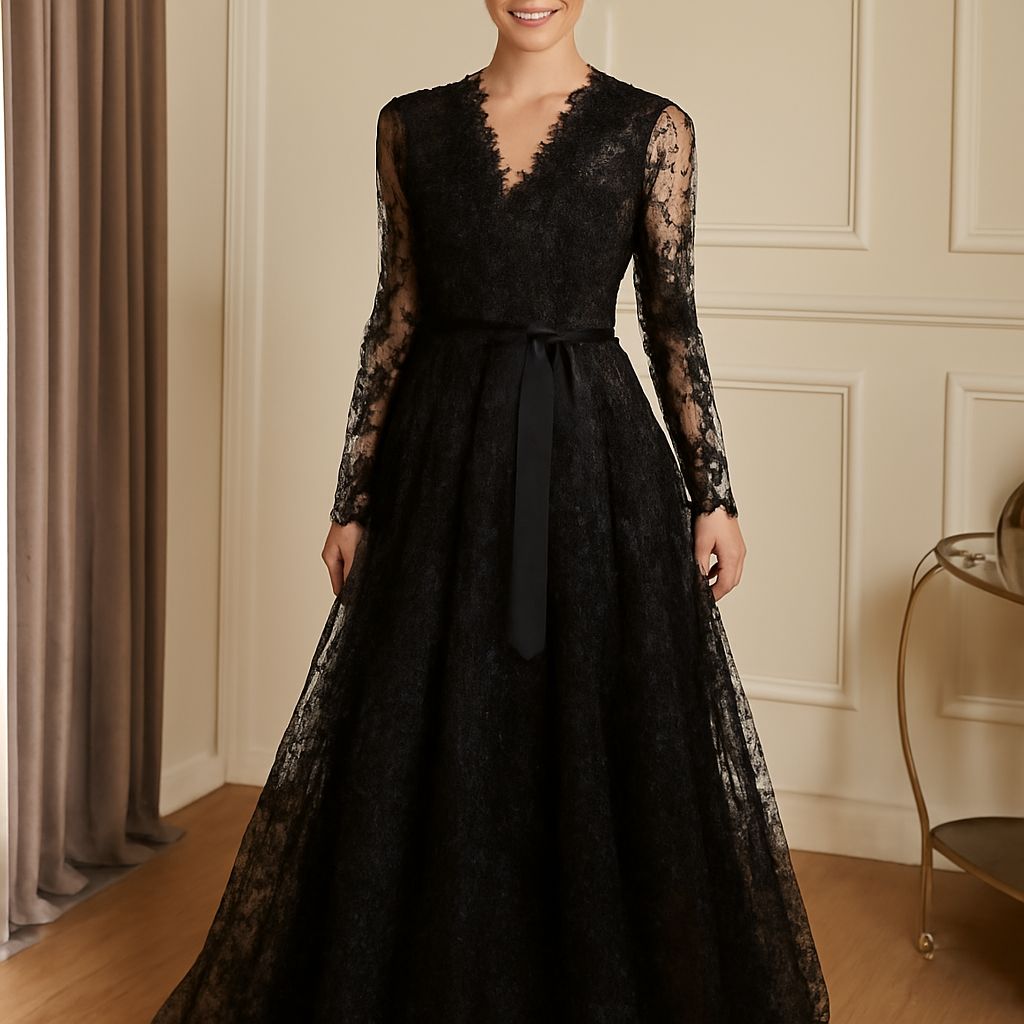
Choose gowns with sleeves by judging construction, not price alone. The best affordable floor-length styles balance a secure bodice, comfortable sleeve movement, a clean hem, and fabric that holds its shape.
When comparing inexpensive formal dresses, start with the event’s dress code. Then assess how the sleeve cut, bodice fit, and skirt length work together on your body. A polished silhouette should look intentional while allowing you to sit, walk, and move comfortably.
Choose Gowns With Sleeves for the Right Level of Formality
For black-tie events, choose a full-length gown in a refined solid color, satin, crepe, velvet, or lined chiffon. Long sleeves can make a simple neckline look more formal, especially when the dress has a defined waist or subtle draping. For weddings, galas, and evening celebrations, jewel tones, deep neutrals, and restrained embellishment usually look more elevated than shiny decorations applied across the entire dress.
Use the event setting to guide sleeve coverage and detail:
- Formal evening: Try fitted sleeves, a high neckline, or a sleek column skirt.
- Romantic or festive: Consider sheer sleeves, soft ruching, or a flowing A-line skirt.
- Conservative venue: Choose opaque sleeves, a secure bodice, and a modest back or neckline.
Match a Long-Sleeve Floor-Length Dress to Fabric and Silhouette
A long-sleeve floor-length dress looks most refined when its fabric suits the silhouette. Crepe and heavier jersey skim the body and reduce wrinkling. Satin creates shine but reveals pulling, so check the seams and avoid a bodice that feels tight. Chiffon or mesh sleeves add softness, while a lining prevents transparency and keeps the fabric from clinging.
Look for a smooth, substantial lining in the bodice and skirt. It should extend close to the hem, feel comfortable against your skin, and stay aligned when you walk. An A-line skirt works well with fuller sleeves because it balances volume. A slim column or mermaid shape pairs better with fitted sleeves and a close-fitting bodice. Avoid combining a loose bodice, wide sleeves, and a very full skirt unless that deliberately dramatic shape suits the event.
Inspect Inexpensive Formal Dresses for Fit and Construction
Try the dress with the undergarments you plan to wear. The bodice should lie flat without gaping at the neckline, pulling across the bust, or creating horizontal wrinkles at the waist. Shoulder seams should sit at your shoulders, and sleeve seams should not twist toward the front or back.
- Check that the sleeve opening lets you bend your elbows without pinching.
- Look inside for even stitching, finished seams, secure closures, and a lining that does not bunch.
- Inspect the zipper, hooks, and waist seam; they should close smoothly without forcing the fabric.
- Walk several steps, sit in a chair, and check that the skirt does not ride up or snag under your shoes.
- Raise both arms, reach forward, and cross them to test sleeve mobility and bodice recovery.
- Wear the intended shoes, then confirm the hem barely clears the floor without exposing too much ankle.
Plan Alterations Before Buying
Affordable dresses become better values when a tailor can make straightforward adjustments. Prioritize styles with a defined waist, accessible side seams, and extra hem allowance. A tailor can usually shorten the skirt, adjust the waist, or narrow a sleeve more easily than they can reshape heavy beading, alter a complicated lining, or rebuild a fitted shoulder.
Budget for alterations before deciding whether the dress is inexpensive enough. If the shoulders fit but the hem is long, that is usually a practical fix. If the bodice pulls, the sleeves restrict your arms, and the neckline gaps, choose another dress rather than paying to correct several structural problems.