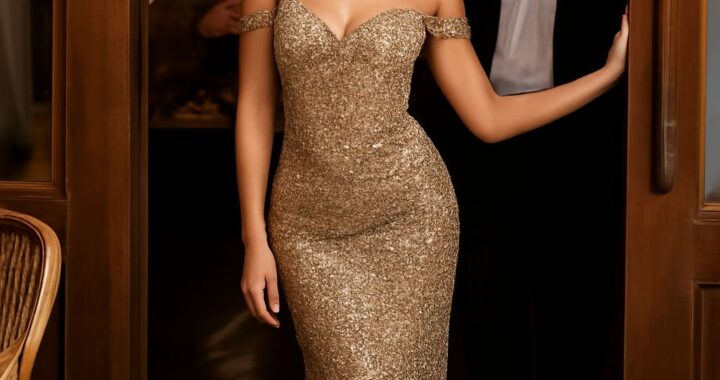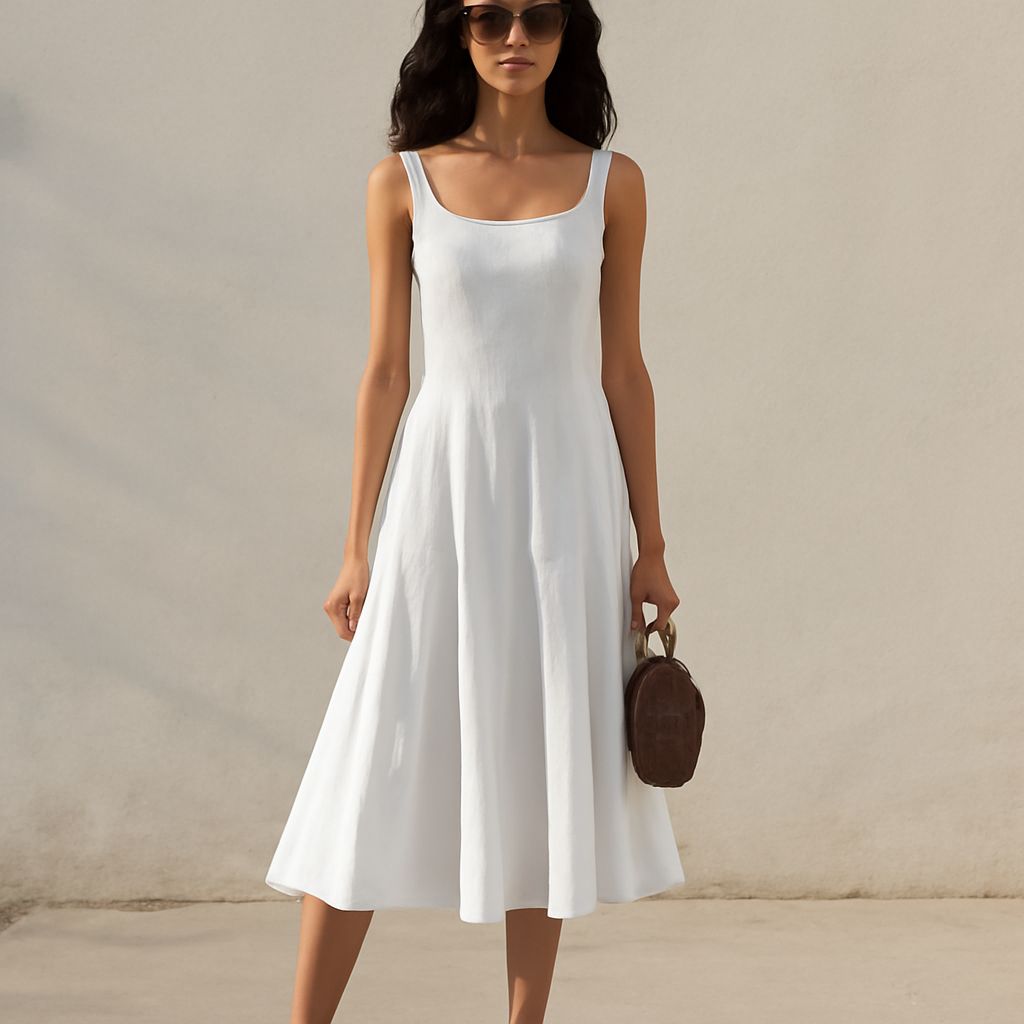
Classic shift dresses and A-line skirts offer two polished ways to build a professional wardrobe. A shift dress gives you a clean, streamlined column, while an A-line skirt defines your waist and widens toward the hem.
Choose the shift when you want simple dressing and a sleek silhouette. Choose the skirt when you want more waist definition, adjustable layering, or extra movement through the lower half.
What’s a Shift Dress? Structure and Classic Features
A shift dress hangs relatively straight from the shoulders or upper chest, with little shaping at the waist. It usually finishes around the knee or mid-calf and creates a smooth, uncluttered line over your body.
Classic shift dresses often include a sleeveless cut, a jewel or boat neckline, subtle bust darts, a back or side zipper, and a lightly structured fabric. Some styles add princess seams or a narrow belt, but the waist remains secondary to the overall column shape. The fit should skim rather than pull across your bust, hips, or seat.
This silhouette works well when you want a professional outfit with minimal styling decisions. Add a jacket or cardigan when you need more structure or coverage.
How A-line Skirts for Work Differ in Shape and Fit
A-line skirts for work fit closely at the natural waist and gradually flare toward the hem, creating an outline that resembles a capital A. They may use a flat waistband, darts, pleats, or a contoured yoke to shape the upper portion.
The flare gives your legs more room than a straight skirt, especially in a knee-length or midi design. Look for a waistband that lies flat without digging in, and choose a hem that hangs evenly. A-line skirts should skim your hips before opening outward; excess fabric at the waist can make the shape look bulky.
Unlike a shift dress, an A-line skirt separates the waist and lower body visually. That distinction lets you change the top, jacket, and proportions from one outfit to the next.
Choose by Waist Definition, Movement, Layering, and Formality
- Waist definition: Choose a shift for a relaxed, uninterrupted line. Choose an A-line skirt when you want a visible waist, either through its waistband or a tucked-in top.
- Movement: A shift allows comfortable movement through the hips but may feel narrower when you take long strides. An A-line skirt creates more room below the hips, particularly when cut with a fuller flare.
- Layering: A shift gives you one base layer under a blazer, cropped jacket, or cardigan. A skirt offers more combinations, including a tucked blouse, fine-gauge sweater, shell, or matching jacket.
- Formality: A tailored shift in crepe, wool blend, or ponte looks sleek and quietly formal. A-line skirts can look equally polished in suiting fabric; pleats, prints, and softer materials make them feel less traditional.
Build Complete Work Outfits with Each Silhouette
- Streamlined shift outfit: Start with a navy sleeveless shift dress in a lined wool blend. Add a gray single-breasted blazer, low leather pumps, a structured tote, and small silver earrings. Keep the accessories clean to support the dress’s simple shape.
- Layered shift outfit: Wear a charcoal shift with a white silk scarf or a fine-knit cardigan. Finish with almond-toe loafers, a slim watch, and a medium satchel. This combination suits offices that favor polished but approachable clothing.
- Classic A-line outfit: Pair a black knee-length A-line skirt with an ivory tucked blouse and a matching black belt. Add a cropped jacket, pointed flats, and a leather tote for a defined, traditional workwear silhouette.
- Comfort-focused A-line outfit: Choose a midi skirt in navy ponte with a tucked merino sweater. Add a longline blazer, low block heels, and simple stud earrings. The controlled flare provides movement while the blazer preserves a professional finish.