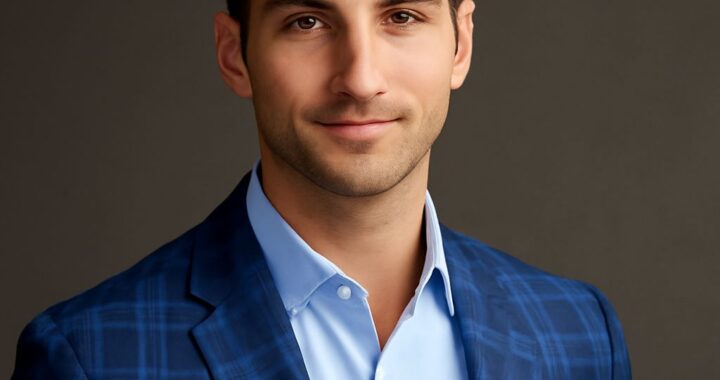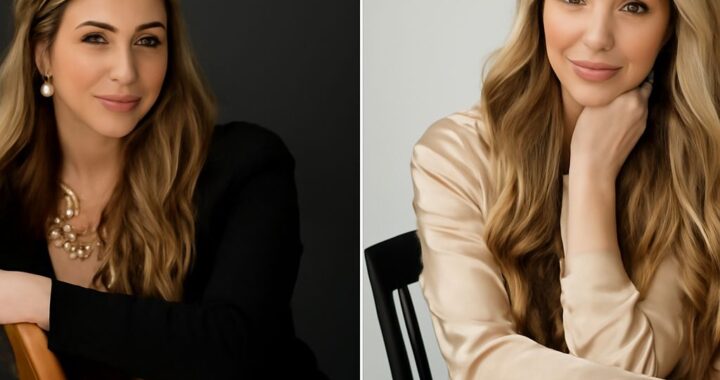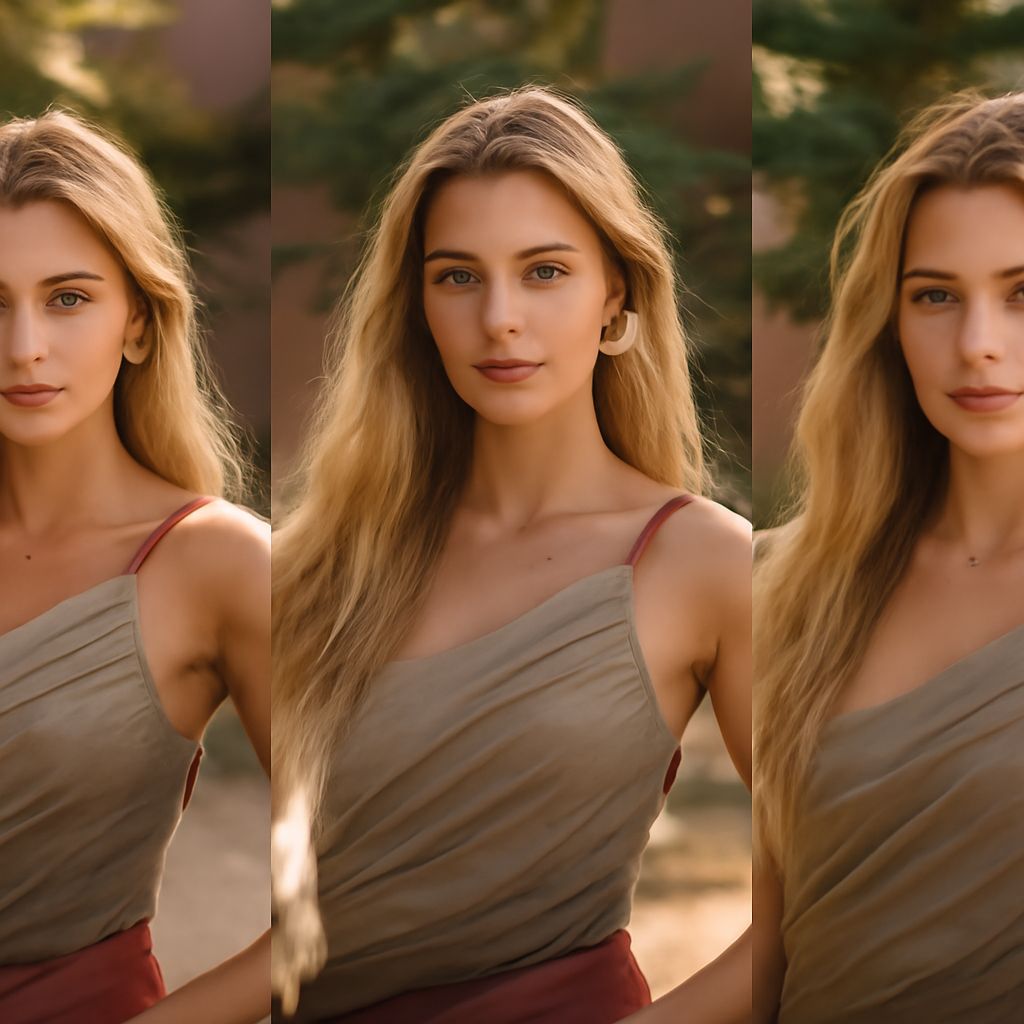
Effective headshot photos do more than record a flattering expression. For a glamour model, they should communicate polished styling, approachable confidence, and facial detail across agency submissions, casting profiles, portfolios, and professional websites. The strongest results come from matching preparation, pose, light, lens, and framing instead of relying on retouching alone.
Glamour modeling is controlled image-making, so you need a clear visual brief before the camera comes out. Decide whether the session should emphasize commercial warmth, beauty detail, editorial polish, or a versatile combination. That decision guides your wardrobe, makeup, posing, lighting, and final lens choice.
What Glamour Modeling Involves
Glamour modeling uses coordinated hair, makeup, wardrobe, expression, lighting, and composition to create a refined visual identity. It differs from a generic portrait session because every element supports a specific presentation. A casual portrait may capture personality spontaneously; a glamour session shapes that personality through deliberate styling and direction.
Your intended use determines the level of polish. Agency or casting images usually need clean styling and an unobstructed view of your face. Portfolio images can introduce stronger makeup, richer wardrobe, or more dramatic lighting. Both should remain professional, recognizable, and consistent with the type of work you want.
- Set the brief first: Identify the client, casting category, preferred mood, required crops, and delivery format.
- Build one coordinated look: Match clothing, hair, makeup, background, and light instead of letting one element overpower the face.
- Keep direction collaborative: The photographer should offer clear adjustments while you contribute feedback about comfort, movement, and your strongest angles.
Plan Headshot Photos That Show Range
Useful headshot photos show range without looking like unrelated sessions. Plan a small set of consistent images: a clean neutral expression, a friendly commercial expression, and one more confident or editorial option. Include close facial framing, a shoulders-up crop, and a three-quarter view when the brief allows it. Keep your eyes sharp, your skin tone accurate, and your features visible.
Prepare several days ahead. Confirm the mood board, test your makeup in similar lighting, and choose clothing without distracting logos, tiny patterns, or reflective details. Bring backup tops, a comb, blotting papers, lip color, and any simple accessories that support the brief. Avoid major hair or skincare changes immediately before the shoot.
- Face and hair: Keep hair controlled around the eyes, and use makeup that defines features without hiding natural skin texture.
- Wardrobe: Choose fitted, comfortable pieces in colors that separate you from the background. Bring options with different necklines.
- Expression: Practice relaxing your jaw, widening your eyes naturally, and shifting gradually between neutral, warm, and assertive moods.
- Briefing: Tell the photographer which images need a plain background, horizontal space, or a particular crop for placement.
Choose the Best Lens for Portrait Photography
The best lens for portrait photography depends on your camera format, studio space, desired crop, and working distance. On a full-frame camera, 85mm is a dependable starting point for glamour headshots because it offers flattering perspective without forcing you far from the subject. A fast 85mm prime also provides strong subject separation and useful low-light performance.
When comparing the best lenses for portraits, remember that distance controls perspective more than focal length alone. Move too close with a wide lens and the nose and forehead appear enlarged. Step back with a longer lens and facial proportions look more compressed, while the background appears closer. Longer lenses need more room, so match the lens to the studio as well as the look.
- 35mm: Use it for environmental portraits or a wider fashion composition. It includes more background, but close headshots can exaggerate facial features.
- 50mm: This gives a natural, flexible view for half-body and shoulders-up framing. Maintain a comfortable distance rather than crowding the subject.
- 85mm: This is often the most versatile headshot choice. It supports flattering perspective, moderate working distance, and attractive background blur.
- 105mm or 135mm: Choose these when you have space and want tighter framing, smoother compression, and a quieter background. They require more distance for the same crop.
On an APS-C camera, multiply the focal length by the crop factor when comparing framing. A 50mm lens may frame similarly to a 75mm or 80mm lens on full frame, depending on the camera. Test the actual combination before the session, because autofocus, aperture, background distance, and room layout also affect the result.
Coordinate Pose, Framing, Light, and Final Selection
Begin with posture, then refine smaller movements. Ask the model to lengthen the spine, lower the shoulders, and angle the body slightly away from the camera. Small changes to chin height and head tilt can alter the jawline and eye contact. Keep the pose repeatable enough to produce several consistent frames, but allow natural breathing and subtle expression changes.
Light should reveal the face without flattening its structure. A large soft source near the camera produces gentle skin transitions and forgiving shadows. Moving it to the side creates more definition, while a reflector can open the shadow under the chin. Watch catchlights, glasses reflections, shiny skin, and hair highlights as you adjust the light. The lens, distance, and background must work with that setup rather than fight it.
- Check framing: Keep the eyes near a consistent level, avoid awkward cuts through joints, and leave intentional space when the image will include text or a profile layout.
- Review at full size: Inspect focus on the nearer eye, stray hairs, makeup edges, clothing folds, and distracting background details before changing setups.
- Select for usefulness: Deliver a small, varied set with consistent color and retouching. Choose images that remain recognizable, sharp, professionally styled, and appropriate for the intended casting or portfolio use.