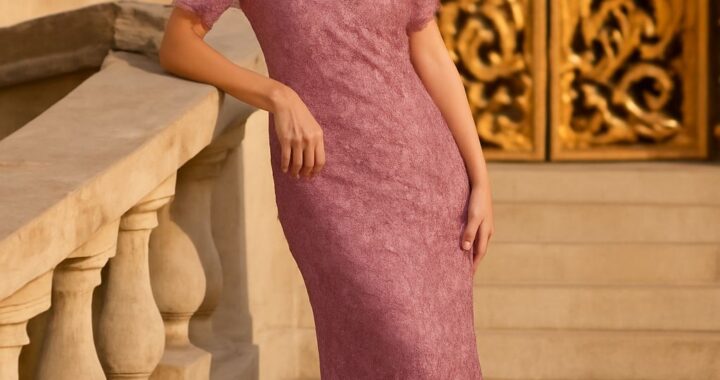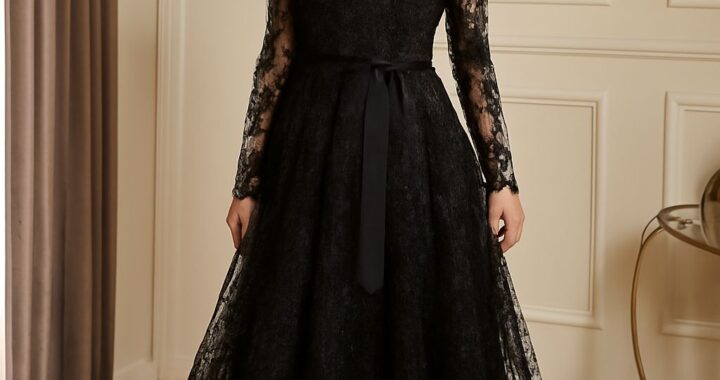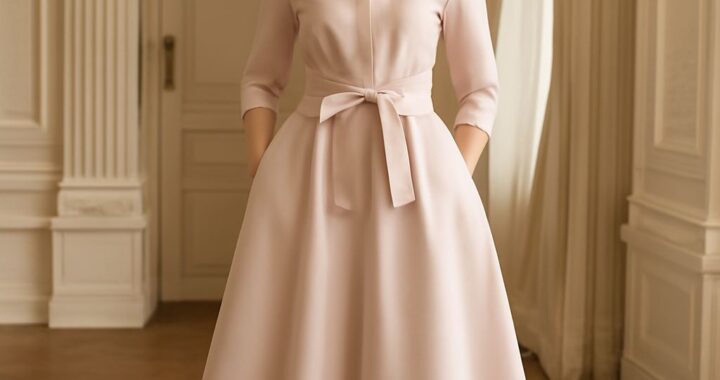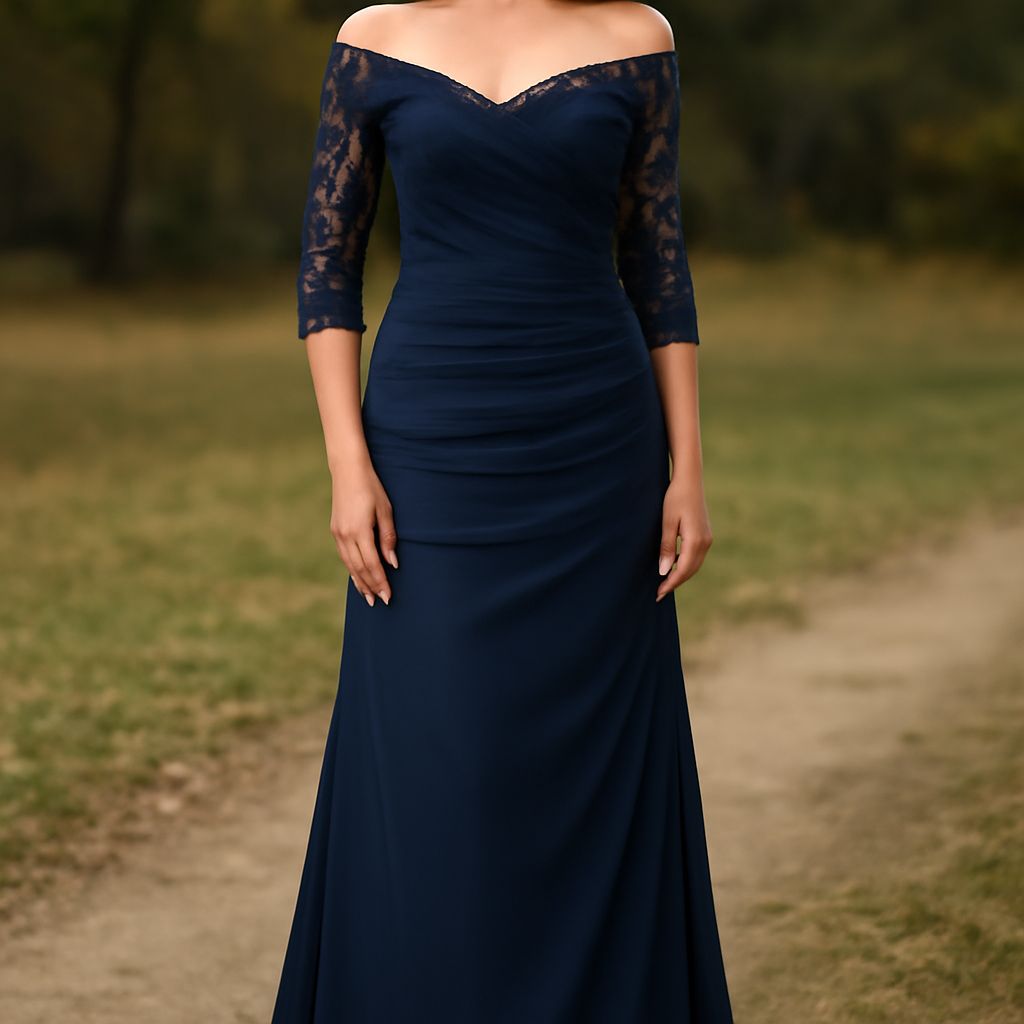
Choose your gown in this order: confirm the dress code, select a silhouette, check proportion and movement, then finish with color and accessories. This sequence helps you find a polished look without sacrificing comfort.
Whether you are comparing elegant formal dresses, petite evening gowns, or a formal dress with sleeves, the best choice should suit the event and your proportions. A blue gown can work beautifully across several dress codes when its fabric, length, and styling match the occasion.
Black tie gowns: Match the gown to the event’s formality
Read the invitation before choosing a silhouette. “Evening,” “formal,” and “black tie” overlap, but they do not set identical expectations.
- Evening attire: You have the most flexibility. A refined midi or floor-length gown can work, especially in satin, velvet, crepe, or chiffon.
- Formal attire: A floor-length dress usually feels safest. A structured, dressy midi may suit some venues, but avoid casual fabrics, daytime prints, and informal accessories.
- Black tie: Choose a polished, floor-skimming gown with an elevated finish. Rich fabric, intentional tailoring, and restrained jewelry matter more than excessive decoration.
For black tie gowns, consider the venue as well as the wording. A grand ballroom supports velvet, sequins, and dramatic volume. A modern gallery or outdoor evening event may favor sleek crepe, fluid satin, or lightweight chiffon. If the invitation says “black tie optional,” a sophisticated long dress remains the most reliable choice.
Choose among elegant formal dresses by silhouette and proportion
Choose the silhouette that balances your proportions rather than chasing a particular trend. A-line gowns create gentle definition at the waist and skim the hips, making them versatile for many body shapes. A column or sheath gown follows the body closely and creates a long, clean visual line.
If you want more waist emphasis, look for a defined waistband, wrap construction, or shaped seams. A fitted bodice with a fuller skirt can balance broader shoulders, while a clean neckline and fuller lower half can add proportion to a narrower frame. An empire waist lengthens the lower body visually, but it can also reduce waist definition.
Check the gown from every angle. The shoulder seams should sit at your shoulders, the bust should lie smoothly, and the skirt should fall without twisting. If you plan to wear shapewear or a specific bra, bring those pieces when trying on dresses. They can change both the fit and the silhouette.
Petite evening gowns: Check waist placement, hem length, and scale
Petite fit involves more than shortening a standard gown. The bodice, waist seam, neckline, sleeve length, and skirt volume must all align with your frame.
- Check the waist placement. A waist seam should sit at your natural waist or slightly above it. A low seam can shorten your legs visually, while an intentional high waist may create a longer line.
- Assess the hem. The hem should skim the floor when you wear the event shoes. Too much fabric can overwhelm you, but hemming alone will not correct a dropped waist or oversized bodice.
- Consider scale. Very large bows, wide straps, heavy beading, and dramatic ruffles can dominate a petite frame. Smaller details often look more balanced.
- Review alteration potential. Side-seam adjustments and hemming are usually straightforward. Complicated shoulders, beaded hems, corsetry, and uneven designs may cost more or limit changes.
Try the gown with your intended heel height. A narrow column, slim A-line, or uninterrupted monochromatic look often helps petite proportions appear taller without requiring an extreme heel.
Formal dresses with sleeves: When a formal dress with sleeves improves comfort and balance
Sleeves can improve comfort, coverage, and visual balance, but they should match the setting and fabric. A sleeveless gown keeps the shoulder and neckline open, which can feel lighter in warm venues and works well with statement earrings or an architectural neckline.
A formal dress with sleeves may feel more secure if you prefer upper-arm coverage or will attend a cool indoor event. Fitted long sleeves create a sleek line, while sheer sleeves add coverage without making the gown look heavy. Cap sleeves and structured short sleeves can balance a fuller skirt, but they may broaden the shoulder area.
When comparing formal dresses with sleeves, lift your arms, sit down, and walk several steps. The sleeve should not pull across your biceps or restrict movement at the elbow. Look for stretch crepe, soft mesh, jersey lining, or a shaped sleevehead when mobility matters. If the gown already has a high neckline or substantial embellishment, lighter sleeves can preserve balance.
Choose a blue gown, fabric, and finishing details
Choose the blue by considering the venue, lighting, and your preferred contrast. Navy reads almost like a neutral and suits conservative black-tie settings. Sapphire and cobalt create stronger presence, while dusty blue and slate feel softer and work well with delicate fabrics.
Fabric changes how the color appears. Satin reflects light and makes jewel tones look vivid. Velvet deepens blue and adds winter richness. Crepe creates a smooth, understated finish, while chiffon and tulle provide movement. For a petite frame, avoid combining a very full skirt with heavy fabric unless the structure is deliberately tailored.
Coordinate accessories according to the blue’s undertone and the gown’s embellishment:
- Silver or platinum: Best with cool navy, sapphire, cobalt, and icy blue. Choose crystal, diamond-like, or clear stones for a bright finish.
- Gold: Warms slate, teal-leaning, and muted blue gowns. Keep the jewelry simple if the fabric already has shine.
- Neutral accessories: Black, metallic, nude, or pewter shoes and clutches keep attention on the gown. Match the shoe formality to the dress rather than automatically choosing black.
- Color contrast: Burgundy, emerald, or soft blush accents can complement blue, but use one contrasting note instead of several competing colors.
Finish with one intentional focal point: statement earrings, a refined bracelet, or an embellished clutch. For black tie gowns, keep the rest of the accessories controlled so the overall effect remains elegant rather than crowded.