The guayabera is a lightweight, button-up shirt known for its distinctive pleats and pockets. Rooted in Latin American culture, this garment is both a symbol of tradition and a versatile style choice today. Understanding what is a guayabera means exploring its unique design, rich origins, and ongoing role in fashion across the Americas and beyond.
Defining the Guayabera: Origins and Key Features
The guayabera is instantly recognizable by its straight, boxy fit, typically short or long sleeves, and its front and back vertical pleats—often referred to as “alforzas.” Most versions feature two or four pockets sewn onto the front. The shirt also includes a straight hem, allowing it to be worn untucked, and decorative buttons that run the length of the garment.
Though several countries claim its invention, the guayabera’s origins are most strongly tied to Cuba and Mexico, dating back to the 18th or 19th century. It was originally designed to keep the wearer cool in tropical climates and provide convenient storage for small items, like cigars or fruit. Over time, it has been adopted throughout the Caribbean, Central and South America, and parts of Southeast Asia, each region introducing local variations.
The name “guayabera” is often linked to a popular story: farmers wore the shirt while harvesting guava fruit (“guayaba” in Spanish), allegedly using the large pockets for storage. While this tale adds charm, the guayabera’s appeal centers on its utility and comfort, as well as its distinctive, symmetrical design.
Key features of a guayabera include:
- Vertical pleats (alforzas) on the front and back
- Two or four front patch pockets
- Straight hem for untucked wear
- Decorative buttons, sometimes made of wood or mother-of-pearl
The Traditional Guayabera: Design and Materials
The traditional guayabera stays true to its origins with natural, breathable fabrics and classic construction techniques. Linen and cotton are the most common materials, prized for their ability to keep the wearer cool and dry in hot climates. In more formal versions, you may also find lightweight silk or high-quality blends, though these are less common due to their reduced breathability.
Traditional guayaberas are usually white or pastel-colored, but you’ll also find versions in navy, sky blue, and soft earth tones. The color choice often reflects the occasion: white is typical for weddings and formal gatherings, while brighter colors are popular at festivals and casual events.
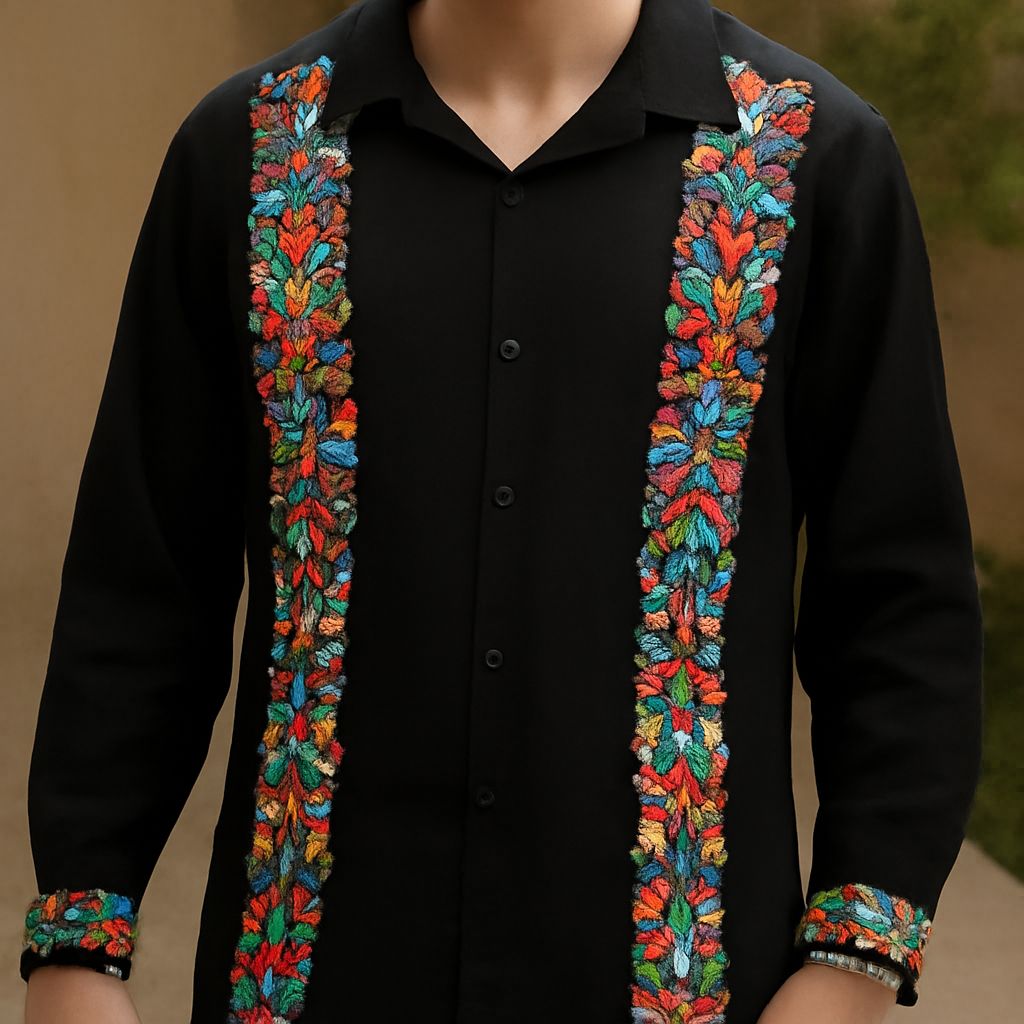
Handcrafted details set the traditional guayabera apart. The pleats are often sewn by hand, and embroidery may decorate the front, back, or cuffs with subtle patterns. Wooden or pearl buttons are a frequent touch, adding a bit of understated luxury. The shirt’s straight cut and short side vents are designed to promote airflow and comfort while ensuring a clean silhouette whether worn open or buttoned up.
Modern adaptations have introduced polyester blends for easier care, but aficionados of the traditional guayabera maintain that pure linen or cotton offers the best look and feel. The durability and easy elegance of these shirts are key reasons why they remain a wardrobe staple in many cultures.
Cultural Significance and Modern Use
Beyond its practical design, the guayabera carries significant cultural meaning. In Cuba, Mexico, Puerto Rico, and other countries, it is regarded as both everyday apparel and formal attire. Presidents, politicians, and celebrities have worn guayaberas for official events, weddings, and national holidays, reinforcing their association with dignity and tradition.
The traditional guayabera is a symbol of heritage and pride. In Yucatán, Mexico, it is part of the formal dress for men, especially at ceremonies and important gatherings. In Cuba, the guayabera is sometimes called “the shirt of the Cuban people.” It has even been declared the official formal dress in some regions, like Mérida, Yucatán.
As styles have evolved, the guayabera has found global appeal. Designers reinterpret the shirt with new cuts, brighter colors, and contemporary fabrics. Whether worn by diplomats on state visits or by musicians on stage, the guayabera bridges tradition and modernity. Its presence at celebrations, graduations, and other milestones highlights its versatility and enduring status.
Today, the guayabera is also a statement piece for those seeking comfort without sacrificing style—a testament to its global journey and lasting relevance.
How to Wear a Guayabera Today
To wear a guayabera, start by choosing a fit that is comfortable but not overly baggy. Traditional guayaberas should drape naturally, with the hem falling at the hips or just below. Always wear the shirt untucked; this shows off the straight hem and allows for better airflow.
For formal occasions, opt for a crisp, white or light-colored guayabera in linen or cotton. Pair it with dress trousers and leather shoes. In more casual settings, you can select brighter colors or subtle patterns and pair the shirt with chinos, linen pants, or even tailored shorts and loafers. Avoid wearing ties with a guayabera, as its design is meant to stand alone. If layering, a lightweight undershirt works best to preserve the shirt’s breathability.
Women’s guayabera designs now include dresses and blouses inspired by the traditional shape, offering similar comfort and style. Whether you’re attending a beach wedding or a summer party, the guayabera provides effortless sophistication with a nod to cultural heritage.
Maintain your guayabera by washing it gently and ironing or steaming to keep the pleats crisp. With proper care, your guayabera will remain a classic choice for years to come, equally at home in formal and casual wardrobes.