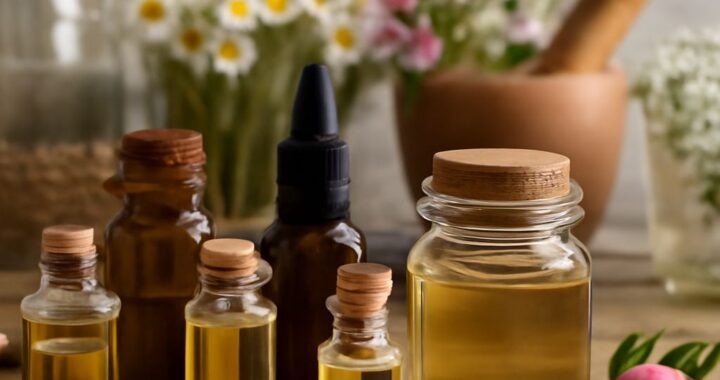
Every spritz of perfume is more than just a fleeting scent—it’s a blend of carefully chosen ingredients that tell a unique story. Whether you gravitate toward fresh florals, deep woods, or spicy orientals, understanding perfume ingredients helps you appreciate what makes your favorite fragrance memorable and how it interacts with your senses.
What Are Perfume Ingredients?
Perfume ingredients are the core building blocks that create a fragrance’s scent profile. These can include aromatic extracts from flowers, fruits, woods, and spices, as well as synthetic molecules developed in labs. Each ingredient brings a distinct note to the composition, contributing to the fragrance’s overall character, longevity, and projection.
In a typical perfume, ingredients are organized into top, middle (heart), and base notes. Top notes offer the first impression—think citrus or herbs—while middle notes provide body, such as rose or jasmine. Base notes like musk, amber, or vanilla linger longest and give depth. Together, these ingredients form a harmonious scent pyramid that evolves as you wear the perfume.
Every fragrance, whether luxurious or budget-friendly, is crafted from a blend of perfume ingredients tailored to evoke specific moods and suit different preferences. Some perfumes use dozens of ingredients, while minimalist scents may highlight just a few key notes.
Types of Fragrance Ingredients: Natural vs. Synthetic
Fragrance ingredients fall into two broad categories: natural and synthetic. Natural ingredients are derived directly from plants, fruits, resins, or animal sources (though animal-derived notes are increasingly rare due to ethical concerns). Common natural perfume ingredients include essential oils from rose, sandalwood, bergamot, or patchouli, as well as absolutes from jasmine, iris, or orange blossom.
Synthetic ingredients are created via chemical processes in the lab. These compounds often mimic the scent of natural materials or create entirely new olfactory experiences. Popular synthetics like Iso E Super (woody, velvet-like), Calone (marine, fresh), and aldehydes (soapy, sparkling) allow perfumers to achieve consistent quality, stability, and innovative effects not possible with naturals alone.
Many modern fragrances blend natural and synthetic ingredients for balance, affordability, ethics, and creativity. Synthetics also help protect endangered botanicals and ensure that perfumes remain safe for skin and the environment.
Understanding the distinction helps you make informed choices, whether you seek a nature-inspired perfume or are open to the artistry of modern fragrance chemistry.
Common Ingredients in Popular Perfumes
Some fragrance ingredients appear again and again in well-loved perfumes, shaping entire families of scent. Floral notes such as rose, jasmine, and tuberose are classic staples in feminine fragrances like Chanel No. 5 and Dior J’adore. Citrus ingredients like bergamot, lemon, and mandarin add brightness to colognes and fresh scents—think Acqua di Parma Colonia or Atelier Cologne Orange Sanguine.
Woody notes—patchouli, sandalwood, cedarwood, and vetiver—form the backbone of many unisex and masculine scents, such as Terre d’Hermès and Le Labo Santal 33. Gourmand ingredients like vanilla, tonka bean, and praline, featured in Thierry Mugler Angel or YSL Black Opium, create warm, edible-smelling accords.
Modern perfumery also relies on synthetic notes to achieve iconic effects. For example, the clean musk in Narciso Rodriguez For Her or the aquatic freshness in Davidoff Cool Water comes from lab-made molecules. These allow for signature scents that are both recognizable and long-lasting.
Often, the unique character of a fragrance comes from the balance between familiar and unexpected perfume ingredients, making each bottle distinct.
How Ingredients Influence Fragrance Mood and Character
The choice and combination of fragrance ingredients directly impact the mood and personality of a scent. Citrus and green notes generally evoke freshness, energy, and optimism. Floral ingredients conjure romance and softness, while woods and spices lend sophistication, mystery, or warmth.
For example, a perfume rich in lavender, mint, and citrus will feel light and invigorating—ideal for daytime or summer. A blend heavy on amber, oud, and vanilla creates a sensual, enveloping aura that’s perfect for evening or cooler weather. Musk and powdery ingredients often add comfort, while resinous or leathery notes project confidence and luxury.
Perfumers use their knowledge of how each ingredient interacts to craft scents that match specific moods or occasions. You can use ingredient lists to predict how a perfume might make you feel, helping you select a fragrance that complements your style or lifts your spirits.
Recognizing key perfume ingredients empowers you to navigate the world of fragrance with more confidence, whether you’re searching for a signature scent or simply want to explore new olfactory horizons.