Finding the best place to buy essential oils is key to getting pure, effective products for aromatherapy, beauty routines, or home care. With so many options online and in stores, you need to know where to find trusted sources for good quality essential oils and which essential oil companies stand out. Use this guide to make informed choices that match your needs and preferences.
Where Is the Best Place to Buy Essential Oils?
The best place to buy essential oils is directly from reputable specialty retailers and brand websites that provide full transparency about sourcing, purity, and testing. Leading online companies like Plant Therapy, Rocky Mountain Oils, and Eden’s Garden sell directly to consumers and offer detailed product specifications and test results (GC/MS reports). When you buy from these sites, you know exactly what you’re getting and can trace the oil’s origin and quality.
Brick-and-mortar health food stores such as Whole Foods and Sprouts also carry a curated selection of essential oils. While in-person shopping allows you to test scents and ask staff for advice, inventory is often limited compared to online specialists. Large e-commerce platforms like Amazon may offer convenience and variety, but quality control is inconsistent—always purchase from the brand’s official storefront, not third-party resellers.
For the most reliable experience, stick with dedicated essential oil brands or established natural health retailers. These companies invest in rigorous quality control and customer education. Their direct channels often provide the freshest stock, better return policies, and expert customer service.
How to Identify Good Quality Essential Oils
Good quality essential oils are pure, unadulterated, and properly labeled. Always look for oils that list the botanical name (like Lavandula angustifolia for true lavender), country of origin, and extraction method. The label should also state if the oil is 100% pure essential oil or if it contains carrier oils or additives.
Trustworthy companies publish third-party testing, such as GC/MS (gas chromatography/mass spectrometry) reports, which confirm an oil’s chemical profile and purity. If these reports aren’t available, consider it a red flag. Avoid oils marketed as “fragrance oils” or blends with terms like “nature identical” or “perfume grade”—these are not true essential oils and may contain synthetics.
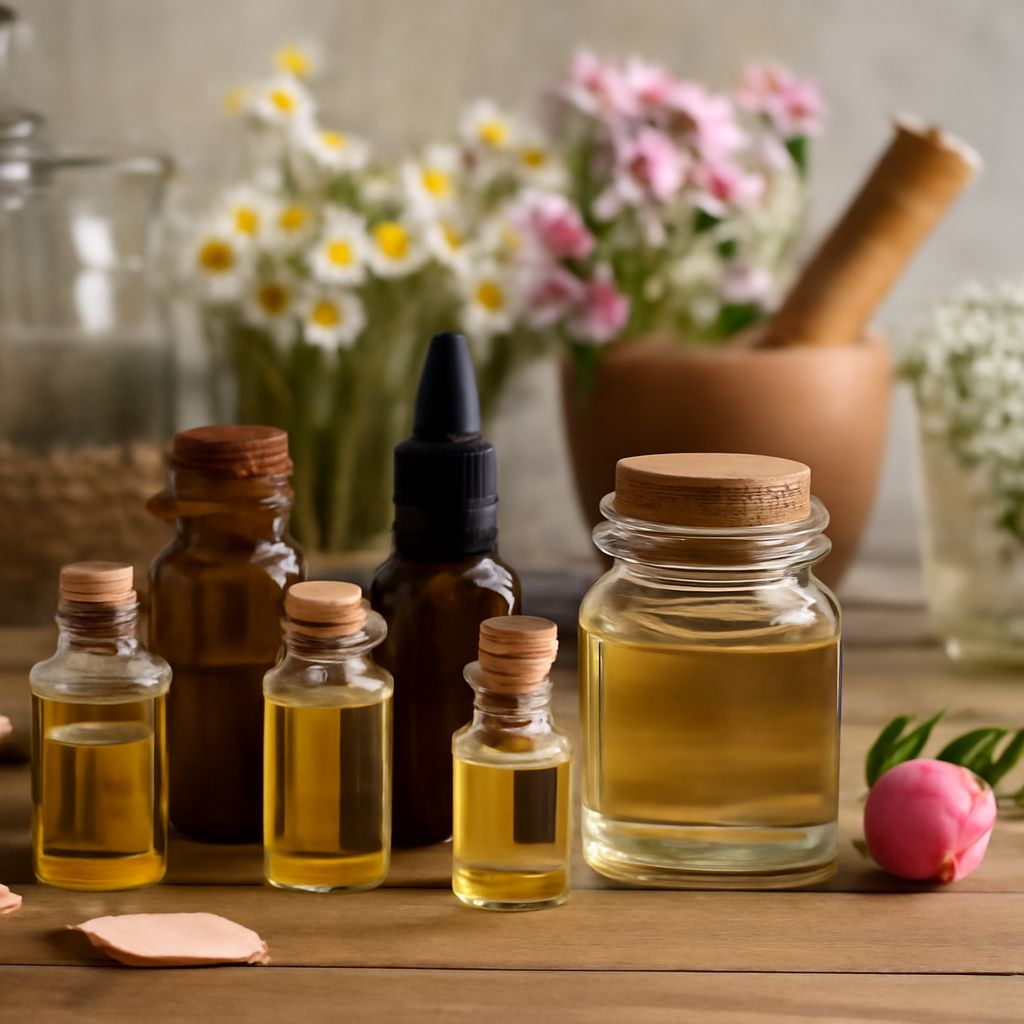
Packaging matters, too. Quality oils come in dark glass bottles to protect from light and oxidation. Make sure the bottle is tightly sealed and check that the expiration date is at least a year away. Finally, the price should reflect the oil’s rarity and extraction costs—unusually cheap products are often diluted or fake.
Best Essential Oil Companies to Know
The best essential oil companies balance transparency, quality testing, and ethical sourcing. Here are top brands trusted by aromatherapy professionals and home users alike:
- Plant Therapy: Known for broad selection, child-safe blends, affordable pricing, and batch-specific GC/MS reports on every product page.
- Rocky Mountain Oils: Offers extensive single oils and blends, with full traceability and third-party testing easily accessible. No membership required.
- Eden’s Garden: Woman-owned, offers 100% pure oils, value sets, and transparent sourcing information. No MLM structure.
- doTERRA and Young Living: Well-known multi-level marketing brands with large catalogs and strict internal standards; however, oils are typically more expensive due to the sales model.
- Mountain Rose Herbs: Specializes in certified organic oils and promotes sustainable, ethical sourcing. Ideal for buyers who prioritize environmental responsibility.
Each of these brands provides detailed product data, sourcing transparency, and customer education. Most avoid synthetic additives, and several have direct relationships with growers. Choose a company whose practices and price points align with your values and intended uses.
What to Consider Before You Buy
Before buying essential oils, clarify your intended use—aromatherapy, topical blends, diffusing, or cleaning—since purity and safety requirements vary. Check for known allergens and dilution recommendations, especially if you plan to use oils on skin or around children and pets.
Research each oil’s safety profile and recommended dosages. Some essential oils are phototoxic or should be avoided during pregnancy. Always read company-provided safety data and consult reputable aromatherapy resources if you’re unsure.
Finally, review the brand’s customer policies. Reliable companies offer satisfaction guarantees, responsive support, and clear return processes, making it easy to shop with confidence. Prioritize quality and safety over low prices, and you’ll find the best essential oils for your needs and peace of mind.