Perfume making at home lets you create a fragrance that’s entirely your own. With the right ingredients, basic equipment, and a little creativity, you can make perfume that reflects your personal style. This guide covers exactly what you’ll need, how to make perfume, and tips to help you experiment with confidence.
What You Need for Perfume Making
To start perfume making, gather these essential supplies and ingredients:
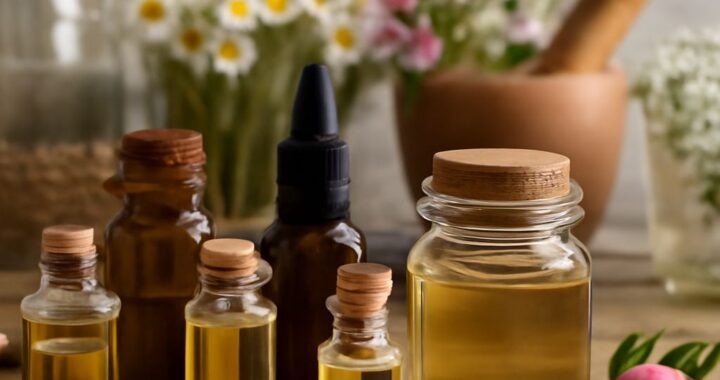
- Essential oils or fragrance oils: These are the core scents you’ll blend. Popular choices are lavender, rose, sandalwood, citrus, jasmine, or vanilla.
- Carrier liquid: Alcohol (like perfumer’s alcohol or high-proof vodka) is most common for traditional sprays. Jojoba oil or sweet almond oil are good for oil-based blends.
- Glass bottles and droppers: Use dark glass bottles (10-30 ml) to protect your perfume from light. Droppers or pipettes help measure oils precisely.
- Small funnel: This makes transferring liquids tidy and easy.
- Blotter strips or cotton swabs: For testing scent blends as you work.
- Notebook and pen: Record your recipes and ratios so you can recreate or tweak your favorite blends.
Optional but helpful tools include disposable gloves (to avoid lingering scents on your hands), measuring spoons for larger batches, and labels to keep track of each creation.
Quality matters. Choose pure essential oils from trusted sources, and make sure your bottles and equipment are clean before you begin. This prevents contamination and keeps your perfume stable over time.
Step-by-Step: How to Make Perfume at Home
Here’s a straightforward method to make perfume with ingredients and equipment you can find online or at a crafts store:
-
Decide on your scent formula: Most perfumes have three “notes”:
- Top notes are the first scents you notice—think citrus, mint, or light florals.
- Middle notes (heart notes) are the core of the fragrance, like jasmine, rose, or spices.
- Base notes last the longest—woods, amber, vanilla, or musk.
A classic perfume ratio is 30% top notes, 50% middle notes, and 20% base notes. Start with 20–30 drops total for a small (10 ml) bottle.
- Blend your oils: Add your chosen essential or fragrance oils to the bottle. Use a dropper for accuracy, starting with the base notes, then middle, then top. Swirl gently to combine.
- Add the carrier: For alcohol-based perfume, fill the rest of the bottle with alcohol (about 70–80% of the total volume). For oil-based blends, top up with your chosen carrier oil.
- Let it mature: Cap the bottle tightly and store in a cool, dark place for 48 hours to 6 weeks. The longer it sits, the more the scents will blend and mellow. Test your perfume after two days and adjust if needed.
- Filter and finish: If you see any sediment, strain through a coffee filter. Label your perfume with its name, ingredients, and date made.
Now your homemade perfume is ready to use. Spray or dab it on your skin, or gift it to friends and family.
Tips for Creating a Unique Fragrance
To make perfume truly your own, experiment with unusual scent pairings or signature twists. Start small: test blends on a blotter strip before committing to a whole bottle. Less is more—add oils drop by drop and record what works.
Pay attention to the longevity and projection of each note on your skin. Some oils, like citrus, fade quickly, while base notes linger. Adjust your ratios to balance the effect you want.
Layering is another strategy. Use unscented lotion as a base layer, or pair your homemade perfume with a complementary body oil for a richer effect. Don’t be afraid to break the rules—some of the most memorable fragrances come from unlikely combinations.
If a blend doesn’t turn out as expected, let it age a few weeks. Scents can soften and meld surprisingly with time.
Inspiration for Your Next Perfume Blend
Draw inspiration from your favorite places, seasons, or moods. For example, a “spring garden” scent might combine geranium, green tea, and fresh-cut grass. Try a “cozy evening” blend with cedarwood, vanilla, and a hint of cardamom.
Classic combinations include lavender and bergamot for a calming scent, or patchouli, orange, and sandalwood for something earthy yet bright. For a summery twist, layer grapefruit, mint, and coconut.
Browse perfume recipe books or online communities where makers share their favorite blends. Adapt ideas to your preferences—maybe you like a hint of spice, or prefer all-natural oils over synthetic fragrance notes.
Above all, let your senses guide you. Perfume making is a creative process, so each bottle can be a unique reflection of your taste and personality.