Put a conventional pointed shoe next to your foot and you may notice that the shoe comes to a neat little point while your toes do not. Barefoot-style footwear makes room for that difference, usually with a broad front and a flexible, relatively thin sole. The best shoes for barefoot walking should also fit your actual day, whether it involves a commute, a grocery run or an ambitious amount of sidewalk.
Best Barefoot Shoes Start With the Right Shape
A wide-looking toe box—the front part of the shoe—is only the beginning. Stand on a piece of paper, trace each foot, and compare the outline with the shoe’s removable insole if it has one. Your toes should have room to spread without pushing against the sides or end. Check both feet: they are often slightly different sizes. Try shoes on later in the day, with the socks you intend to wear, and walk on a clean indoor surface before deciding.
The heel should stay comfortably in place as you step, without your toes gripping to hold the shoe on. A roomy front and a secure heel can coexist. Laces let you adjust tension over the instep, the top of your foot; a slip-on is quicker but depends more heavily on the shape of the opening. If the upper wrinkles tightly across your toes or the heel rubs after a few minutes, try another shape rather than relying on the material to stretch.
What the Sole Tells You
Minimalist shoes generally aim for flexibility and a relatively close feel of the ground. Bend the forefoot with your hands, then walk: the shoe should move comfortably where your foot bends. A thin sole lets you notice more texture underfoot, while more cushioning softens that sensation. Even minimal shoes vary in cushioning; neither extreme is a universal winner. The person who enjoys feeling the pavement may choose differently from the person spending an afternoon on a hard museum floor.
Look for the stack height, the thickness of material underfoot, and heel-to-toe drop, the difference in height between heel and forefoot. Zero drop means those heights are equal; it does not tell you the sole’s thickness. A removable insole can change the feel, so try it as supplied and, if the maker permits, without it. The best shoes for a barefoot feel are the ones you can walk in comfortably for your intended outing.
For a first pair of bare foot shoes, wear them on a short, familiar walk and increase time gradually as your feet adjust. Keep your usual footwear available for longer days. If you have foot pain, an injury or a condition affecting sensation or gait, ask a qualified clinician about the change before increasing wear. Comfort during the try-on and later that day is useful information; persistent pain is a reason to stop.
Three Models Worth Comparing
These examples show how barefoot shoe brands make different choices. Check current sizing, materials and return terms on the specific listing; versions and availability can change.
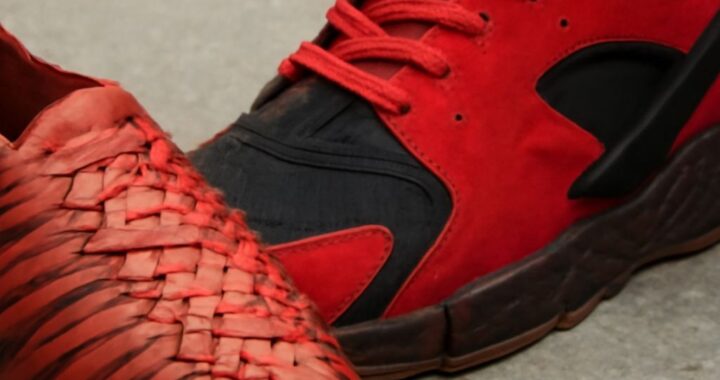
- Merrell Vapor Glove 6: The men’s mesh model has laces, a breathable mesh upper, an integrated foam insole and a listed 6 mm stack with zero drop. Its Vibram outsole wraps around the foot. Consider it for a sporty look and a close-to-ground feel; the integrated insole is not an adjustment you can simply remove.
- Xero Prio: Xero describes the Prio with a removable 2 mm insole. That gives you a way to compare a little extra material underfoot with a more direct feel. Its lace-up athletic appearance works naturally with jeans, leggings and casual trousers.
- Merrell Vapor Glove 6 Leather: The women’s leather version has a leather upper and a listed 6 mm stack. The cleaner surface gives a similar low-profile silhouette a different wardrobe role. Check the US listing for the version and size you can actually order; the linked specification is from Merrell’s European site.
The best barefoot shoes suit your foot and routine. A barefoot shoes review is most helpful when it tells you the reviewer’s foot shape, usual size, surface and length of wear. A beautiful photograph cannot tell you whether the instep presses on your foot. Compare measurements and return conditions across minimalist shoe brands before ordering two sizes, and keep the pair you can walk in without pressure or heel slip.
Choose the Look as Carefully as the Fit
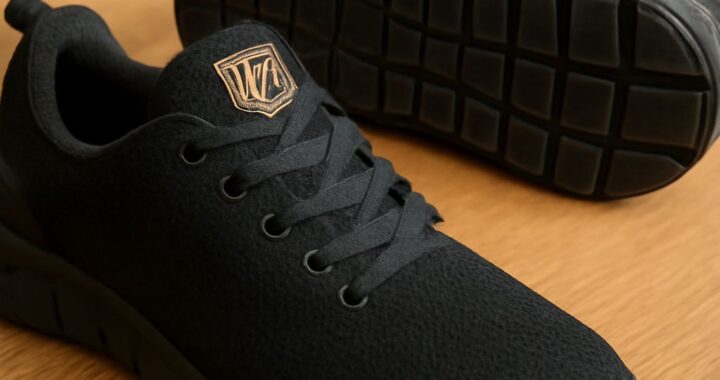
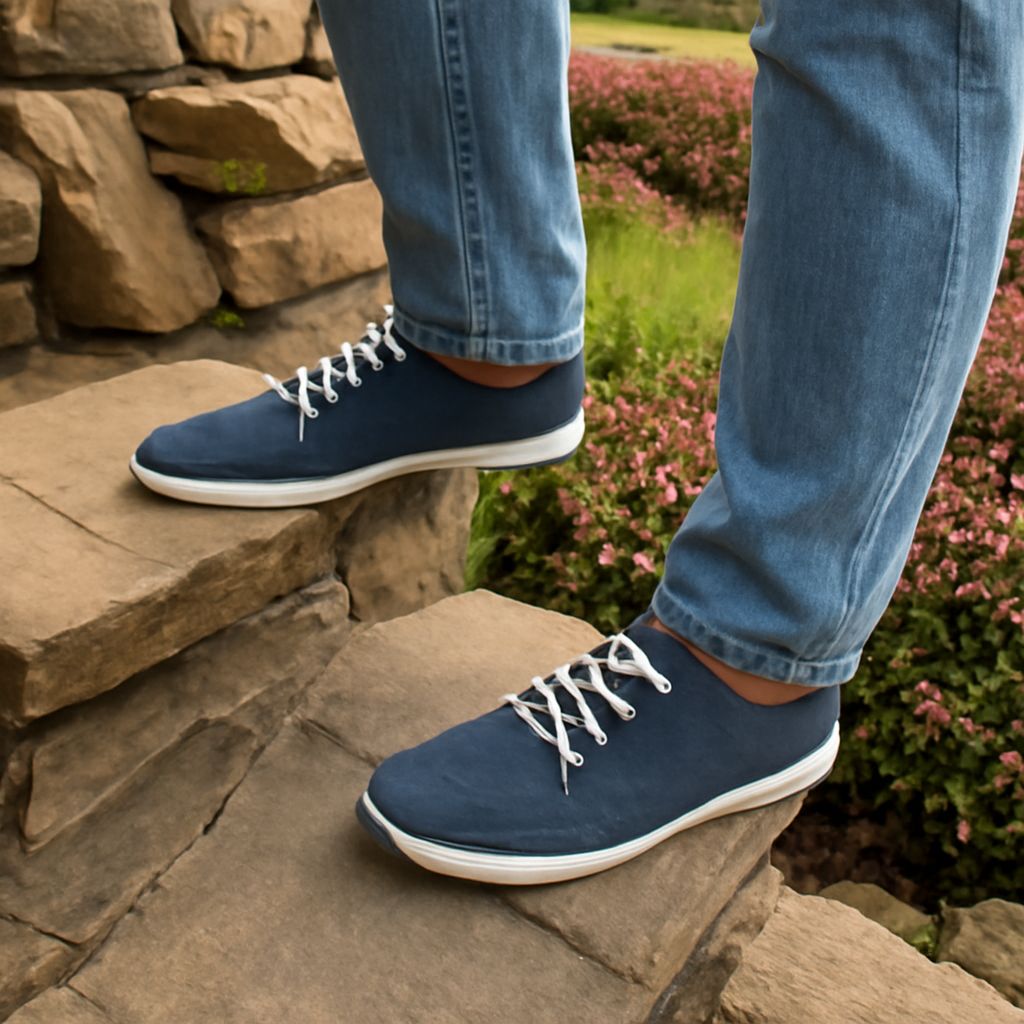
For everyday outfits, start with the shape of your trouser hem. A low-profile lace-up looks intentional under straight-leg jeans, especially when the hem ends just above the shoe. A monochrome pair can give wide trousers a quiet finish; a contrasting color makes the shoe part of the outfit. With a skirt, repeat a color from a bag or jacket to bring the look together.
Some foot glove shoes have a close, athletic profile; others use individual toe pockets. A toe shoe with separate pockets has a distinct look and needs each toe to fit its own space. Try it on rather than ordering solely by the length of your longest toe. A conventional roomy toe box is easier to pair with socks and may feel more familiar if you are new to this style.
For families, Bear Feet shoes are a separate children’s footwear line rather than a shortcut to an adult fit; the trademark record identifies its infant and children’s shoes. For your own pair, compare the outline and measurements against your feet. Shoes for your feet that leave room in front should still hold securely through the heel.
Make the Final Choice
If your usual outfit is casual and you want a light, low sole, the mesh Vapor Glove is a sensible model to try. If you want a removable layer underfoot, start with the Prio; if a smoother upper matters for your wardrobe, look at the leather version. For barefoot walking shoes, bring your intended socks, test the closure and walk long enough to notice rubbing. Choose the pair that leaves your toes room, stays put at the heel and feels comfortable on the surfaces you actually use. The same fit test applies to minimalist walking shoes for errands, travel and everything between.