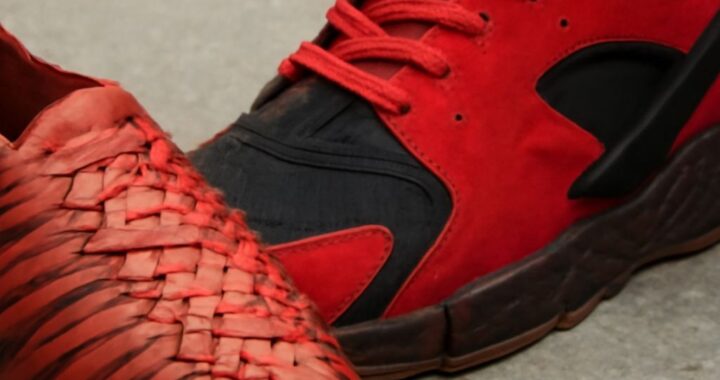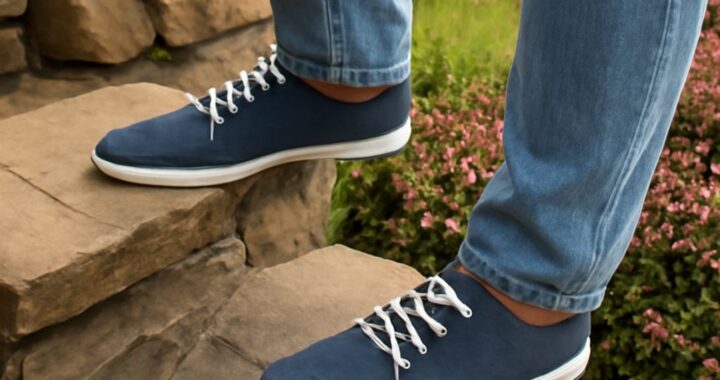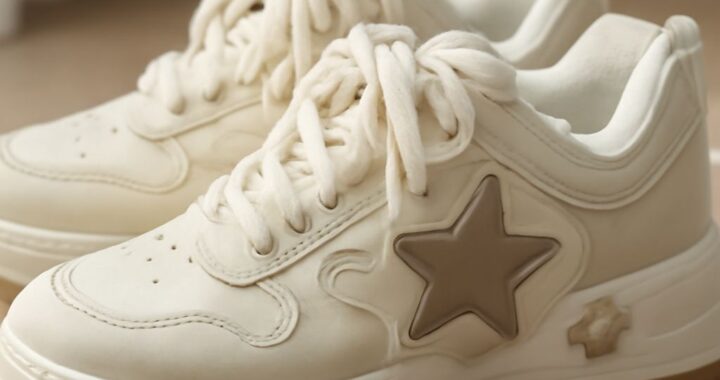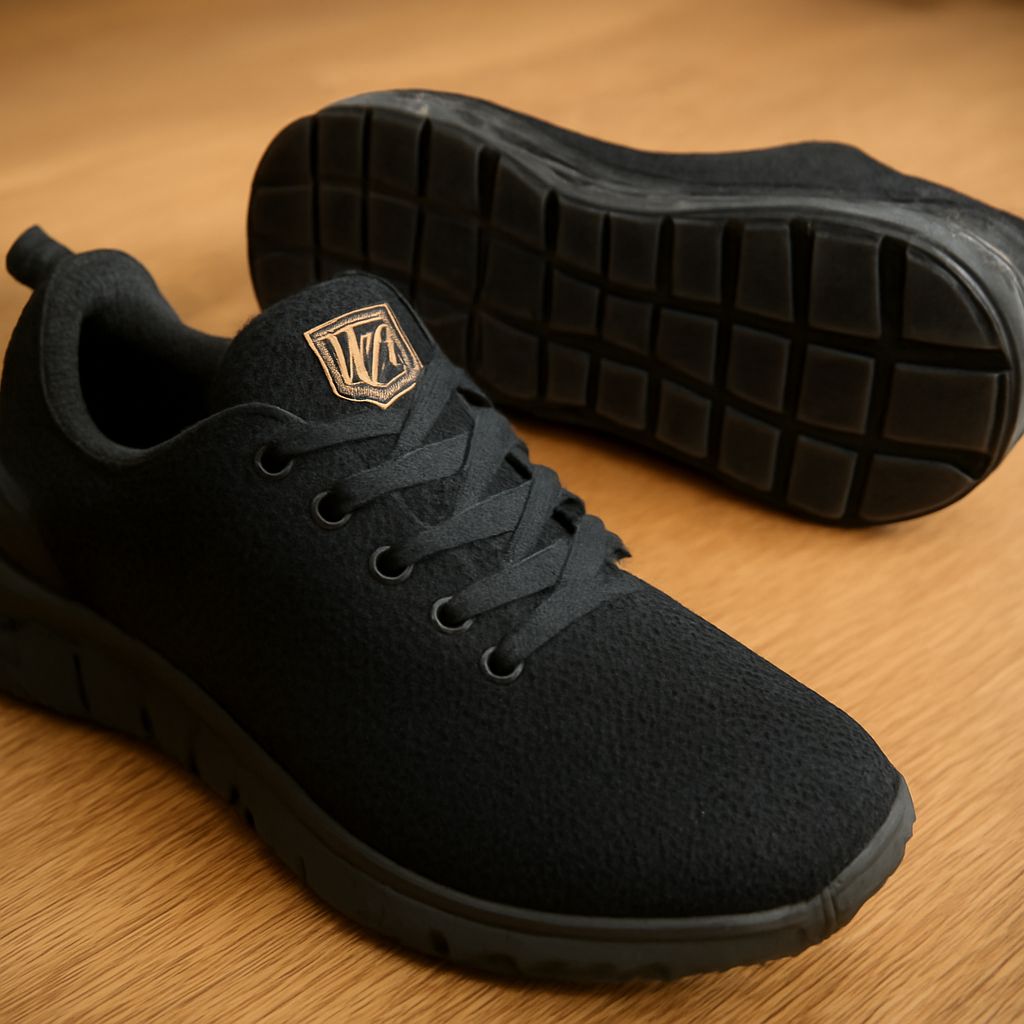
The sole tells a story before you take a step: a court-specific tread and a smooth fashion sneaker are designed for different jobs. The best women’s tennis footwear for you starts with where you’ll wear it. A pair of women’s shoes for tennis practice needs to suit the surface and your movement, while an everyday pair can be chosen around your wardrobe and walking routine.
Best Tennis Shoes for Women: Court or Everyday?
In everyday conversation, “tennis shoes” can mean sneakers of almost any kind. A shoe made for tennis, however, is designed around court movement, including quick changes of direction. Look for the manufacturer’s stated sport and surface, not just a tennis-inspired name or a neat white upper. Ask your club about any sole or marking rules before buying.
A lifestyle sneaker can look wonderful with jeans and a blazer. For regular play, compare models sold for the court, including the particular version of each model. Shoes designed for hard courts, clay, and other surfaces can have different outsoles—the bottom layer that meets the ground. A tread intended for one surface may feel different on another, and the facility may have its own requirements.
Among the best tennis shoes, womens preferences vary with surface and fit. If you play mainly on hard courts, start with a model the manufacturer identifies for that surface. For clay, look at its clay-specific options and the tread description. If you split your time, ask the manufacturer or a knowledgeable retailer whether a particular all-court model suits both surfaces you use. The best court shoes for women are the ones suited to the actual court, not simply the most attractive color on the shelf.
Compare Real Court Models
ASICS lists the GEL-RESOLUTION X among its women’s court shoes and also shows a wide version and a clay version. The names are a useful reminder to check the exact product listing: a model family may contain different widths or outsoles. Compare the surface recommendation and size options when choosing womens tennis shoes.
For clay, adidas lists the Barricade 14 Clay in its women’s clay-court range. If clay is where you play, examine its sole and try it alongside another clay-designated model. If you play on hard courts, look for the appropriate version rather than assuming the clay model is interchangeable. Availability and colors change, so check the current listing.
These examples are starting points: the best tennis shoes for women depend on the individual. The best tennis footwear for a woman who wants a roomy forefoot may differ from the best option for someone who prefers a closer fit. Try the shoes with your usual court socks, and make a few controlled side steps on a clean fitting-room floor if the store allows it. Notice how the upper holds your foot when you change direction.
Fit Length, Width, and Closure
Try on both womens tennis shoes and lace them as you would for play. Stand up, walk, and check that your toes have room to move without pressing against the end. The widest part of your foot should feel accommodated rather than squeezed. Your heel should feel secure without a painful grip. If one foot is larger, assess the fit on that foot as well.
Width matters independently of length. If a shoe pinches across the forefoot, look for a wider version or a different shape rather than automatically buying a longer pair. The American Academy of Orthopaedic Surgeons notes that sizing up to gain width may leave excess length. A removable insole can also affect the available space, so try the shoe with any insert you normally use.
Laces let you adjust tension along the foot. They should hold the shoe comfortably without digging into the top of your foot or requiring you to pull so hard that the eyelets nearly meet. Slip-on styles can be convenient for everyday wear; for court use, check that the closure and fit stay secure during the movements you plan to make. Ladies tennis shoes should feel right during the fitting, not only after a hoped-for break-in period.
Look at the Whole Construction
The upper is the part that wraps around your foot. Mesh panels can give a different feel from a more structured upper; overlays are additional material placed in selected areas. Press and flex the shoe gently, then wear it to see whether the structure feels comfortable around your toes and the sides of your foot. A feature list cannot tell you exactly how that particular shape will fit you.
Notice the cushioning underfoot, the height and shape of the sole, and the shoe’s weight in your hand. Some players prefer a more substantial feel; others like a lighter one. Compare two suitable pairs in the same session, using the same socks and movements. The best women’s shoes for a tennis session are the ones whose court designation and fit work together for you.
Inspect the outsole regularly once you own the shoes. Smooth or unevenly worn areas can change how the tread contacts the court. If the upper no longer holds your foot comfortably or the sole is visibly worn, compare its condition with the maker’s guidance and consider a replacement. Keep a court pair separate from your street shoes if you want to limit the dirt you bring onto the playing surface.
Style an Everyday Pair
For errands, a simple white leather-look sneaker can be easy with straight jeans, a striped shirt, and a navy blazer. A cream pair softens the contrast with beige trousers and a knit. If you prefer a sportier look, try a colorful mesh sneaker with wide-leg pants and a plain tee; let one color in the shoe echo your bag or jacket.
For an actual match, start with function and then choose the color among the pairs that fit. For a walking-and-coffee day, an everyday sneaker with comfortable width and a closure you like may be the better choice. Whether you choose a court model or casual tennis-style shoes for women, use the surface recommendation, your fitting notes, and the clothes you’ll wear to make the final decision.