A size 20 shoe can be available in several widths, while another model stops at size 16 in one width. Finding larger shoes starts with both numbers, not just the biggest size in a menu. Shoes for big feet also need the right shape at the heel, instep, and toes; a roomy label is not a fitting appointment.
Big feet shoes: Measure before you shop
Stand on a sheet of paper in the socks you expect to wear. With your weight on your foot, mark the heel and longest toe, then measure the distance between them. Measure both feet and use the longer measurement as your starting point.
Record the widest part of each foot as well, then use the brand’s width chart. Length and width are separate: a long foot can be narrow, and going up a length to gain width may leave the heel loose. For big feet, shoes should have enough room at the toes without sliding at the back. Compare the measurement with the seller’s guidance for the specific model, not an unrelated pair in your closet.
US, UK, and European numbers are different systems. Use the brand’s own chart rather than a conversion remembered from another purchase. New Balance’s men’s sizing tool, for example, shows US men’s 20 at 38 centimeters of foot length. That is a guide to the brand’s scale, not a promise that every size 20 from every maker fits identically. If you print a sizing tool, follow its scale-check instructions.
Width, depth, and the shape of the shoe
Width letters depend on the size system. On New Balance’s charts, D is standard for men and B is standard for women; 2E and 4E indicate wider men’s options. The letters are relative to the numbered length, so use the relevant chart rather than treating 4E as one fixed measurement in inches. Footwear in larger sizes can have different width availability by model and color.
Depth is the room above the foot, including at the instep. A shoe for a large foot can be long enough and still press across the top. Conversely, a wide shoe can feel loose at the heel. Check the toe box—the front space around your toes—for room to move without being squeezed from either side. Your longest toe should not touch the front as you stand or walk.
For big feet, shoes with laces or adjustable straps can help you fine-tune the hold, but they cannot turn a badly shaped shoe into a good fit. Lace the pair as you normally would and walk on a clean indoor surface. Your heel should feel secure without painful pressure; toes should have space as your foot moves forward. If the shoe pinches, try another width or model rather than counting on it to stretch.
Real options at larger sizes
The examples below use US prices and product details checked in November 2026. A size shown in a selector may be sold out in a particular width or color, so select the exact combination before calculating delivery.
- New Balance Made in USA 990v4: Listed at $184.99 in the checked color, this sneaker’s selector went up to men’s US 16 and showed standard D width. The product page pairs men’s 16 with women’s 17.5 in its unisex display. This large-size sneaker for men is a starting point if its length and width match your chart; check stock.
- Hoss Buster V at XLfeet: Listed at $129.94, this work shoe has a safety toe and adjustable hook-and-loop closure. XLfeet lists sizes through US men’s 20 in 2E, 4E, and 6E, but the checked page showed the currently selected variant as sold out. Confirm the exact combination and its safety specifications before relying on it for work.
- XLfeet size 20 collection: This specialist retailer groups large-size footwear for men by US size and width, including D and several wider choices. Its collection showed Hoss work shoes and boots alongside other styles. For very large shoes, a filter is a useful first pass; open the product page to verify that the particular size-width combination is available, rather than assuming every listed width comes in every size.
These mens large size shoes illustrate two different shopping routes: a mainstream model with a published size and width, and a specialist work shoe in longer, wider combinations. If neither matches your measurements, search another model rather than buying extra length to compensate for width.
Compare the full cost, including a possible return
Big shoes can cost more than their shelf price once delivery is added. At XLfeet, the checked product page says free shipping applies to orders of $150 or more in the contiguous US. A $129.94 pair falls below that threshold by itself; add the actual shipping and applicable tax shown for your address.
New Balance’s return policy normally accepts eligible items in new condition within 45 days of shipment for online orders. It lists free online returns for members and a $5 restocking fee for nonmembers; in-store returns are free. For purchases from November 3 through December 24, 2026, it states an extended 60-day window. Final-sale exclusions and other conditions still apply. XLfeet’s size page states a 60-day return period; check its current detailed policy and return shipping cost for your order.
For shoes in extended sizes, write down the price, outbound shipping, tax, and any likely return or restocking charge. For example, if a $129.94 pair has a hypothetical $12 delivery charge, the initial total is $141.94 before tax; a return charge would be additional if applicable. This makes a sale easier to compare with a pair that costs more but ships and returns for less.
Try the pair with your actual wardrobe
Try big shoes with the socks and trousers you plan to wear. Walk, sit, and stand again. Check that the widest part of your foot sits where the shoe bends and that there is no rubbing at the heel. Keep the soles clean and the packaging until you know whether your shoes for larger feet fit and satisfy return rules.
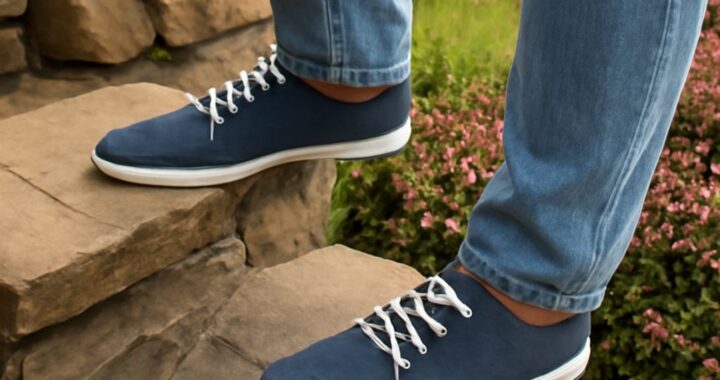
Big shoes with a long profile may look substantial with narrow pants. A straight-leg trouser can balance the proportion, while a cuff that rests just above the shoe reveals its shape. Choose the look you like after the fit works; a neat silhouette is much easier to enjoy when you are not thinking about your toes.
For extra large shoes, start with the longer foot’s measurement and the width chart, then select an exact model and size. Before paying, check stock, delivery cost, and the return method for that combination. If the length works but the forefoot feels cramped, try the next suitable width—not another length by default.