Understanding your hair’s unique characteristics can significantly influence how you care for and style it. The hair texture chart serves as a valuable tool in identifying these characteristics, helping you to determine the best care and styling practices for your specific hair type. Whether you’re curious about how your hair compares to others or simply want to enhance your current hair care routine, this guide will walk you through the essentials of using a hair texture chart.
What Is the Hair Texture Chart?
The hair texture chart is a classification system that categorizes hair based on its curl pattern, density, porosity, width, and length. This chart is primarily used to identify different curl patterns ranging from straight (Type 1) to tightly coiled (Type 4). Each category has subcategories (a, b, c) that provide further granularity based on how loose or tight the curls are. Understanding where your hair fits on this chart can help you select products and styling techniques that complement your hair’s natural form.
How to Identify Your Hair Type
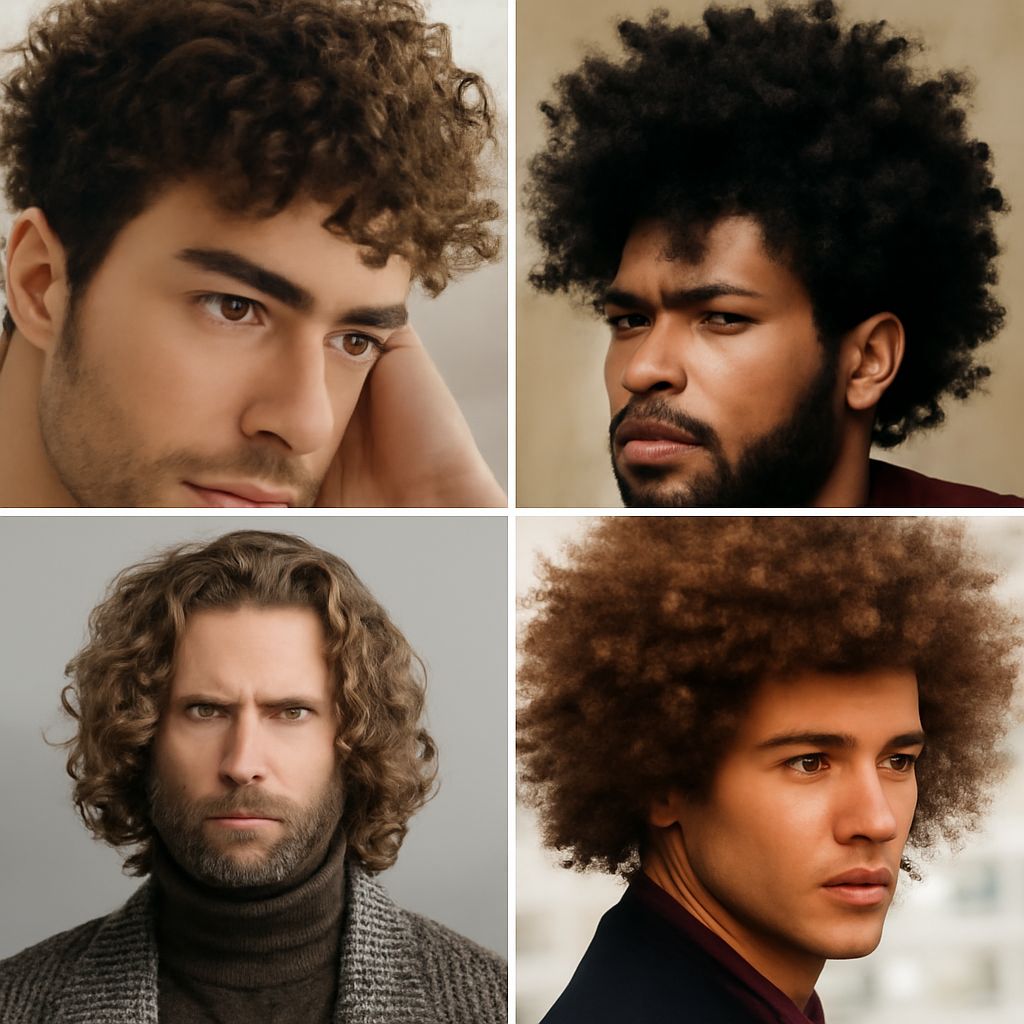
To accurately identify your hair type using the hair texture chart, start by examining your hair when it’s clean and product-free. Allow it to air dry naturally. Once dry, observe your hair’s curl pattern. For straight hair (Type 1), you’ll notice no curls. Wavy hair (Type 2) has an “S” shape, while curly hair (Type 3) forms distinct spirals. Coily hair (Type 4) features very tight curls or z-patterns. Additionally, assess your hair’s density by looking at how much scalp is visible and its porosity by seeing how quickly your hair absorbs water. These factors will help you fully understand your hair type.
Understanding Different Hair Textures
Hair textures can vary widely even within the same curl pattern category. The most common textures include fine, medium, and coarse. Different hair textures respond differently to styling and require varied care routines. Fine hair tends to be more delicate and can become greasy more quickly, while coarse hair is more robust but can be prone to dryness. Medium-textured hair strikes a balance, offering versatility in styling. Recognizing your hair texture is crucial in choosing the right products and techniques, ensuring your hair remains healthy and vibrant.
Hair Types for Men
While often overlooked, understanding hair types for men is equally important. Men’s hair is categorized similarly to women’s hair on the texture chart, with the same types from 1 to 4. Many men tend to have shorter hair, which can make curl patterns less apparent. However, identifying the hair type remains essential for choosing the right haircuts and styling products. For instance, men with Type 1 or 2 hair might benefit from lighter styling gels, while those with Type 3 or 4 hair may require heavier creams or pomades to define curls and reduce frizz.