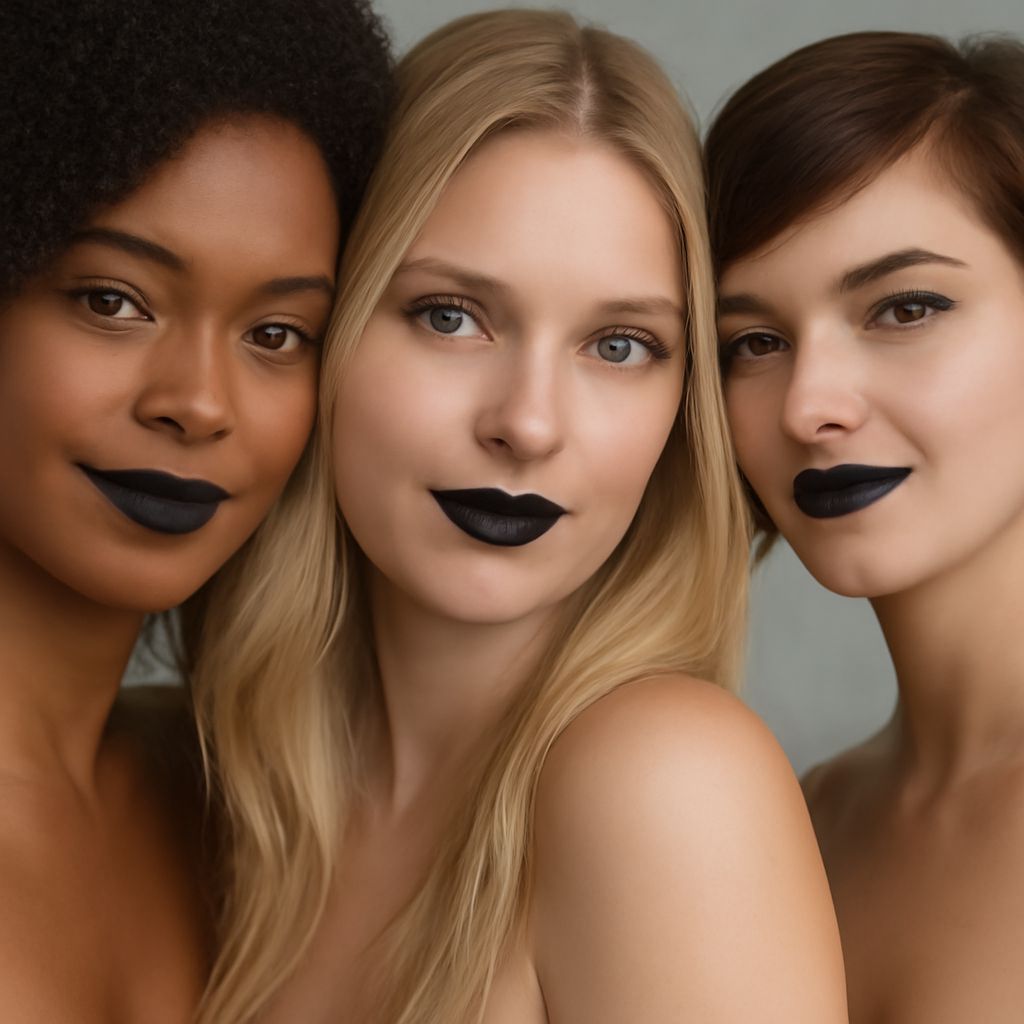
Build your lipstick collection around undertone, contrast, depth, and purpose—not a single idea of “fair.” A useful five- to seven-shade kit can cover everyday color, polished definition, bright impact, and evening drama. Choose each shade for a distinct job, then make black lipstick its own high-contrast styling branch.
Your skin may be fair and warm, cool, or neutral, while your hair, eyes, and overall coloring determine how much contrast feels intentional. Test swatches in daylight, and judge the finished color after it settles.
Start Your Lipstick Collection With Undertone and Contrast
Begin with undertone before you shop. Fair skin can lean golden, pink, rosy, or balanced, and the right color family keeps a shade from looking gray, orange, or overly stark.
- Warm fair skin: Try coral, peach, terracotta, warm red, and caramel nude. These shades echo golden or yellow undertones.
- Cool fair skin: Blue-based pink, berry, raspberry, mauve, and true red usually look cleaner and brighter.
- Neutral fair skin: Move between warm and cool shades, then compare their saturation and depth before choosing.
Contrast matters, too. If your coloring is light overall, softly muted rose or sheer berry may harmonize better than a highly saturated red. Dark hair, brows, or eyes can support vivid red, deep plum, and black without the lip overwhelming your face.
Choose Lipstick Colors for Fair Skin by Undertone, Depth, and Role
The best lipstick colors for fair skin fill different roles instead of repeating one favorite shade in slightly altered formulas.
- Easy nude: Choose a pink, peach, or beige nude one step deeper than your natural lip. Avoid a pale beige that erases your features.
- Everyday rosy shade: A rose, pink-brown, or muted mauve adds definition while staying office-friendly.
- Classic red: Pick blue-red for cool undertones, tomato red for warm undertones, or a balanced cherry red for neutral skin.
- Bright accent: Coral, fuchsia, or vivid pink gives you a daytime statement option. Match its temperature to your undertone.
- Deep shade: Plum, wine, brick, or chocolate creates evening definition without the intensity of black.
Use finish to create more variety. A sheer balm works for casual wear, satin gives flexible polish, and matte delivers stronger shape and color. A single shade in two finishes can be useful, but do not buy three nearly identical mauves with the same opacity.
How to Wear Black Liquid Lipstick With Deliberate Contrast
Black liquid lipstick looks most deliberate when you treat it as the focal point. Start with smooth, moisturized lips, then remove excess balm so the formula can grip evenly. Outline with a black or deep plum pencil, especially at the cupid’s bow and corners. Apply a thin liquid layer from the center outward, let it dry, and add only a second light coat where coverage looks uneven.
Keep the surrounding makeup controlled rather than automatically minimal. Soft taupe, gray, or champagne eyeshadow and clean mascara balance a black lip. For stronger contrast, add a precise wing or defined brows, but avoid competing saturated blush and eye color. Fair skin may need a visible blush or bronzer so the black does not flatten the complexion; choose a muted rose, mauve, or neutral peach.
Check the edges in bright light. Black shows every patch, flake, and uneven line, so use a small concealer brush to sharpen the perimeter.
Build a Small Collection Without Near-Duplicate Shades
Map your collection by role before buying. Write down each shade’s undertone, depth, finish, and intended setting. If a new lipstick matches an existing shade in three of those four categories, skip it unless the formula solves a real need.
A balanced starter kit can include one easy nude, one rosy everyday shade, one red, one bright accent, one deep berry or plum, and one black formula. Add a second nude or red only when your undertone or finish needs differ clearly. This approach keeps every lipstick useful and makes black a deliberate option, not a novelty purchase.