Choosing business formal attire women can wear becomes easier when you view dress codes as a progression. Start with the setting, then adjust structure, fabric, accessories, and footwear to match the expected level of polish.
The same principle works for men. Casual clothing prioritizes comfort, while formal clothing uses sharper tailoring, refined materials, and coordinated details. The sections below give you practical outfit formulas for each level.
How the types of attire progress from casual to formal
Casual. Casual dressing allows relaxed shapes and everyday fabrics. You might wear jeans, a T-shirt, a casual sweater, and clean sneakers. Women can substitute leggings with a longer tunic, a casual midi dress, or a denim jacket with ballet flats. Men can choose chinos, a polo shirt, and leather sneakers.
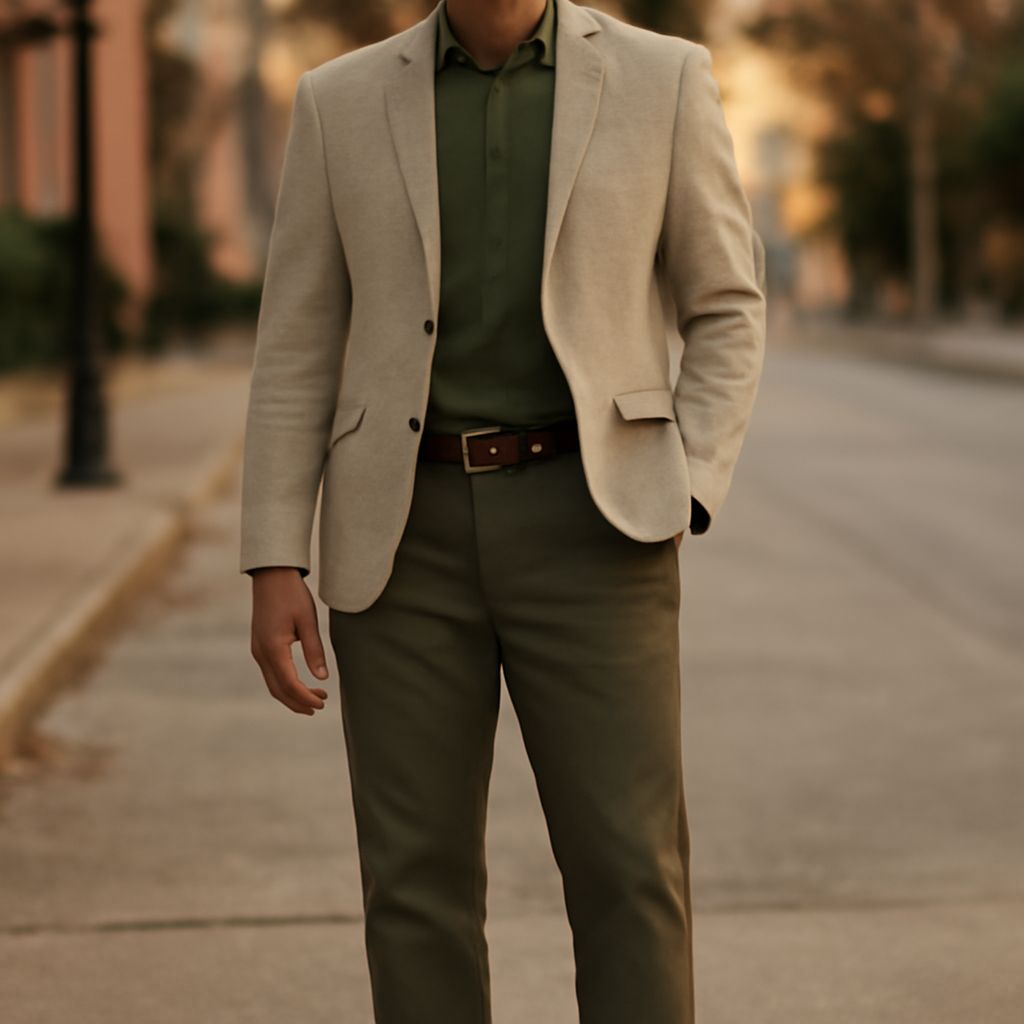
Smart casual. Smart casual adds intention without looking corporate. Try dark, neat denim with a blouse, knit top, or unstructured blazer. Loafers, ankle boots, and minimalist sneakers work well for women. Men can wear chinos or pressed dark jeans with an Oxford shirt, knit polo, or lightweight jacket. A belt and clean leather shoes immediately make the outfit look more finished.
Business formal. This level calls for coordinated tailoring, conservative proportions, and polished footwear. Women might wear a matching pantsuit, a skirt suit, or a tailored sheath dress with a blazer. Men typically wear a dark suit, dress shirt, leather belt, and oxfords or derbies.
Cocktail and evening formal. These categories use dressier fabrics, sharper accessories, and more refined shoes. Think silk, crepe, wool suiting, polished leather, tasteful jewelry, and dress shoes. The invitation’s venue and wording determine how far you move toward evening formality.
Business formal attire women can wear: professional outfit formulas
Business formal attire women can wear should look structured, understated, and ready for a high-stakes professional setting. Choose a matching navy, charcoal, black, or medium-gray suit with a tailored blazer and trousers or a knee-length skirt. A sheath dress with a coordinating jacket also meets the standard.
Keep tops simple and refined. A silk blouse, fine-gauge knit, or crisp button-down in white, blue, cream, or another muted shade works under a suit. Avoid sheer fabric, prominent logos, very low necklines, and excessively short hemlines. Your clothes should skim the body without pulling, bunching, or requiring constant adjustment.
Complete the outfit with closed-toe pumps, polished loafers, or refined flats. A moderate heel is traditional, but a flat works when it has a sleek shape and professional finish. Carry a structured tote or leather satchel, and keep jewelry minimal: small earrings, a watch, or one restrained necklace. Hair, makeup, and nails should look neat rather than highly dramatic.
Casual dress code for men: everyday, smart-casual, and footwear choices
For a casual dress code for men, begin with clean, well-fitting basics rather than old athletic clothing. Dark jeans, chinos, five-pocket trousers, polos, crew-neck sweaters, and casual button-downs provide reliable options. Pair them with low-profile sneakers, desert boots, loafers, or casual leather shoes.
Everyday casual allows T-shirts, relaxed denim, hoodies, and athletic-inspired shoes when the setting supports them. Smart casual requires more polish: replace a graphic tee with an Oxford shirt or merino sweater, and choose loafers or leather sneakers instead of running shoes. Add an unstructured blazer or overshirt when you need another step up.
Fit matters more than expensive labels. Trousers should break lightly over the shoe, shirts should sit smoothly at the shoulders, and footwear should be clean. Avoid distressed denim, stained sneakers, novelty graphics, and clothing that looks designed for exercise unless the event specifically calls for it.
What is casual cocktail attire? Compare event polish with country-club dressing
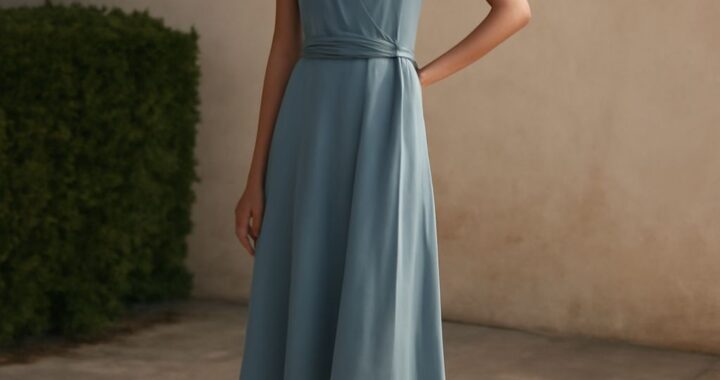
The practical answer to what is casual cocktail attire is a polished party outfit that feels less formal than traditional cocktail clothing. Women can wear a knee-length or midi dress, a tailored jumpsuit, or elegant separates such as a satin blouse with wide-leg trousers. Dressy flats, slingbacks, block heels, or refined ankle boots are suitable.
Men can choose tailored trousers with a dress shirt, fine-knit polo, or subtle patterned shirt. A blazer adds polish but may not be mandatory. Finish with loafers, brogues, or clean leather dress shoes. A tie is usually optional unless the venue or invitation signals higher formality.
Conventional cocktail attire usually looks more elevated. Women might select a fitted or draped dress in silk, velvet, lace, or crepe, then add heels and more noticeable jewelry. Men generally wear a dark suit, dress shirt, dress shoes, and sometimes a tie. Casual cocktail clothing can use brighter colors, relaxed tailoring, and simpler accessories, but it should never look like office casual or weekend loungewear.
A country club dress code usually sits between smart casual and resort polish. Women can wear a polo-style dress, tasteful sundress, tailored trousers with a lightweight blouse, or a skirt with a refined knit top. Wedges, loafers, leather sandals, and clean low-profile sneakers often work, depending on the club’s rules.
For men, country-club attire usually means chinos or tailored shorts, a collared polo or button-down shirt, and loafers, boat shoes, or neat leather sneakers. Add a lightweight sweater or sport coat for dinner. Avoid graphic T-shirts, gym shorts, ripped denim, flip-flops, and visibly worn athletic shoes unless the invitation permits them.
Use this checklist when the dress code is ambiguous:
- Identify the venue, time, and activity. An office, hotel ballroom, patio, and clubhouse suggest different standards.
- Choose the more polished option when you are uncertain, then remove a blazer, tie, or dressier accessory if needed.
- Check whether the event mentions jackets, ties, denim, shorts, or specific footwear.
- Prioritize clean, fitted, coordinated clothing over trend-driven pieces.
- Ask the host or venue for clarification when the wording could affect what you wear.