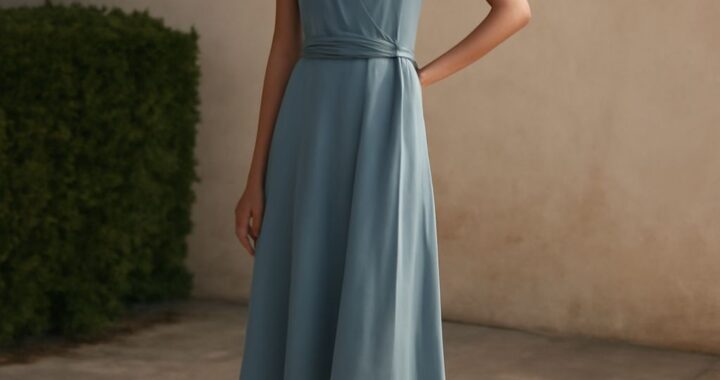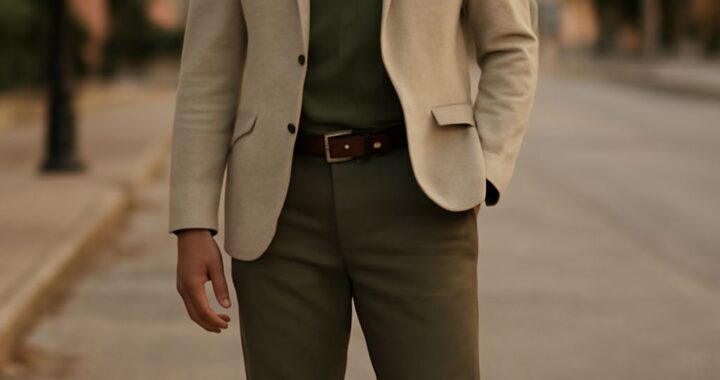
For a wedding guest, casual, cocktail, and semi-formal describe different levels of polish. If you are wondering what is casual dress for a wedding, start with relaxed but intentional clothing rather than everyday errands attire.
Use the invitation, venue, and start time together. A garden ceremony at noon supports lighter fabrics and simpler shoes, while an evening ballroom reception calls for richer materials, sharper silhouettes, and more finishing.
What Is Casual Dress? The Wedding Guest Formality Scale
Think of wedding dress codes as a scale: casual, casual-chic, cocktail, and semi-formal. Each step adds structure, refinement, or evening polish.
- Casual: Choose breathable cotton, linen, jersey, or a neat knit. A sundress, polished jumpsuit, or skirt with a smart blouse works well. Hemlines can fall above or below the knee, and clean sandals, flats, or low block heels suit the setting.
- Casual-chic: Keep the relaxed fabrics but add a defined silhouette, coordinated accessories, and elevated shoes. A linen midi dress with leather sandals looks more considered than a basic beach cover-up.
- Cocktail: Move toward dressier fabrics such as crepe, satin, silk blends, lace, or velvet. A fitted midi dress, tailored jumpsuit, or elegant separates create the expected polish.
- Semi-formal: Use a refined dress or tailored ensemble with a stronger evening finish. Darker colors, dress shoes, elegant jewelry, and a clutch typically make this level more formal than daytime cocktail dressing.
Casual does not mean sloppy, and semi-formal does not always mean floor length. The right choice should look deliberate without exceeding the invitation’s formality.
Casual-Chic Dress Code: Fabric, Silhouette, and Finishing
The casual chic dress code sits between ordinary casual clothing and cocktail attire. You can wear comfortable materials, but the overall outfit should have shape and coordination.
For women, try a printed midi dress in cotton poplin, a solid linen wrap dress, or wide-leg trousers with a fluid blouse. A polished romper can work for a daytime outdoor wedding if the fabric looks substantial and the cut feels refined. Avoid distressed denim, athletic sneakers, gym-style leggings, beachwear, and visibly worn basics.
Choose a silhouette that skims rather than clings. A defined waist, pleated skirt, structured sleeve, or tailored trouser instantly adds intention. Keep the hemline practical for the venue: a knee-length dress works for a casual garden event, while a midi length feels safer for a restaurant or winery.
Finish with leather sandals, ballet flats, loafers, or a low block heel. Add a small shoulder bag, simple earrings, and a light jacket or cardigan. For an outdoor ceremony, select shoes that will not sink into grass and bring a layer for changing temperatures.
Wedding Cocktail Attire: Length, Footwear, and Polish
Wedding cocktail attire usually means dressier than casual-chic but less formal than black tie. A knee-length or midi dress is the most reliable choice, although an elegant jumpsuit or tailored separates can also fit.
Look for crepe, satin, chiffon, lace, polished knit, or subtle jacquard. The silhouette may be fitted, softly draped, or structured, but it should look intentional. A jewel-tone wrap dress, a black one-shoulder midi, or a tailored navy jumpsuit gives you the right level of polish without requiring a floor-length gown.
Wear heeled sandals, pointed pumps, dressy slingbacks, or refined flats. Add a clutch or small structured bag, deliberate jewelry, and a neat hairstyle. Evening weddings generally call for darker shades and more shine; daytime celebrations can support lighter colors, floral prints, and less dramatic accessories.
Cocktail casual attire is a relaxed interpretation, not permission to wear ordinary weekend clothes. It may suit a brewery, backyard, or daytime restaurant wedding when the invitation uses informal wording. Choose one elevated element, such as a satin blouse, embellished shoe, tailored blazer, or sculptural earrings, and keep the rest comfortable.
Semi-Formal Wedding Guest Dresses: The Venue-and-Time Test
When shopping for semi formal wedding guest dresses, prioritize refined construction and a slightly dressier finish than cocktail attire. Midi and tea lengths are dependable; a floor-length dress can work if the fabric remains light and the event does not call for formalwear.
Choose silk, satin, chiffon, velvet, lace, crepe, or a quality dress fabric with enough structure to hold its shape. Good options include a pleated midi dress, an elegant column dress, a tailored jumpsuit with heels, or a dressy blouse with a full skirt. Avoid casual jersey, cotton sundresses, raw linen, and overly revealing clubwear unless the invitation clearly supports them.
Use this decision sequence before choosing an outfit:
- Read the invitation wording. “Casual” permits a simpler look, “cocktail” asks for a polished short or midi outfit, and “semi-formal” favors refined fabrics and accessories.
- Check the venue. A barn, beach, or garden usually benefits from breathable fabrics and practical shoes. A hotel, museum, or upscale restaurant supports sharper tailoring and dressier footwear.
- Consider the start time. For morning or afternoon events, choose lighter colors, prints, and understated jewelry. For evening ceremonies, deepen the color palette and add a more formal shoe or accessory.
- Adjust for the reception. If the ceremony is outdoors but dinner moves indoors, select an outfit that can handle both settings. A removable blazer, wrap, or dressy shawl adds versatility without changing the dress code.
When clues conflict, follow the more formal signal while keeping the fabric and shoes appropriate for the venue. You can always remove a jacket or simplify accessories, but an overly casual outfit is harder to elevate at the last minute.