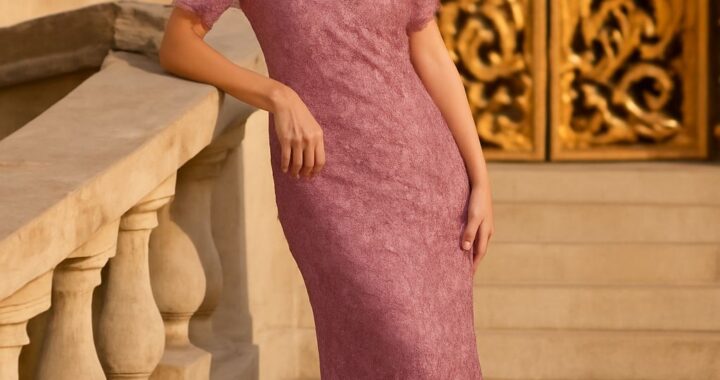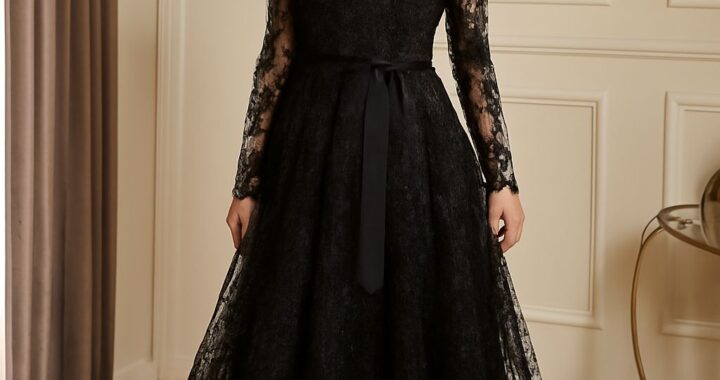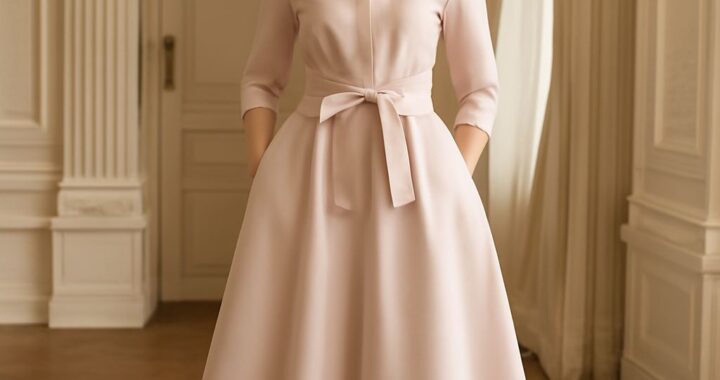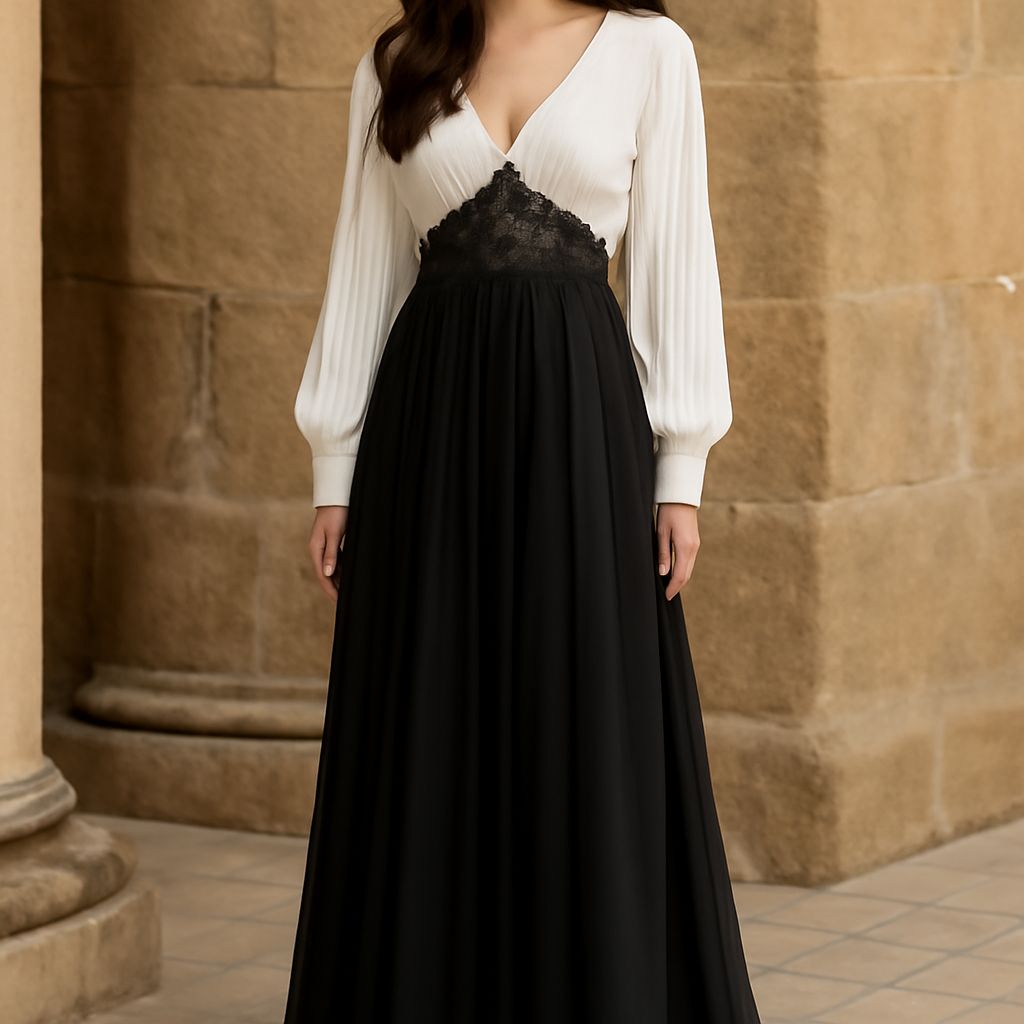
Cheap formal gowns can look polished when you judge construction before decoration. Prioritize a comfortable armhole, mobile sleeves, a lined bodice, secure closures, and a skirt that drapes instead of clinging. This checklist helps you find a formal look without paying for details that do not improve fit.
Compare each gown on your body, not only in photos. Raise your arms, sit, walk, and inspect the side view. A simple silhouette in stable fabric often looks richer than heavy embellishment over weak seams.
How Cheap Formal Gowns Create a Formal Finish
Formal polish comes from proportion and control. A clean neckline, defined waist, smooth lining, and uninterrupted skirt line matter more than sequins. A column gown looks sleek; an A-line gown offers movement; a softly gathered skirt feels less restrictive. Your floor-length hem should nearly skim the floor with event shoes. Excess fabric looks untidy, while a short hem can feel casual.
Check even seams, symmetrical panels, and a level hem. A neat zipper, covered buttons, or finished back closure elevates a low-cost design. Avoid puckering at the bust, waist, or zipper; tension in the pattern may remain visible after minor alterations.
Sleeve Fit in Long Sleeve Formal Gowns
Sleeve fit determines whether long sleeve formal gowns feel elegant or restrictive. Check sleeve length while standing naturally. The cuff should reach your wrist bone or bracelet position without pulling upward when you bend your elbow. A mid-forearm sleeve should look intentional, not accidentally short.
Test the armhole by lifting your arms, reaching forward, crossing them, and sitting. The bodice should move without cutting into your underarm or dragging the waist upward. Check the upper arm, elbow, and cuff separately; tightness at one point limits motion. Stretch lace or jersey can help, but it should recover rather than sag.
Inspect the sleeve lining. Slippery lining glides over skin, while rough seams or exposed mesh can irritate. Confirm room for bracelets.
Budget Fabrics and Construction Details in Cheap Gowns
Budget fabrics look occasion-appropriate when their behavior suits the silhouette. Crepe gives controlled drape; satin reflects light but shows wrinkles and pulls; velvet feels rich but warm; chiffon moves well but needs lining. Stretch knit feels comfortable, yet it may reveal seams or cling. Hold the skirt at several angles and see whether it falls evenly.
Prioritize construction over decoration: a lined bodice, secure waist seams, reinforced stress points, and an even hem. A stable zipper should lie flat, and buttons or hooks should close without gaping. Beads, lace, and appliqués should not scratch or obstruct the sleeve.
With cheap gowns, do not rescue a poor pattern. A missing lining, twisted seam, collapsing neckline, or skirt that catches your legs can cost more to correct than the savings. Minor wrinkles or a slightly long hem are safer bargains.
Where Alterations Deliver the Most Value: An Alteration-First Checklist
Use this alteration-first checklist when comparing inexpensive gowns:
- Price the finished fit. Add likely hem, sleeve, or waist work to the purchase price.
- Confirm the shoulders and armholes first. Shortening a sleeve or taking in a waist is simpler than rebuilding a tight armhole.
- Check the closure and lining. Replace a weak zipper or add a modesty panel only when the gown otherwise lies smoothly.
- Judge the hem and drape. Tailoring can fix length, but badly uneven panels or a twisting skirt may not be worth correcting.
- Test movement and timing. Move for five minutes, then allow time for a final fitting and pressing. If seams pinch, lining twists, or sleeves ride up, keep comparing.