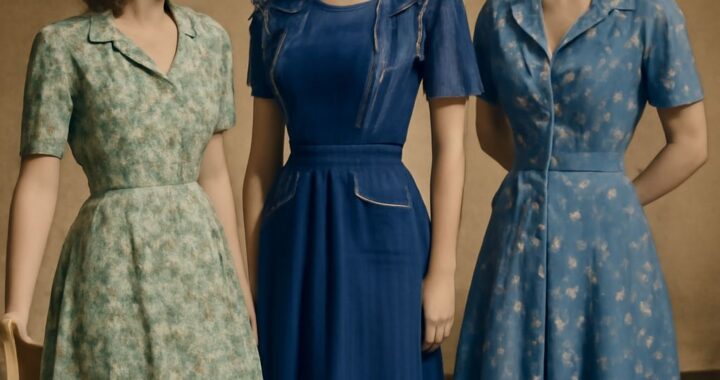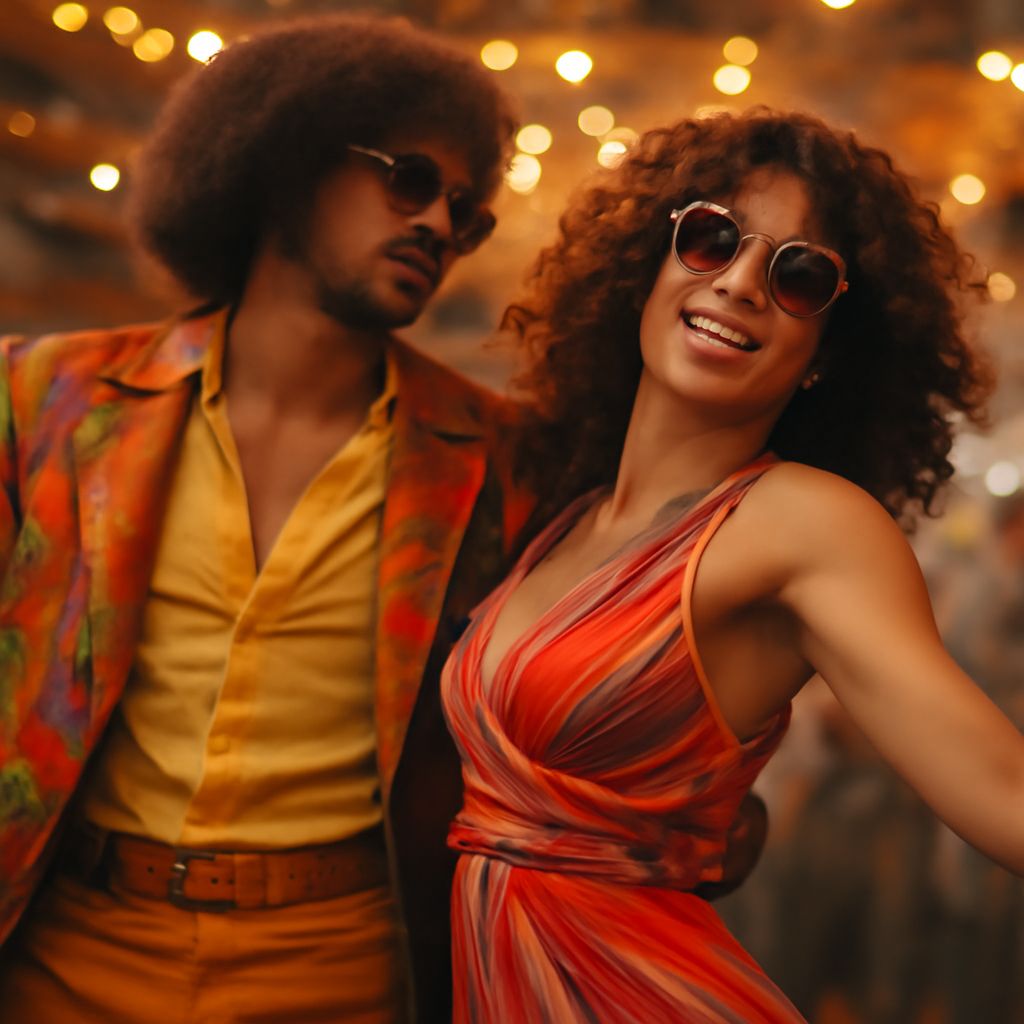
1970s fashion gave you more than one look. The 70s fashion black women wore ranged from wrap dresses and denim to Afro-centered silhouettes, while men moved between flares, workwear, sharp tailoring, and counterculture layers. Disco created the decade’s most reflective, body-conscious branch, but it never represented the whole period.
To understand mens disco fashion, separate nightlife dressing from everyday 1970’s mens fashion. Then compare fabrics, hair, footwear, and accessories across communities and occasions.
The 1970s Style Vocabulary: Mens Disco Fashion Was One Branch
The decade mixed relaxed proportions with deliberate polish. You saw wide-leg trousers, midi and maxi lengths, fitted tops, platform shoes, bold prints, denim, suede, and soft knitwear. Earth tones such as mustard, rust, olive, and brown shared space with saturated orange, purple, turquoise, and metallics.
Cultural movements shaped those choices. Antiwar and counterculture dressing favored utility, vintage pieces, natural fibers, and handmade details. Black cultural pride encouraged styles that centered African heritage, natural hair, and expressive color. Women borrowed trousers and tailored jackets, while men adopted jewelry, longer hair, and more fluid silhouettes. Disco amplified these ideas through shine, movement, and close-fitting cuts.
1970’s mens fashion: Casual, Tailored, and Counterculture
Everyday menswear often started with denim. You could pair bell-bottom jeans with a graphic tee, chambray shirt, denim jacket, or work shirt. Corduroy trousers, hiking boots, sneakers, and shearling coats added practical texture. For a softer casual look, men wore open-collar shirts, knitted polos, turtlenecks, and patterned button-downs.
Tailoring offered a sharper alternative. A wide-lapel suit with a flared trouser, tonal shirt, and leather belt created a polished office or evening outfit without disco sparkle. Leisure suits used knit fabrics and relaxed construction. Counterculture wardrobes went further with military surplus, peasant blouses, embroidered vests, patched denim, fringe, and secondhand garments. These examples show why 1970’s mens fashion cannot be reduced to sequins or dance-floor dressing.
Black Women’s Style: Afros, Wrap Dresses, Denim, and Cultural Influence
Black women shaped the decade’s fashion vocabulary through both personal style and cultural movements. The natural Afro became a powerful statement of beauty, identity, and pride. Braids, head wraps, sculptural accessories, and large earrings added visual emphasis without relying on European beauty standards.
Clothing ranged widely. You might see a brightly printed wrap dress, a flowing maxi with platform sandals, a tailored pantsuit, or high-waisted denim with a fitted blouse. Dashikis and African-inspired prints carried cultural meaning, while denim separates, jumpsuits, and bold knitwear suited everyday life. Designers and performers helped popularize strong shoulders, vivid color, dramatic sleeves, and confident body-conscious silhouettes. This influence reached mainstream fashion, even when retailers removed the cultural context.
Disco Fashion for Men and Women: Flares, Lurex, Platforms, and Shine
Disco was a distinct nightlife aesthetic built for movement and light. Men wore sharply fitted shirts, deep V-necks, flared trousers, satin blazers, jumpsuits, and three-piece suits. Women chose halter dresses, wrap dresses, lamé tops, sequined separates, metallic skirts, and clingy jersey gowns. Both wardrobes favored silhouettes that lengthened the body and moved easily.
Lurex, lamé, satin, polyester jersey, velvet, and sequins caught rotating dance-floor lights. Silver, gold, white, electric blue, and jewel tones made strong statements. Platform boots and platform sandals added height; men also wore heeled boots, while women paired platforms with hosiery or bare legs. Finishing details included wide belts, stacked bracelets, oversized hoops, tinted glasses, scarves, and glossy makeup. Feathered hair, blowouts, curls, and carefully shaped facial hair completed the nightlife look, while Afros and natural styles remained equally important expressions of Black beauty and style.