A loose trouser can hide a surprising amount of bunched fabric. A slim one will announce it immediately. Choosing between boxers and briefs starts with how much coverage and support you like, then moves on to the pants you actually wear. The difference between a brief and a boxer is not merely the length of the leg: one usually fits close, while the other leaves more room.
Boxer briefs sit somewhere in between, with a close fit and legs. None of the three is an automatic winner. A good pair stays where you put it through an ordinary day, without requiring a discreet rearrangement in the elevator.
Brief vs boxer: The shape of each style
Boxers generally have a loose leg and a relaxed fit. Woven cotton versions often feel like a small pair of shorts; knit versions may have more stretch. They give you room around the thighs, but extra fabric can fold under narrow trousers. If you like a loose fit, try them with relaxed jeans, roomy chinos, or sleepwear.
Briefs fit close and leave the legs uncovered. Their compact shape takes up little space under fitted pants, and the close cut offers a held-in feel. Coverage varies: a higher rise reaches farther up the waist, while a lower rise sits closer to the hips. If you dislike fabric around your thighs, this is the most direct option.
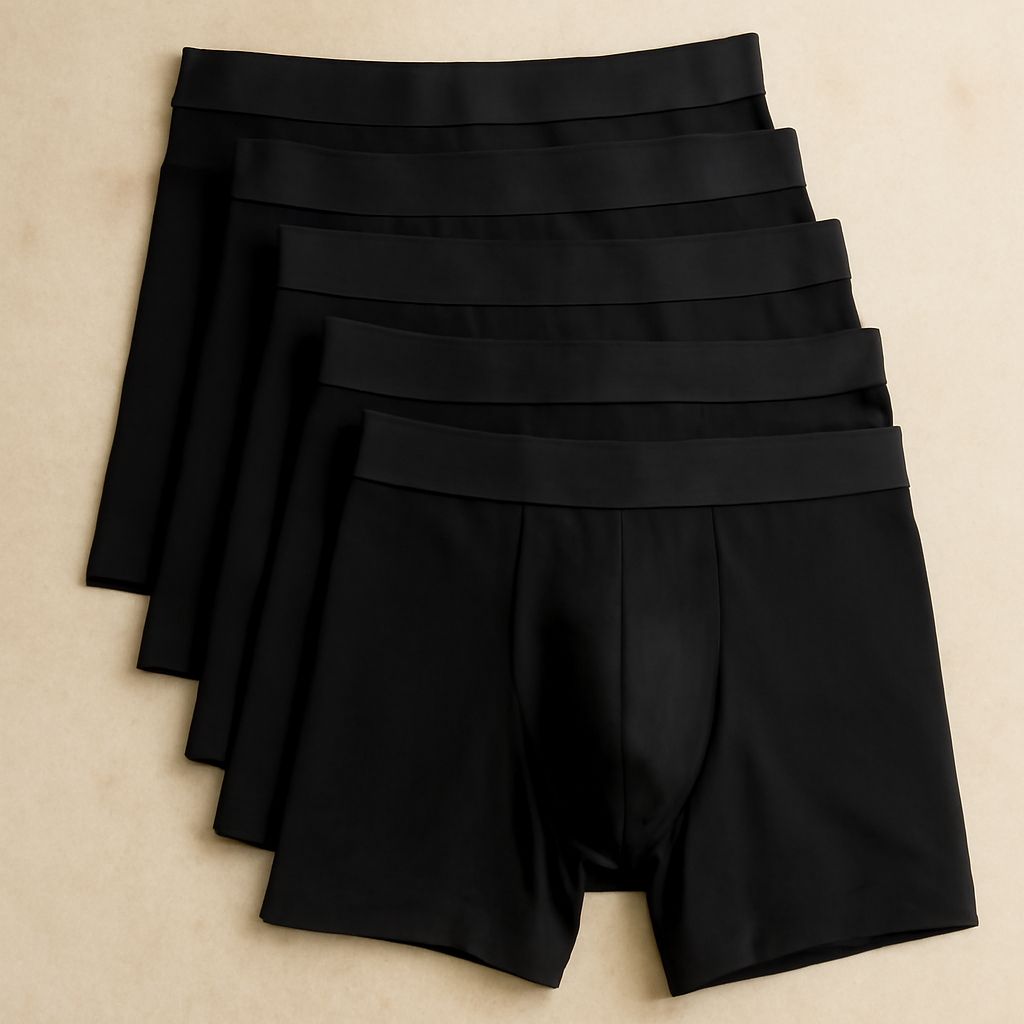
Boxer briefs combine a close fit with a leg. Depending on the design, that leg can be short like a trunk or extend farther down the thigh. They offer more thigh coverage than a brief and less loose fabric than a traditional boxer. When considering boxers, briefs, or boxer briefs, start with whether you prefer fabric to skim your thigh or leave it bare.
In a brief vs boxer comparison, the best choice is the one that stays comfortable beneath your particular clothes. A loose pair may feel lovely with wide-leg trousers and become a tiny accordion under a slim suit. A close pair can look smooth but feel too snug if the size or cut is wrong.
Match the cut to your clothes
For slim trousers, start with a close-fitting shape. Briefs avoid a leg hem altogether, while a short or longer boxer brief can sit smoothly if its leg stays flat. Put on your trousers, sit, stand, and walk. Look for a rolled edge at the thigh or an elastic line showing through the fabric. Thin or light-colored pants make those details more visible.
For loose pants, you have more room to choose by feel. Traditional boxers can move freely under relaxed denim; a close-fitting pair gives a neater layer if you prefer less fabric. To decide between briefs or boxers, think about whether the sensation of a snug waistband and close fit appeals to you more than a roomy leg.
Under shorts, check the inseam—the length from the crotch seam to the bottom of the leg. If you do not want underwear to show, compare that length with your shorts while standing and sitting. A longer leg can peek out when you sit, even if it stays hidden when you stand. A short trunk or a brief solves that particular wardrobe problem.
For a boxer or briefs decision before a long day at a desk, try your usual trousers over each shape. A waistband that folds when you sit or a leg that creeps upward will make itself known well before lunch. Choose the pair that remains comfortable without repeated adjusting.
Fabric, seams, and waistband
Cotton is a common choice in both woven and knit underwear. Woven fabric usually has less give unless stretch fibers are added; a cotton knit can move more with the body. Blends with elastane or spandex add stretch, while synthetic fabrics such as polyester or nylon can feel smooth and light. The exact feel depends on the fabric and construction, so read the composition label rather than relying on the style name.
Seams can be nearly invisible under substantial denim and noticeable under thin trousers. Feel the inside of the waistband and leg openings, and look at where seams sit when the garment is worn. Flat seams may feel less prominent to some people; a smooth edge that stays in place matters more than an impressive description on a package.
A waistband should lie flat without rolling, pinching, or leaving you tugging at it. It should also hold its position when you bend. Between a boxer and a brief, compare the rise as well as the waist measurement: the same size can sit differently on your body. If you are between sizes, consult the brand’s chart and measure where it directs you; resist assuming that your trouser size translates exactly.
Leg openings deserve equal attention. On a close-fitting style, they should rest against the thigh without a tight band or a loose edge that gathers under pants. With roomy shorts, make sure the leg does not twist inside your trousers. A small fit problem becomes a repetitive problem once you start walking.
Test before buying a drawerful
Start with one pair in a fabric and rise you like, then wear it under the clothes you use most. For the boxers-versus-briefs question, a day of sitting, walking, and taking the stairs will tell you more about your preferences than the package’s photograph. Notice whether the waistband shifts, the seams bother you, or a leg hem rolls.
If you are comparing boxers with briefs, keep the trousers constant for a fair test. Then try a boxer brief if you want a closer fit with more leg coverage. Buy more only after washing the first pair according to its label and checking that you still like its fit. Retailers may restrict returns on underwear, so read the policy before purchasing.
The boxer or briefs choice can also vary by outfit. Keep a close-cut pair for tailored trousers and a roomier pair for relaxed weekends if both feel good to you. There is no reason every hanger in the closet needs the same partner in the drawer.
If you prefer space around the thighs, choose boxers under roomier pants. If you want a close fit without leg fabric, try briefs under slim trousers. For a close fit with more coverage, test boxer briefs in a leg length that stays flat and remains hidden beneath your shorts. Your clothes—and your preference for room or support—make the final call.