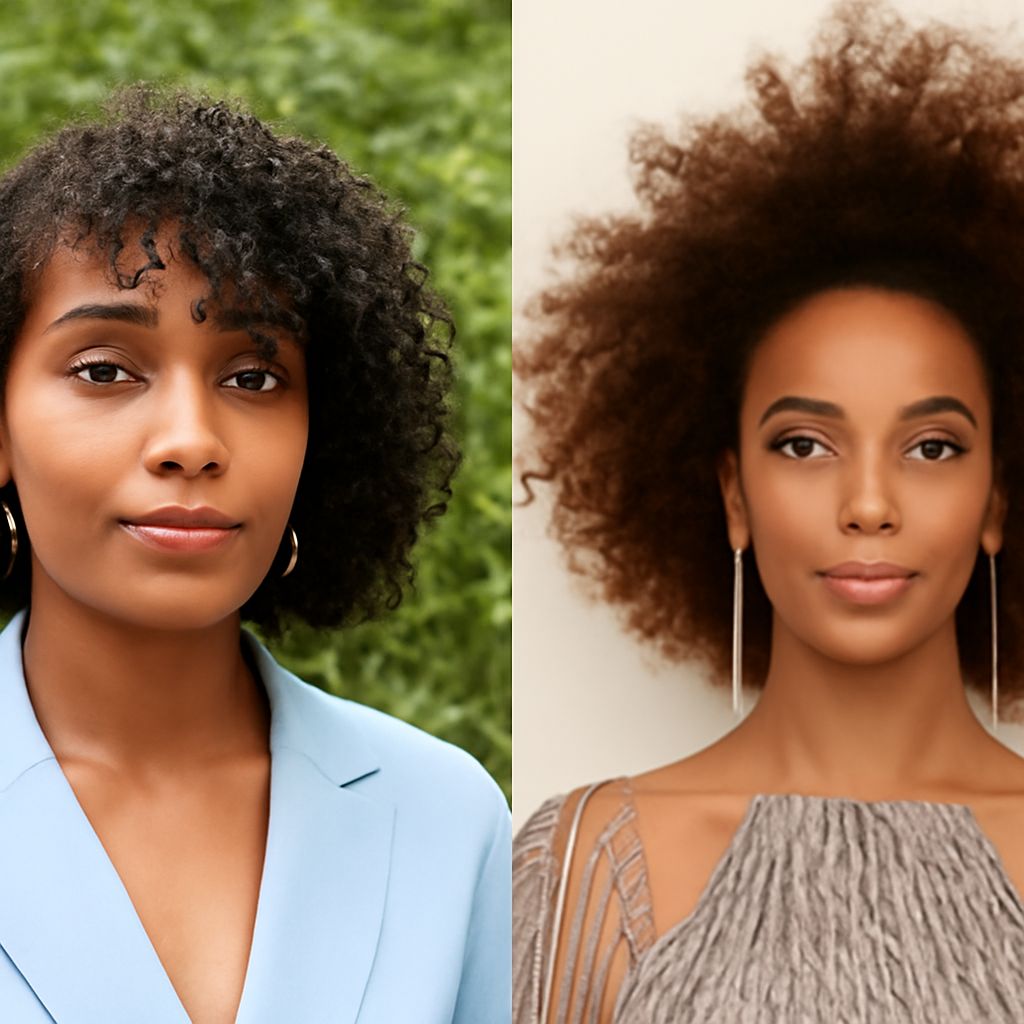
Exploring the mystery of black hair leads us to question: is there such thing as black hair? While many people describe their hair as black, the science behind hair color tells a more nuanced story. Understanding how pigments work can clarify what we see as black hair.
The Science Behind Hair Color
Hair color is determined by the type and amount of melanin present in the hair shaft. There are two primary types of melanin: eumelanin and pheomelanin. Eumelanin is responsible for darker shades like brown and black, while pheomelanin gives hair red and yellow tones. The concentration and combination of these pigments result in the wide spectrum of human hair colors.
Is Black Hair Truly Black?
Scientifically, hair that appears black is not purely black. It is the result of a high concentration of eumelanin, giving it a very dark brown appearance that our eyes perceive as black. In reality, no hair color is completely devoid of pigment variations. Under certain lighting, what looks like black hair may reveal tints of brown or even blue, indicating the complex interplay of pigments.
The Role of Pigments in Hair Color
As mentioned, eumelanin is the dominant pigment in what we call black hair. Higher levels of eumelanin result in darker shades. Pheomelanin, though less prevalent, can contribute to subtle undertones. The exact distribution of these pigments can differ from person to person, affecting the overall hue and intensity of the hair color.
- Eumelanin: Provides shades ranging from brown to black. More eumelanin leads to darker hair.
- Pheomelanin: Adds red and yellow hues, often less noticeable in black hair but contributing to undertones.
Perceptions and Realities of Black Hair
Various cultural and personal perceptions influence how we describe and understand black hair. Socially, black hair is often seen as a distinct color, carrying various connotations and significance in different cultures. However, from a scientific standpoint, it is the darkest form of brown. Recognizing this distinction helps in appreciating the complexity and beauty of all hair types.
In conclusion, while black hair is a commonly accepted description, it is essential to recognize the subtle nuances in color and pigment that contribute to what we perceive as black. This understanding encourages a deeper appreciation for the diversity of human hair color.