Neroli, a fragrant oil derived from the blossoms of the bitter orange tree, has captivated fragrance enthusiasts around the world. Known for its sweet, honeyed aroma with hints of citrus, neroli is a staple in many perfumes and beauty products. But what makes this enchanting scent so beloved? Let’s explore the origins and uses of the neroli flower and see why it’s a cornerstone in the world of fragrances.
Introduction to Neroli
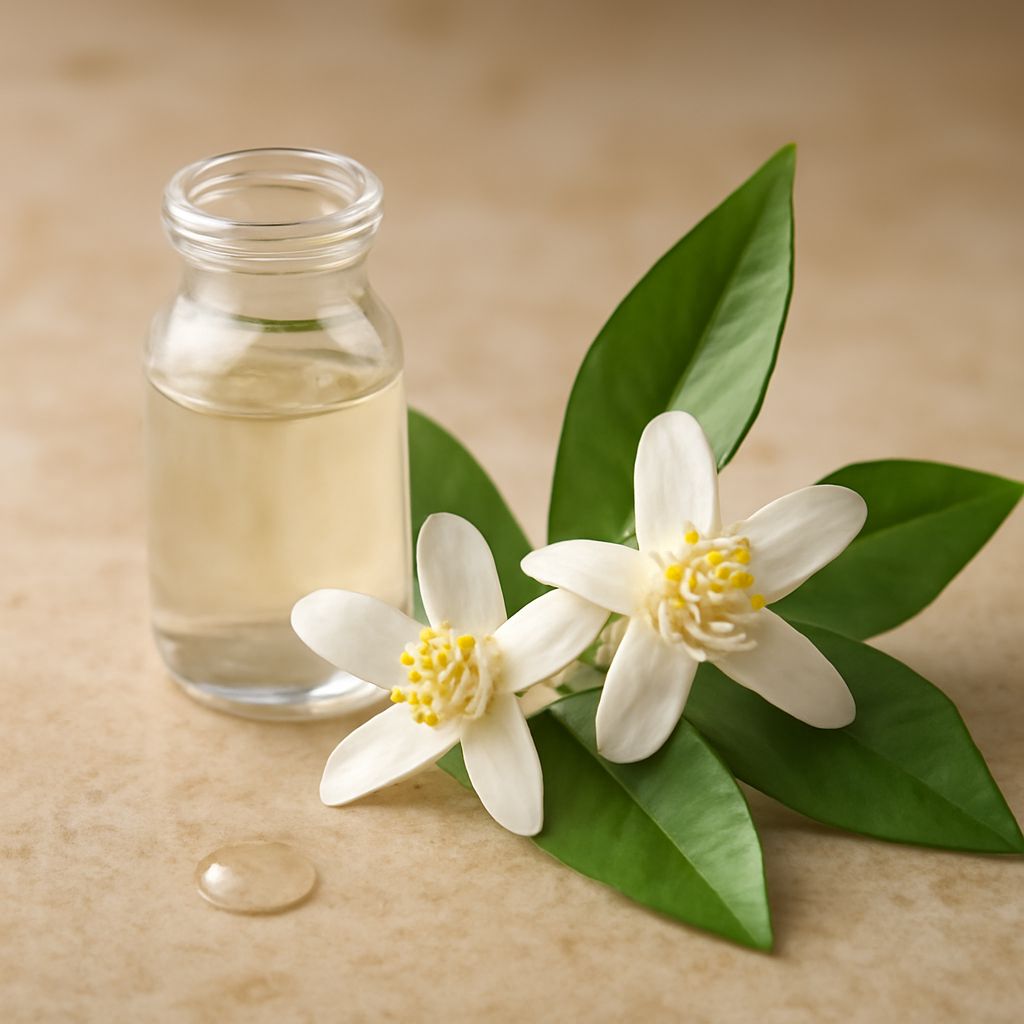
Understanding what neroli is begins with its source: the delicate blossoms of the bitter orange tree, scientifically known as Citrus aurantium. These blossoms are harvested and steam-distilled to produce neroli oil, a luxurious ingredient in perfumery and skincare. The oil’s unique scent profile—fresh, floral, and slightly spicy—makes it a versatile component in both men’s and women’s fragrances.
The Origins of the Neroli Flower
The neroli flower has a rich history, with its origins tracing back to the Mediterranean region, particularly in Italy and Tunisia. The name “neroli” is believed to have been inspired by Princess Anne Marie Orsini of Nerola, Italy, who popularized the use of the oil as a perfume in the 17th century. Today, the blossoms are carefully harvested by hand during their peak bloom to ensure the highest quality of oil.
Why Neroli is a Popular Fragrance Ingredient
Neroli is cherished in the fragrance industry for its multifaceted aroma and ability to blend well with other scents. Its light, sweet, and slightly bitter notes can enhance floral compositions or add depth to citrus and woody fragrances. Beyond its olfactory appeal, neroli oil is also valued for its calming and mood-boosting properties, making it a popular choice in aromatherapy.
How to Incorporate Neroli in Your Beauty Routine
Incorporating neroli into your beauty routine can be as simple as choosing a perfume that features this exquisite scent. Look for perfumes labeled with neroli, or explore essential oils for a more concentrated experience. You can also find neroli in skincare products, where its antimicrobial and anti-inflammatory properties may benefit those with sensitive or acne-prone skin. Add a few drops of neroli oil to a diffuser to enjoy its soothing aroma at home.