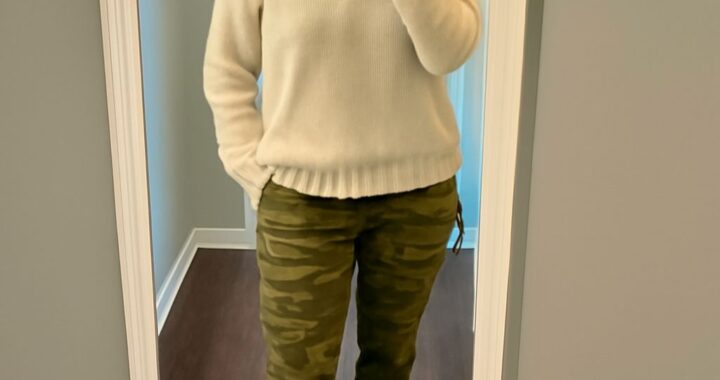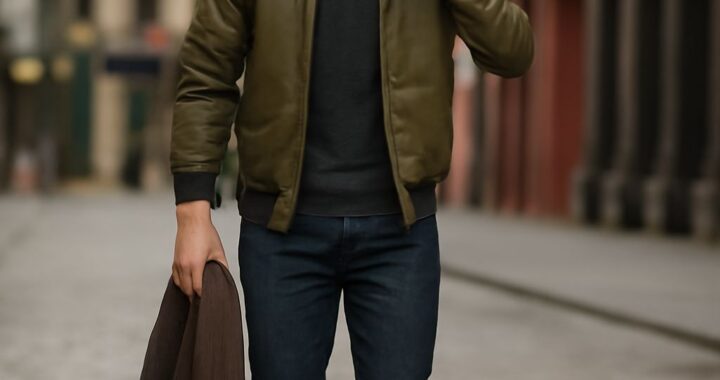
A pair of clean, comfortable trousers and a simple top can take much of the guesswork out of dressing for a court appearance. Add a cardigan or jacket and shoes you can walk in, and you have a practical place to start. Jeans are permitted by some courts and restricted by others, so the particular court’s instructions matter before denim goes into the plan.
Can You Wear Jeans to Court? Two Different Rules
Yes, at some courts. No, at others. For example, the U.S. District Court for the Northern District of Texas, Fort Worth Division says jeans are acceptable for petit jurors. The U.S. District Court for the Eastern District of New York tells jurors not to wear jeans and asks for business or business-casual attire.
Can you wear jeans to court as a witness or party? These examples govern jurors, so check the instructions for your own role before applying either rule. If wearing jeans at court is permitted for your appearance, a clean pair without holes or heavy distressing, paired with a plain top and a neat layer, makes an understated outfit. If the published instructions prohibit denim, choose slacks, chinos, or another permitted alternative. Black jeans are still jeans; a different dye does not turn them into dress pants.
If you are unsure whether denim is allowed in your courtroom, look for the instructions attached to your summons or posted by that court. A juror, a party, and an attorney may receive different guidance. If the written rule does not answer your question, the court clerk or jury office can direct you to the right information. If non-denim pants are available, they offer a straightforward alternative while you clarify the rule.
Start With Clothes You Already Own
Look first for clean pieces that fit comfortably and provide the coverage your court requires. A plain blouse or knit top with trousers is a useful combination. A simple dress with a cardigan can work too, as can a blouse and a skirt that stays comfortable while seated. A matching suit is one option, not a purchase every visitor needs to make.
When deciding what to wear to court, female visitors can build an outfit around one familiar piece: dark trousers, a long-sleeved blouse, or a dress with a comfortable waistband. Add a layer and shoes that work for the walk from the entrance to the courtroom. The result can be polished without feeling like a costume borrowed for the day.
A neutral base is easy to combine, but it need not be entirely black. Navy trousers with a cream top, a charcoal skirt with a muted blue blouse, or a solid-colored dress with a cardigan can all look composed. Choose pieces that stay in place when you sit and stand, rather than a collar that needs attention every thirty seconds.
Three Outfit Formulas
These women’s clothing choices for a court visit use common wardrobe pieces and leave room for the court’s specific instructions:
- Trousers and a blouse: Pair straight-leg slacks or chinos with a plain blouse, then add a cardigan. Flats or low-heeled shoes finish the combination. If the waistband digs in when seated, choose a more comfortable pair.
- A simple dress and layer: Choose a dress that provides the coverage required by the court and allows a normal stride. A cardigan or jacket adds warmth and can cover the shoulders if needed. Test the hem while sitting, not just while standing in front of a mirror.
- Skirt and knit top: Combine a comfortable skirt with a plain, opaque top and a jacket or cardigan. Shoes with a secure fit make the walk through the building easier. If a skirt twists or rides up when seated, adjust the fit or choose trousers.
When planning clothing for a hearing, consider the trip as well as the room. A courthouse may involve public transit, a security line, stairs, or a long wait. A flat shoe that stays on your foot can be more useful than a heel that looks elegant only while you are standing still.
Fit, Coverage, and Temperature
A court outfit for a woman does not need elaborate tailoring to look considered. For women choosing clothes for a court hearing, fit and coverage are more useful guides than a designer label. Check that buttons stay closed when seated, fabric is opaque in ordinary light, and the waistband allows comfortable breathing. If a top shifts when you reach for a bag, a camisole or a different layer can help it stay in place.
Courtrooms can be cool. The Central District of California’s juror guidance recommends a sweater or jacket for that reason. A removable layer gives you a choice if the waiting area is warmer than the courtroom. Keep it simple enough to put on and take off without rearranging the entire outfit.
When choosing what to wear to a court hearing, footwear deserves the same practical attention as the clothes. Choose a pair you can walk in securely and that meets the court’s rules. Some courts restrict flip-flops or other casual footwear. If an accessible shoe, medical device, religious garment, or other accommodation is needed, contact the court in advance about its process rather than leaving the question until the security line.
Check the Rule for Your Appearance
What to wear in court can differ by location and by role. Read the court’s published visitor or juror instructions, any notice you received, and any instructions from the judge for your proceeding. Look for specific restrictions on denim, shorts, hats, footwear, or clothing with messages. The Superior Court of California, County of Kern lists shorts, tank tops, and flip-flops among items not allowed when attending court; another court may use different wording.
If buying something is difficult, begin with the neatest suitable clothing you have. A plain top and non-denim trousers can be more practical than an expensive outfit you will never wear again. If jeans are your only available option for court and the local rule is unclear, ask the court office about acceptable options. The answer may save an unnecessary purchase and a last-minute change.
Try Everything Together
The evening before, put on the complete outfit, including shoes and the layer you plan to bring. Sit down, stand up, and walk across the room. Check that the waistband, hem, and footwear remain comfortable and that the pieces meet your court’s published instructions. Lay out the outfit and any required documents so the next morning has one fewer decision.