When it comes to men’s hairstyles, understanding the difference between a taper haircut and a fade can help you make an informed choice for your next salon visit. Both styles are popular for their clean, modern look but offer distinct results. This guide will explore what a taper is and how it compares to a fade haircut, providing you with the insights needed to decide which style suits you best.
What is a Taper Haircut?
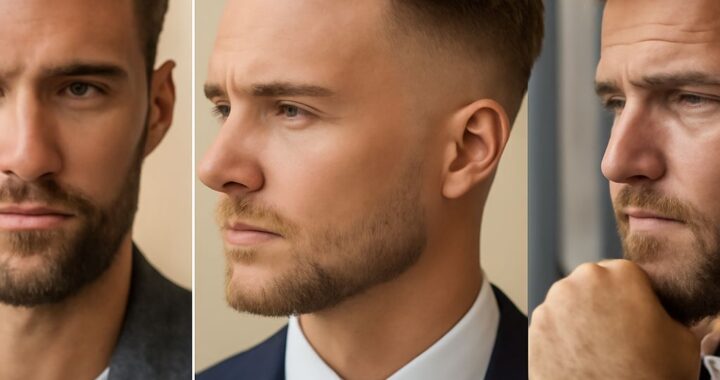
A taper haircut is a classic style where the hair gradually shortens from the top down to the neckline. The key characteristic of a taper is its gradual transition, which leaves some length on the sides and back while blending seamlessly into the longer hair on top. This subtle graduation offers a neat and sophisticated look suitable for both professional and casual settings. The taper can vary in length, allowing for personal customization based on your preferences and face shape.
Taper vs. Fade: Key Differences
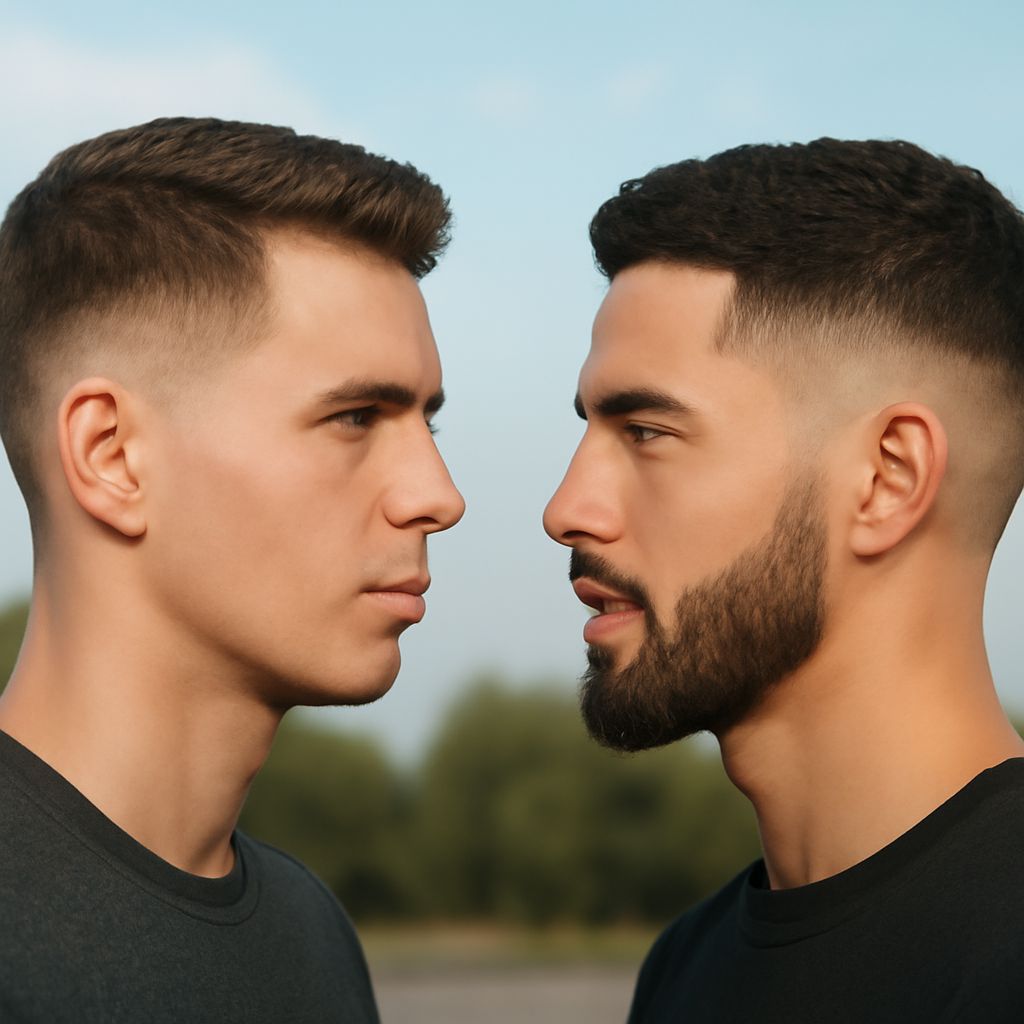
While both taper and fade haircuts involve a transition from longer to shorter hair, the execution and final appearance differ significantly. The taper maintains a more gradual transition, whereas a fade creates a more dramatic contrast by cutting the hair very close to the skin at the bottom. Fades come in various styles, such as low, mid, and high fades, each defined by how high up the head the shortest hair begins. A haircut fade can often create a bolder, edgier look compared to the softer, more conservative finish of a taper.
Choosing Between a Taper and a Fade
Your choice between a taper and a fade depends on personal style preferences and lifestyle needs. If you seek a versatile haircut that can seamlessly transition from a professional office setting to a relaxed weekend outing, a taper might be the ideal option. Its subtle blend suits various face shapes and hair types, providing a timeless elegance. On the other hand, if you’re aiming for a contemporary and striking appearance, a fade offers a fresh and sharp aesthetic. Consider how much maintenance you’re willing to invest; fades generally require more frequent trips to the barber to maintain their precise lines.
Additionally, consider your hair’s natural texture and growth patterns. A taper works well with most hair types, including curly and wavy hair, as it retains more length and body. A fade can accentuate straight and fine hair, giving it a more structured look. Ultimately, both styles can be tailored to your preferences, but understanding these fundamental differences will ensure you achieve the desired look.