Floral scents can feel airy, creamy, green, powdery, or richly sweet. This perfume guide explains how notes, fragrance families, and concentration work together so you can choose a scent that suits your taste and lifestyle.
The most reliable way to find a signature scent is to identify the families you enjoy, test a short list on skin, and judge each fragrance after it dries down. A perfume’s opening can be appealing, but its middle and base reveal whether you will want to wear it all day.
How Perfume Notes and Fragrance Families Work
Notes describe the individual smells used in a fragrance. Fragrance families group perfumes by their overall character. A rose note may appear in a fresh, amber, or woody perfume, while a citrus fragrance can feel sparkling, green, or creamy depending on its surrounding notes.
Most perfumes develop in three stages:
- Top notes: The first impression, usually lasting several minutes to about half an hour. Citrus, herbs, light fruits, and aromatic ingredients often create the opening.
- Middle notes: The heart of the fragrance, which becomes clearer as the top notes fade. Flowers, spices, tea, and fruit commonly shape this stage.
- Base notes: The longest-lasting foundation. Woods, musk, amber, vanilla, moss, and resins add depth and remain close to your skin.
This note structure is a timeline, not a family classification. A perfume can open with bergamot, develop into jasmine, and settle into sandalwood while still belonging mainly to the floral or woody family. Notes also do not always appear in perfectly separate stages. Modern formulas can reveal several materials at once.
When you read a fragrance description, first ask two separate questions: What ingredients can I smell? and What overall mood does the perfume create? The first identifies notes; the second helps you recognize the family.
Floral Scents: The Floral Family and Its Neighbors
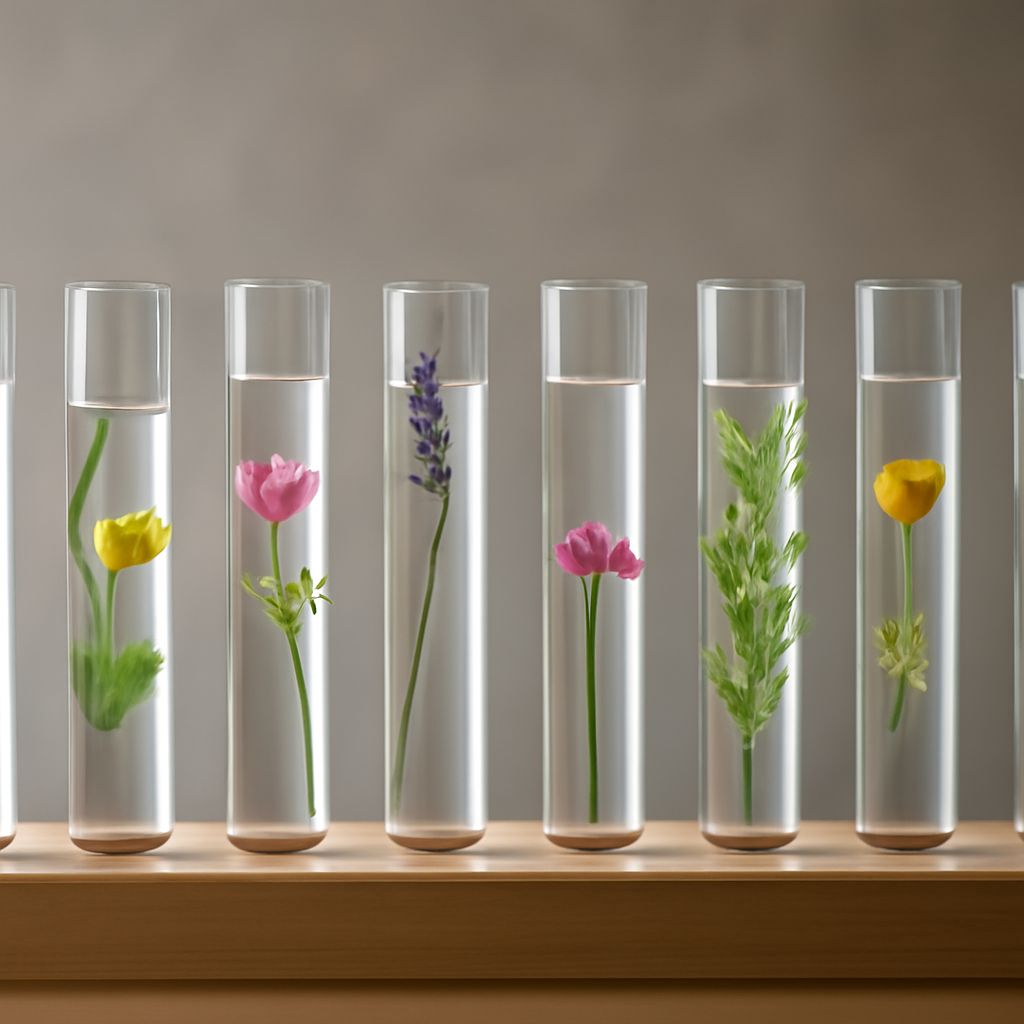
The floral family centers on flowers, either as a single dominant note or as a bouquet. Rose can smell dewy, romantic, or lightly peppery. Jasmine often adds a warm, creamy, or slightly indolic quality. Orange blossom can feel bright and honeyed, while iris tends to create a cool, powdery effect. Tuberose and gardenia usually bring a lush, white-floral intensity.
Floral perfumes range from sheer and office-friendly to dramatic and evening-ready. Look for words such as petals, bouquet, blossom, powdery, or white floral. If you like flowers but dislike sweetness, seek green, citrus, tea, or musky accents. If you want a richer result, try floral perfumes paired with vanilla, amber, fruit, or woods.
Several neighboring families help explain why floral perfumes can feel so different:
- Fresh: Clean, airy, watery, green, or citrus-led. Think lemon, bergamot, mint, cucumber, aquatic notes, or freshly cut leaves.
- Woody: Dry, smooth, earthy, or creamy. Cedar, vetiver, patchouli, sandalwood, and guaiac wood can make a floral perfume feel more grounded.
- Amber: Warm, resinous, spicy, and enveloping. Vanilla, labdanum, benzoin, cinnamon, and amber accords give flowers a sensual finish.
- Gourmand: Edible-smelling and often sweet, with notes such as caramel, chocolate, praline, coffee, honey, or vanilla.
These categories can overlap. A rose perfume with citrus and green leaves may feel fresh, while rose with patchouli and vanilla may feel woody or ambered. The family tells you the dominant impression, not every ingredient in the formula.
The Major Types of Scents, From Fresh to Woody
Learning the major types of scents gives you a practical vocabulary for describing what you like. Use the following profiles as starting points rather than strict rules.
- Fresh and citrus: Crisp, energetic, and easy to wear. Lemon, grapefruit, orange, bergamot, neroli, and watery notes create a clean impression. These perfumes often work well in warm weather or casual settings.
- Green and aromatic: Herbal, leafy, or slightly bitter. Basil, rosemary, lavender, tomato leaf, galbanum, and sage can feel natural and refreshing. Choose this profile when you prefer outdoorsy scents over sweetness.
- Floral: Petal-centered, ranging from delicate violets and lily of the valley to powerful jasmine, tuberose, or gardenia. Floral perfumes can be light, creamy, powdery, spicy, or richly sweet.
- Woody: Dry, polished, smoky, earthy, or soft. Cedar often smells crisp, vetiver can feel rooty and grassy, and sandalwood usually feels creamy. Woods can add structure to almost any family.
- Amber and spicy: Warm, glowing, resinous, and often long-lasting. Vanilla, incense, labdanum, saffron, pepper, and cinnamon create depth and a more enveloping feel.
- Gourmand: Sweet and edible, with dessert-like notes. Coffee, cocoa, caramel, almond, and toasted sugar can make a fragrance playful, cozy, or highly noticeable.
Do not choose only by a note you recognize. You may love vanilla in food but dislike a dense vanilla perfume, or enjoy fresh citrus yet prefer it over a woody base. Evaluate the complete scent, its sweetness, its texture, and how much attention it attracts.
Types of Fragrances: Concentration, Skin Testing, and a Repeatable Choice
Concentration describes the approximate amount of aromatic material in the formula. It is separate from the fragrance family. An eau de parfum can be floral, woody, fresh, or gourmand, just as an eau de toilette can belong to any of those families.
- Eau fraîche: Very light and short-wearing, often with a strong refreshing effect.
- Eau de cologne: Traditionally light and citrus-focused, though modern formulas vary.
- Eau de toilette: Usually lighter and more transparent than eau de parfum, with moderate wear.
- Eau de parfum: Often fuller and longer-lasting, making it a flexible everyday choice.
- Parfum or extrait: Typically the richest and most concentrated style, with a dense texture and slower development.
These labels suggest intensity, not guaranteed performance. Ingredients, formula design, climate, and your skin all affect longevity. A light citrus may fade quickly, while a woody or musky eau de toilette can last for many hours.
Use this ordered process to find a signature scent:
- Map your preferences. Write down three perfumes or scented products you enjoy. Mark their shared qualities, such as fresh, floral, woody, powdery, sweet, clean, or smoky. Also list two qualities you want to avoid.
- Choose one family at a time. Start with three or four perfumes from your strongest preference. Include one familiar style, one lighter variation, and one option that changes a single element, such as adding woods to a floral.
- Smell on paper first. Spray each fragrance on a separate blotter and label it. Wait several minutes, then remove options that feel harsh, too sweet, too heavy, or unlike your preference.
- Test no more than two fragrances on skin. Apply one to each wrist or inner arm without rubbing. Skin warmth and natural oils can change sweetness, freshness, and projection.
- Check three stages. Note your reaction immediately, after 30 to 60 minutes, and again after several hours. Record the opening, heart, drydown, strength, and whether you still want to smell it.
- Retest before buying. Wear the leading choice through a normal day. Choose it when the drydown remains pleasant, the projection fits your setting, and you can imagine reaching for it repeatedly.
Your preference map should finish with a usable profile, such as “airy floral with citrus and soft musk” or “dry woods with spice and gentle vanilla.” That description makes it easier to compare different scents without chasing every new release.