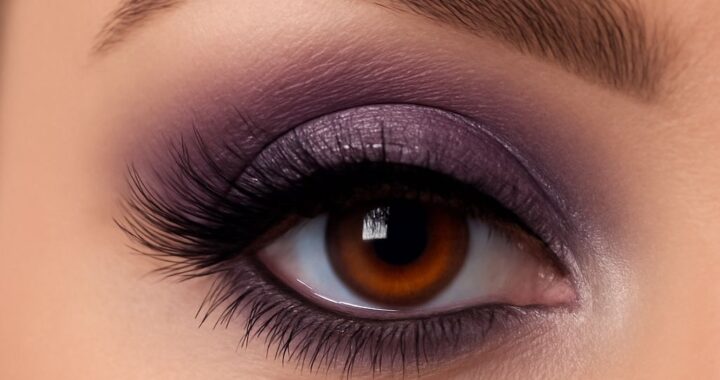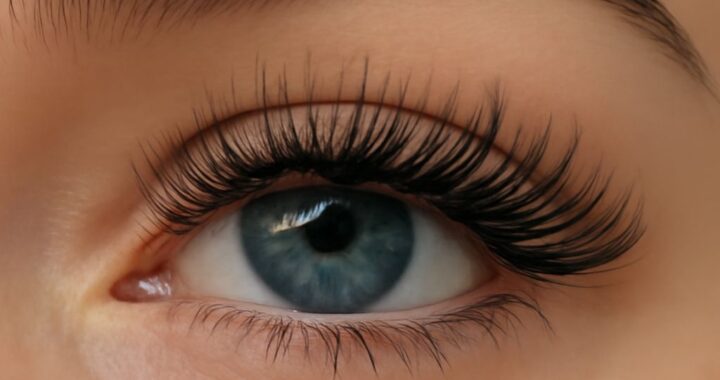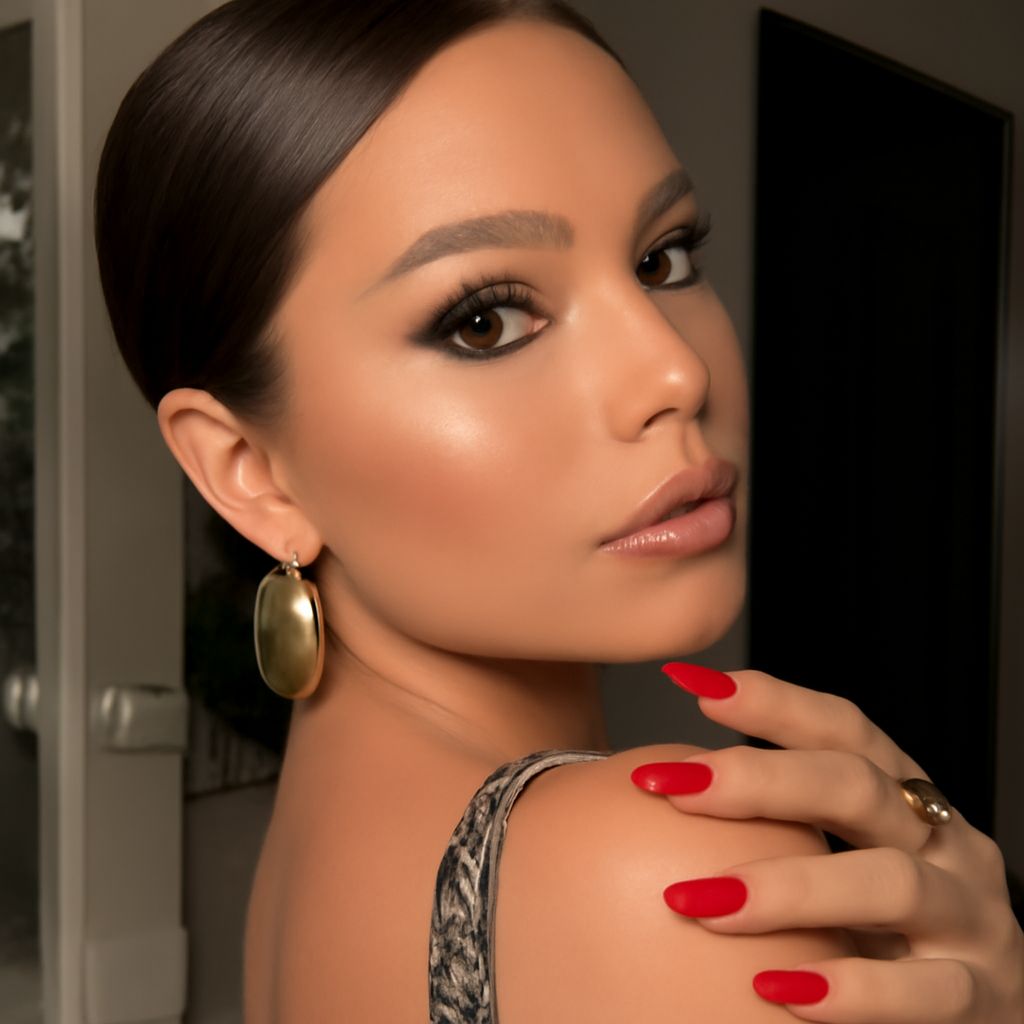
For the most flattering eyeshadow looks for brown eyes, start with undertone, then add contrast through finish and accent color. Bronze, copper, plum, navy, and rose tones can make brown irises look richer without overwhelming them.
Hazel eyes need a slightly different plan. Plum and burgundy emphasize their green, while antique gold, bronze, and copper bring forward golden flecks. Use the guide below to build a coordinated palette instead of collecting unrelated shades.
Plan eyeshadow looks for brown eyes by undertone
Brown eyes usually contain warm, neutral, or cool undertones. Check the iris in natural light: amber or honey flashes suggest warmth, while gray, espresso, or muted taupe suggests a cooler direction.
- Warm brown eyes: Choose bronze, copper, terracotta, warm gold, caramel, and chocolate. These shades echo the iris and create a softly blended, luminous look.
- Cool brown eyes: Try mauve, plum, burgundy, pewter, charcoal, and blue-based navy. Their cooler contrast makes deep brown eyes appear clearer.
- Neutral brown eyes: Combine warm metallics with mauve, olive, or deep navy. Your eyes can support both golden harmony and stronger contrast.
Keep the finish in mind. Matte browns create structure, satin neutrals soften the transition, and metallic bronze or copper adds light to the center of the lid. A deep matte shade generally gives more definition than a glittery one.
Choose an eyeshadow base and four shade roles
An eyeshadow base smooths the lid, improves adhesion, and helps color appear more even. A skin-toned matte base keeps shades true and reduces discoloration. A white or pale base makes bright colors look lighter, while a black or charcoal base deepens metallics and smoky shades. A colored cream base also shifts the result: bronze beneath gold intensifies warmth, while plum beneath purple increases richness.
Apply a thin layer from the lash line to the crease, then lightly set it if your lids crease easily. Build your palette with four simple roles:
- Light: Choose ivory, champagne, soft beige, or pale pink for the inner corner and brow bone.
- Midtone: Select a matte caramel, taupe, rose-brown, or soft mauve for the crease.
- Depth: Add espresso, chocolate, plum, charcoal, or deep navy for the outer corner and lash line.
- Accent: Pick one reflective or colorful shade, such as copper, bronze, antique gold, burgundy, or teal.
For a compact selection, choose one light, two midtones, one depth shade, and two accents. Keep at least two shades matte so shimmer does not become your only source of definition.
Find the best eyeshadow color for hazel eyes: green and gold accents
The best eyeshadow color for hazel eyes depends on which flecks you want to highlight. Choose a contrasting family rather than matching the entire iris.
- To bring out green: Use plum, violet, aubergine, burgundy, and reddish brown. A matte plum in the crease or along the lower lash line creates especially clear contrast.
- To bring out gold: Use antique gold, bronze, copper, warm champagne, and honey brown. Metallic shades catch golden flecks when placed on the center lid.
- To balance both: Pair a matte taupe or neutral brown with one plum accent and one bronze accent. This combination adapts as the light changes.
Olive can work beautifully on hazel eyes, but it creates harmony rather than strong contrast. Use it when you want a soft, tonal look; choose plum when you want the green to stand out.
Build a custom eyeshadow palette for day and evening looks
Build your custom eyeshadow palette around one neutral framework, then add accents suited to your eye color. A useful six-pan arrangement includes matte beige, matte taupe or caramel, satin rose-brown, matte espresso, metallic bronze, and plum or burgundy. For hazel eyes, swap the last shade for violet if you want sharper green contrast.
Day placement: Sweep the light shade across the lid and inner corner. Blend the midtone through the crease, keeping the edge soft. Press bronze onto the center of the lid, then place the depth shade along the upper lash line and outer third. Finish with a small amount of the accent shade on the lower outer lash line.
Evening placement: Apply the midtone above the crease first. Pack the depth shade onto the outer corner and outer half of the lid, then blend its edge without erasing the intensity. Press plum, burgundy, or violet over the center lid for brown or hazel eyes, and add bronze at the inner third. Repeat the depth shade along the lower lash line to connect the look.