Finding the best brush for curly hair can transform your styling routine, enhancing curl definition while minimizing frizz and breakage. Unlike straight or wavy textures, curly hair demands special care and the right tools. With so many hair brushes for curly hair on the market, it can be tough to know which one will support your unique curl pattern and health. Here are the top-rated options, plus expert advice on choosing and using the perfect brush for your curls.
Why Choosing the Right Brush Matters for Curly Hair
Your brush isn’t just a styling tool—it’s a key factor in the health of your curls. The wrong brush can disrupt your natural curl pattern, cause breakage, and create unwanted frizz. Curly hair is more prone to dryness and tangling because its structure makes it harder for natural oils to move down the strand.
Using a brush designed specifically for curly hair helps distribute products evenly, detangle gently, and enhance your curl definition. The best brush for curly hair will glide through knots without pulling or snapping strands, preserving your curls’ natural spring and bounce. The right choice makes detangling easier, styling faster, and curls look healthier overall.
In contrast, using a brush meant for straight hair can flatten curls or lead to split ends. That’s why it’s essential to select a brush that matches both your hair texture and your styling goals. Choosing wisely means less time fighting tangles and more time enjoying well-defined, frizz-free curls.
Best Brushes for Curly Hair: Top Picks
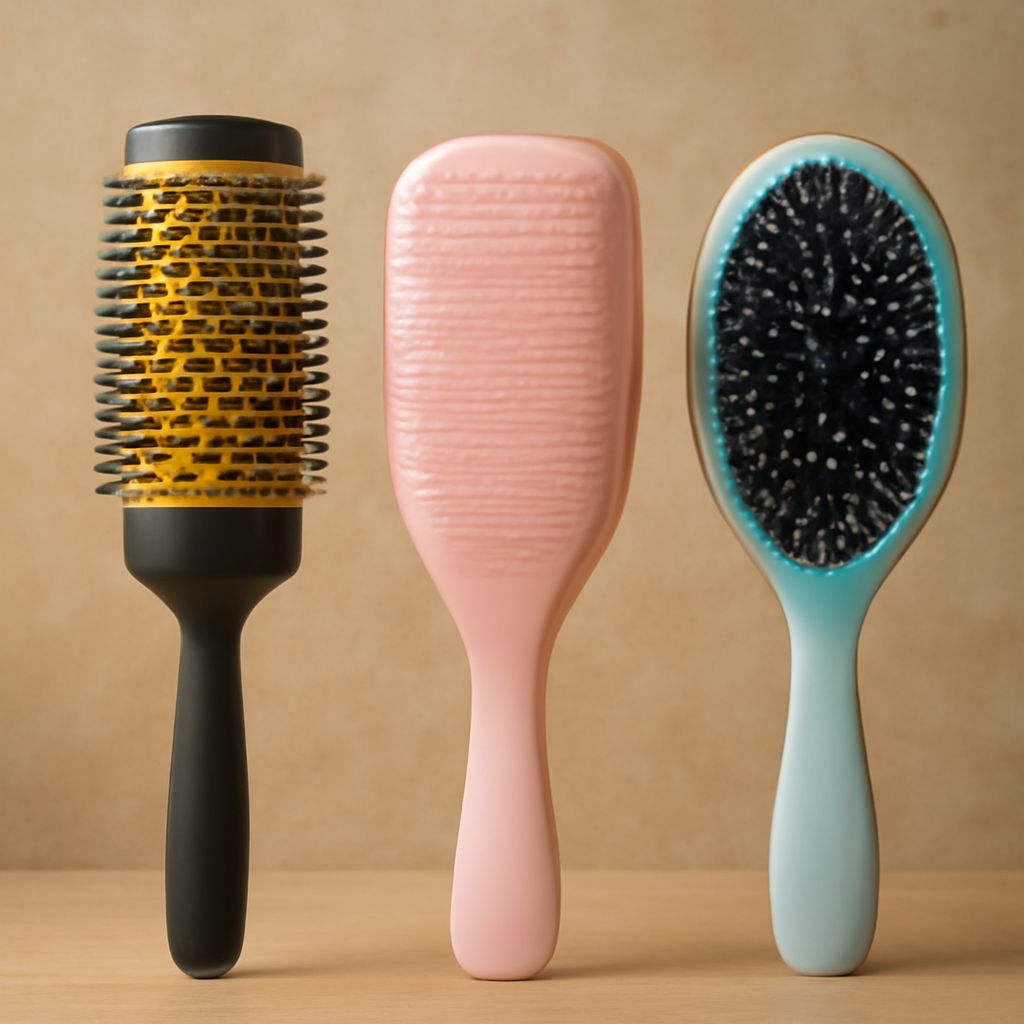
Several brushes stand out for their performance on all types of curls—from loose waves to tight coils. These tools are favored by stylists and curl enthusiasts alike:
- Denman D3 Original Styler: A cult classic, this brush features rows of sturdy nylon pins with smooth, rounded tips. It’s excellent for defining curls during the styling process, especially when used on wet hair with plenty of conditioner or curl cream.
- Wet Brush Original Detangler: Designed for minimal breakage, the Wet Brush has flexible bristles that gently unravel knots without disrupting your curl pattern. It’s perfect for detangling after washing or before deep conditioning.
- Tangle Teezer Naturally Curly Detangling Brush: With longer, firmer teeth, this version of the Tangle Teezer is made for thick, curly hair. It moves easily through dense curls and helps prevent the tugging that can lead to breakage.
- Crave Naturals Glide Thru Detangling Brush: Known for its cone-shaped plastic bristles, this brush works well on both wet and dry hair, separating strands gently and reducing pain during detangling sessions.
Each of these hair brushes for curly hair has unique strengths. The Denman is best for curl definition and styling, while the Wet Brush and Tangle Teezer excel at gentle detangling. Consider your hair’s thickness, curl type, and whether you want to style or simply detangle when making your choice.
How to Use a Brush on Curly Hair for the Best Results
To get the most out of your brush, always start with wet or damp hair. Dry brushing curly hair can cause frizz, breakage, and loss of natural shape. Apply a generous amount of conditioner or a leave-in product to add slip before brushing.
Begin detangling from the ends, slowly working your way up to the roots. This method minimizes breakage and gently works through knots. Use short, gentle strokes rather than pulling—let the brush do the work for you. For curl definition, try “brush styling”: after detangling, section your hair, add your favorite curl cream, and use a brush like the Denman D3 to shape curls by brushing outward and slightly twisting as you go.
If you encounter a tough tangle, pause and work it apart with your fingers before continuing with the brush. Patience pays off and helps your curls stay intact and vibrant.
Tips for Maintaining Healthy, Defined Curls
Beyond using the best brush for curly hair, a few habits will help your curls stay healthy and defined:
- Limit brushing to wet or damp hair for less frizz and breakage.
- Clean your brush regularly to remove product buildup, which can transfer back to your hair.
- Choose the right brush size and bristle type for your curl pattern—finer curls may need closer bristles, while thicker or coarser curls benefit from wider spacing.
- Pair brushing with hydrating products to keep curls moisturized and resilient.
- Never rush detangling sessions; give yourself time to work out knots gently.
With these strategies and the right hair brushes for curly hair, you can protect your strands and enjoy curls that are full of definition, life, and shine.