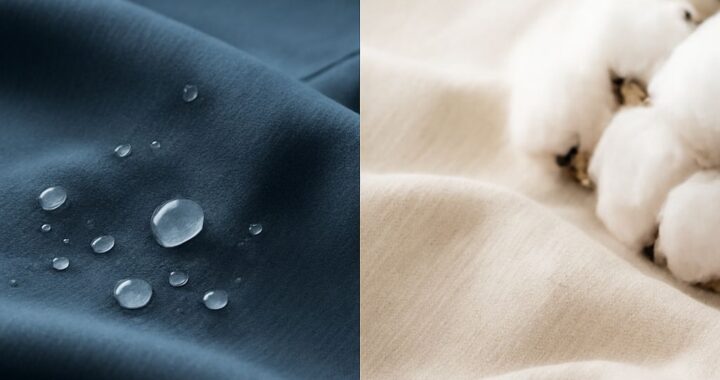
Turn a swatch over and you will find the part that can make or break your coat: the backing. The soft side gets the compliments, but the foundation determines how the fabric handles when cut and sewn. Whether you are buying imitation fur by the yard for one collar or considering wholesale synthetic fur fabric for a small collection, check both sides before you commit.
Start With Pile and Backing
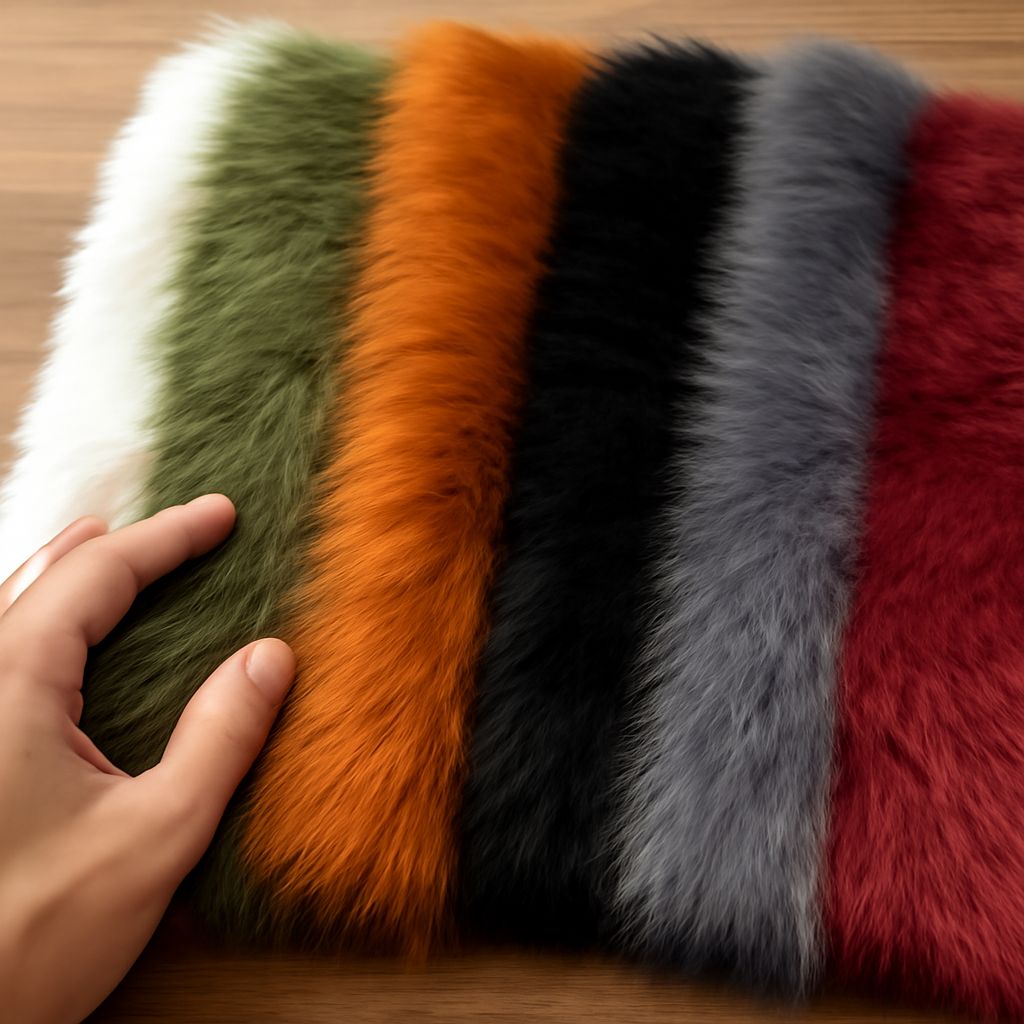
The pile is the visible surface of fibers. A short, dense pile gives a jacket a neater outline and can be easier to manage around a collar or pocket. A long, shaggy pile makes a dramatic stole or coat, but it adds bulk at seams and can obscure details. Hold a sample against your lining to check the drape.
The backing holds the fibers in place. Some are knitted and have a little stretch; others feel firmer. Gently stretch the swatch and check its recovery. A stretchy backing may need stabilization at shoulders or openings, while a stiff one can resist a close-fitting design. Match the backing to the pattern and test a seam.
Look for shedding, too. Freshly cut edges may shed, but continued heavy shedding warrants a second look. Part the pile to see how much backing shows, and examine the color in daylight and under indoor lighting. A glossy ivory may look different at dinner.
Work Out the Yardage Before Ordering
Fabric width and pile direction matter as much as the length of your garment. Nap is the direction in which the fibers lie. Brush the surface in both directions: it often looks and feels different each way. For a typical coat, plan for the pile to run downward on every main piece. Turning one piece upside down to save fabric can leave it looking like a different shade.
Here is a simple planning example for faux fur fabric by the yard. Suppose your single-layer layout uses a 58-inch usable width and all pieces can be arranged in the same nap direction in two consecutive rows, each 40 inches long. Allow another 10 inches for alignment and cutting margin: 40 + 40 + 10 = 90 inches, or 2.5 yards. For whole-yard sales, order 3 yards. This is an example layout, not a standard coat allowance: sleeves, size, matching and actual pattern shapes can change it.
Draw the usable width on paper and lay out full-size pattern pieces, including seam allowances. Expand any piece marked “cut on fold” to its full shape, and include mirrored left and right pieces. Check that every piece fits within the width and points the same way. Allow extra for pattern matching; confirm usable width and continuous cuts.
When cutting, mark the nap on the back and work in a single layer. Cut through the backing without chopping across the pile; the American Sewing Guild’s guide explains this approach and the need for mirrored pieces. Practice on a scrap first. Planning prevents an upside-down sleeve.
Test a Swatch Like a Garment
Order a sample of the fur fabric sold by the yard before buying the full length, especially for a coat. Check its weight and drape by holding it against your body or pinning it to a similar garment. Compare its color with your lining and its pile with the listing.
Sew two scraps together using the needle and stitch you plan to use. Check whether the backing puckers and whether the seam is too thick for your machine. Gently free trapped fibers from the seam with a blunt tool. Fold it into a cuff or lapel: deep pile can hide details and add bulk.
Read the seller’s care instructions before buying. Some synthetic piles are sensitive to heat, and care varies by construction and finish. Follow the specific wash, drying and pressing guidance; do not assume a hot dryer or iron is safe. Test the permitted cleaning method on a sample if possible. Include lining and closures in your care decision, since the finished garment must accommodate all its parts.
Compare Retail Options and the Real Price
For a single project, retail faux fur fabric by the yard lets you buy close to the length your layout needs. Big Z Fabric’s Siberian Husky listing describes a 58/60-inch width, approximately 2-inch pile and no stretch, and offers sample and yard options. Confirm stock and cut terms for the yardage of faux fur. Its animal pattern and long pile make it a candidate for a statement piece; check matching needs before calculating the order.
A lower price per yard of synthetic fur is useful only if the material suits the project. Cheap faux fur fabric by the yard can become costly if the pile sheds, the width forces an extra yard or the return policy excludes cut goods. Compare inexpensive synthetic fur by the yard against a second sample in the same light and sew both. Affordable faux fur sold by the yard that forms a smoother seam may be the better buy, even if its listed price is slightly higher.
Calculate the delivered total for your yardage of imitation fur: fabric length times price per yard, plus sample costs, shipping and applicable tax. Add lining, closures and any special tools to the project budget. For example, 3 yards at $20 is $60; with $12 shipping and an illustrative $6 tax, the fabric order totals $78, or $26 per usable ordered yard. Actual tax and shipping depend on the seller and destination. Ask whether samples or cut lengths can be returned before ordering.
Faux Fur Fabric Wholesale: When Bulk Makes Sense
Buying faux fur fabric wholesale is worth investigating when you are producing multiple garments and can use a larger continuous quantity. Shannon Fabrics’ wholesale information says it sells business to business and requires documentation; it lists different opening minimums for manufacturers and stores. Verify bulk fur fabric eligibility, minimums, shipping and lead time. Big Z’s Velboa listing invites customers buying multiple rolls to discuss wholesale orders.
Before choosing a wholesale supplier for faux fur, calculate how many garments you can cut from the roll using the same nap layout. Ask about dye lots, defective sections and whether a repeat order will match. Divide the full delivered bulk cost by the number of usable garments, allowing for waste. Buying synthetic fur fabric in bulk helps only if the quantity and storage fit the project.
Keep this checklist beside your pattern: choose the pile and backing; test a swatch and seam; lay out every piece in one nap direction; calculate length at the usable width; then compare delivered cost, care and return terms. Whether you order a few yards of faux fur or a wholesale roll, those checks make the fabric fit the garment instead of the other way around.