Toenail fungus, often appearing as discolored toenails or thickened nails, is a common condition that can be distressing. Understanding the early signs and knowing how to address them can prevent the infection from worsening. Recognizing the symptoms early and taking action can help restore your nails to their healthy state.
What is Toenail Fungus?
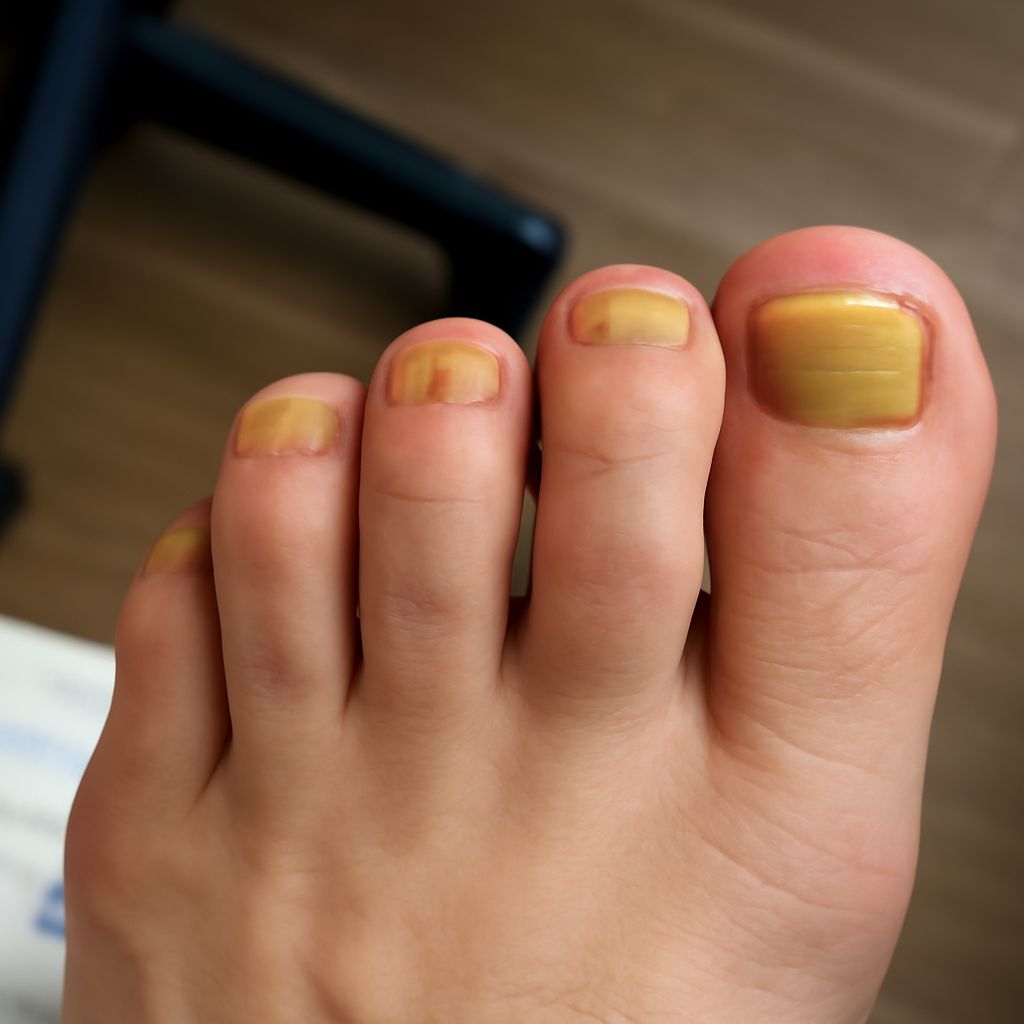
Toenail fungus, medically known as onychomycosis, is an infection caused by fungi invading the nail bed. It’s often characterized by nails that become yellow or brown, thick, and brittle. The fungus thrives in warm, moist environments, making swimming pools, showers, and gym locker rooms common places for exposure. Anyone can develop fungal toenails, but those with compromised immune systems, diabetes, or circulatory issues are at higher risk.
Identifying Early Stage Symptoms
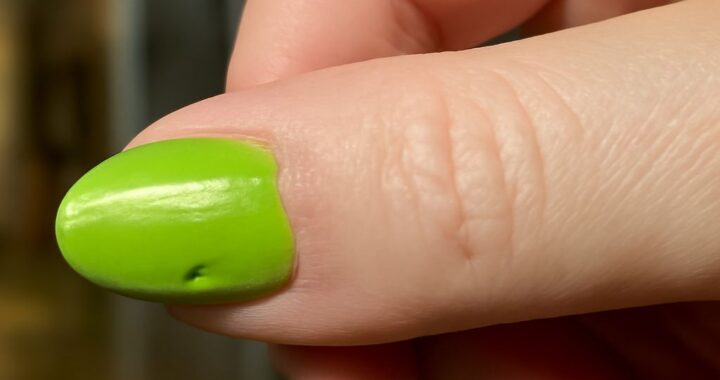
Early stage toenail fungus often starts with subtle changes. You might notice slight discoloration at the edges of your toenails, ranging from yellow to white. The nails may become brittle or slightly thickened. In some cases, the nail surface becomes uneven or develops tiny pits. If you spot these signs, it’s essential to take action quickly to prevent the condition from advancing.
Effective Treatments for Fungal Toenails
Treating fungal toenails effectively requires persistence and patience. Over-the-counter antifungal creams and ointments can be applied directly to the affected area. Products containing terbinafine or clotrimazole are common choices. For more severe cases, oral antifungal medications like itraconazole may be prescribed by a healthcare professional. It’s crucial to follow the treatment regimen as directed, even if improvements are slow.
- Topical Treatments: Apply these directly to the nail to halt the fungus’s growth. Regular use is key to effectiveness.
- Oral Medications: These are typically prescribed for stubborn infections and require monitoring for potential side effects.
- Laser Therapy: This newer treatment option uses light energy to target and kill fungus residing in the nails.
Preventing Future Infections
Preventing toenail fungus involves maintaining good foot hygiene and taking precautions in environments that promote fungal growth. Always dry your feet thoroughly after bathing and avoid walking barefoot in communal areas. Regularly change your socks and opt for breathable footwear to reduce moisture accumulation. Additionally, keeping your nails trimmed and clean can minimize the risk of infection.
- Maintain Dry Feet: Always dry your feet after washing and before putting on shoes.
- Wear Protective Footwear: Use sandals or waterproof shoes in public showers and pools.
- Choose Breathable Footwear: Opt for shoes made from materials that allow air circulation.
By understanding the signs of early stage toenail fungus and implementing effective treatments, you can tackle the issue head-on and restore your nails to a healthy state. Prevention is equally important, ensuring your toenails remain fungus-free in the future.