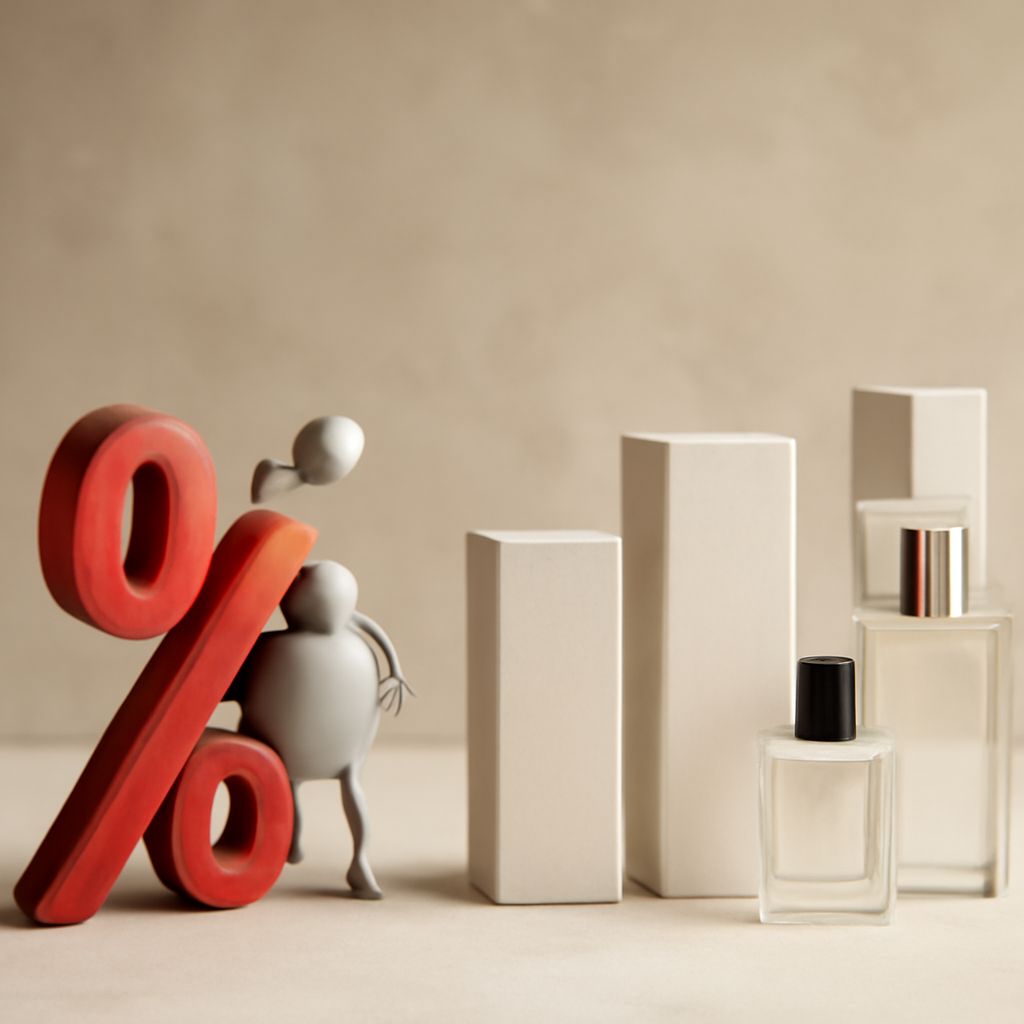
What is the difference between cologne and perfume? The main difference is fragrance concentration. Perfume, often labeled parfum or extrait, usually contains about 15% to 30% aromatic materials. Cologne generally contains about 2% to 5%, so it feels lighter and often wears for less time. These ranges vary by brand, and “cologne” can also describe a fragrance marketed for men.
Understanding how is perfume made helps you judge more than its label. The process moves from sourced materials to a blended concentrate, dilution, resting, and final finishing. Your testing method then shows how that formula changes on paper and skin.
What Is the Difference Between Cologne and Perfume?
Concentration affects intensity, longevity, texture, and price, but it does not determine whether a scent smells fresh, floral, spicy, or woody. A highly concentrated perfume can smell airy, while a cologne can feature rich woods or resins.
Perfume uses more aromatic concentrate in its alcohol-and-water base. You may notice a stronger opening and a longer dry-down, although performance also depends on ingredients, skin chemistry, climate, and application. Cologne typically gives you a brighter, quicker effect. It can suit warm weather, daytime wear, or anyone who prefers a subtle scent.
Do not compare labels by concentration alone. An eau de parfum commonly sits around 15% to 20%, while an eau de toilette often falls near 5% to 15%. Brands do not use these categories identically, so judge the actual scent’s development and staying power.
How Is Perfume Made? From Sourcing to Finishing
Perfume begins with raw materials. Perfumers may use natural materials such as citrus peels, flowers, leaves, spices, woods, resins, and seeds. They also use aroma molecules made through synthesis. Synthetics can recreate natural smells, improve stability, and provide effects that do not come directly from a plant.
Producers extract materials in different ways. Steam distillation captures aromatic compounds from materials such as lavender or wood. Citrus oils often come from expression, which mechanically presses the peel. Solvent extraction or carbon dioxide extraction can collect delicate floral or resinous materials without high heat. The resulting oils, absolutes, extracts, and aroma molecules become the perfumer’s palette.
The perfumer builds a formula by combining materials in measured proportions. Top notes create the first impression, heart notes shape the central character, and base notes provide lasting depth. These layers do not appear separately; they evaporate at different rates and influence one another.
Next, the formula becomes a concentrate. A manufacturer dilutes that concentrate with perfumer’s alcohol and sometimes water to reach the intended strength. The mixture may rest for days or weeks, allowing the materials to integrate. This resting stage can soften rough edges and clarify the final balance.
Finishing may include chilling, filtration, color adjustment, and quality checks. The finished liquid is then filled into bottles. Clear appearance, consistent scent, and stable performance matter before the product reaches you.
What Makes a Wood Perfume Smell Woody?
A wood perfume centers on dry, warm, earthy, creamy, or resinous impressions associated with trees and bark. Common woody materials include cedarwood, sandalwood, vetiver, patchouli, guaiac wood, and oud. Each gives a different effect: cedar can smell pencil-dry, sandalwood creamy, vetiver rooty and crisp, and oud dark or leathery.
Woody notes often pair with citrus, aromatic herbs, flowers, amber, musk, leather, vanilla, or spice. Citrus and herbs can make woods feel fresh. Vanilla and amber add sweetness and warmth, while leather or incense creates a darker profile. “Woody” describes a scent family, not a concentration or a manufacturing method.
How to Use a Perfume Tester to Evaluate Scent Development
- Start with blotters. Test no more than three or four fragrances at once. Label each strip, spray from several inches away, and let the alcohol evaporate for about 30 seconds.
- Record the opening. Smell each blotter without rubbing it. Note the first impression, such as bright citrus, pepper, smoke, sweetness, or a sharp green effect.
- Wait for the heart. Recheck the strips after 10 to 15 minutes. Look for changes in volume, texture, and balance. A promising opening may become too sweet or harsh; a quiet opening may develop beautifully.
- Move finalists to skin. Choose one or two scents and apply one spray to separate pulse areas. Skin warmth and body chemistry can change both the scent and its longevity. Do not rub the application, because friction can disrupt the evaporation pattern.
- Track the dry-down. Smell your skin after 30 minutes, one hour, and several hours. Identify the lasting base, including woods, musk, amber, resin, or vanilla. Notice whether it stays pleasant at close range and whether the strength suits you.
- Make the choice. Select the fragrance that develops well, feels comfortable, and lasts appropriately for your use. A good tester result is not simply the strongest scent; it is a balanced progression from opening through dry-down.