Eyelashes extension treatments have quickly become a beauty staple for anyone seeking longer, fuller lashes without daily mascara or strip lashes. Before booking your first appointment, it’s important to understand what are lash extensions, how the process works, and the main benefits and drawbacks. Here’s a practical guide to help you decide if eyelash extensions are the right investment for your beauty routine.
What Are Lash Extensions?
Lash extensions are semi-permanent fibers—usually made from synthetic, silk, or mink materials—that a trained technician applies to your natural eyelashes. Unlike strip lashes, which you remove daily, extensions are glued individually to your existing lashes, creating a natural-looking boost in length, fullness, and curl. You can choose from different lengths, thicknesses, and curl patterns to achieve your preferred style, from subtle enhancement to dramatic volume.
These extensions last as long as your natural lash cycle, typically about four to six weeks, although most people need touch-ups every two to three weeks to maintain fullness. Popular brands used in salons include Xtreme Lashes, NovaLash, and Lashify. The finished look can be customized—classic extensions bond one extension to each lash, while volume or hybrid techniques attach multiple lighter-weight fibers to each lash for extra fullness.
How Eyelashes Extension Works
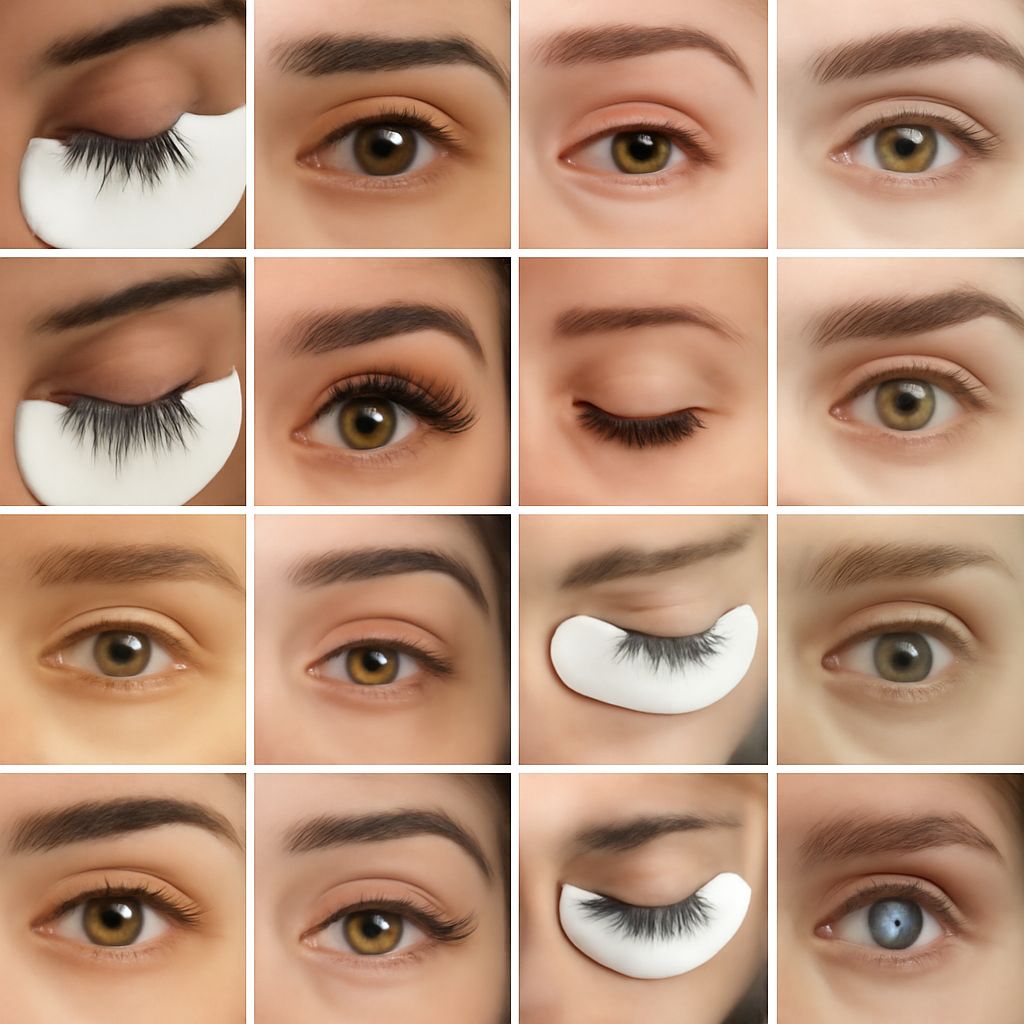
The eyelashes extension process starts with a consultation where you choose the lash style, curl, and thickness that suits your eye shape and lifestyle. Your technician will ask about allergies and sensitivities to pick the safest adhesive and materials. Next, you recline comfortably with your eyes closed while the technician isolates each natural lash and carefully attaches an extension using a medical-grade adhesive.
Applying a full set of lash extensions usually takes 90 to 150 minutes, depending on the desired look and the number of lashes being applied. Most salons recommend avoiding eye makeup, creams, and caffeine before your appointment to help the lashes adhere better and keep you relaxed during the session. After the initial application, you may schedule refills every 2-3 weeks to replace lashes that have naturally shed.
Proper aftercare is important: avoid oil-based cleansers, heavy rubbing, and excessive moisture (like saunas or steam) for 24-48 hours after application. Gentle cleansing with a lash-safe cleanser and brushing daily with a clean spoolie will help maintain your extensions and prevent clumping or premature shedding.
Eyelash Extensions Pros and Cons
Understanding the eyelash extensions pros and cons is crucial before committing. Here are the main advantages:
- Instant Glamour: Extensions provide noticeable length and volume without mascara or strip lashes, giving you a polished look every day.
- Time-Saving: With lashes ready to go, your makeup routine is shorter—many people skip eyeliner and mascara entirely.
- Customizable: You can tailor the result to look natural or dramatic, depending on your preferences and lifestyle.
However, there are potential drawbacks to consider:
- Maintenance: Lash extensions require regular fills every 2-3 weeks, and aftercare is essential to prevent premature loss or eye irritation.
- Cost: A full set can cost $100-$250, with fills averaging $50-$100 per session. This adds up over time compared to mascara or strip lashes.
- Risk of Damage: If not applied or cared for properly, extensions can cause your natural lashes to weaken or fall out. Professional application and gentle handling minimize this risk.
- Possible Allergic Reactions: Some people experience irritation from the adhesive or materials, though hypoallergenic options exist.
Are Eyelash Extensions Right for You?
Lash extensions are best suited for those who want low-effort glamour and are willing to invest time and money into maintenance. If you have strong, healthy lashes and sensitive skin isn’t a concern, you’re a good candidate. Extensions are popular for special occasions, but many people wear them year-round for daily convenience.
Consider your lifestyle—if you swim often, rub your eyes, or use oil-based skincare, extensions might not last as long. People with certain eye conditions, allergies, or very sparse natural lashes should consult a professional before proceeding. If you’re not ready for the upkeep or expense, alternatives like lash lifts and tints, or high-quality mascara, offer a temporary boost with less commitment.
Ultimately, deciding whether to get eyelash extensions depends on your beauty goals, budget, and willingness to maintain them. If you’re curious, start with a classic set and see how they fit into your daily routine.