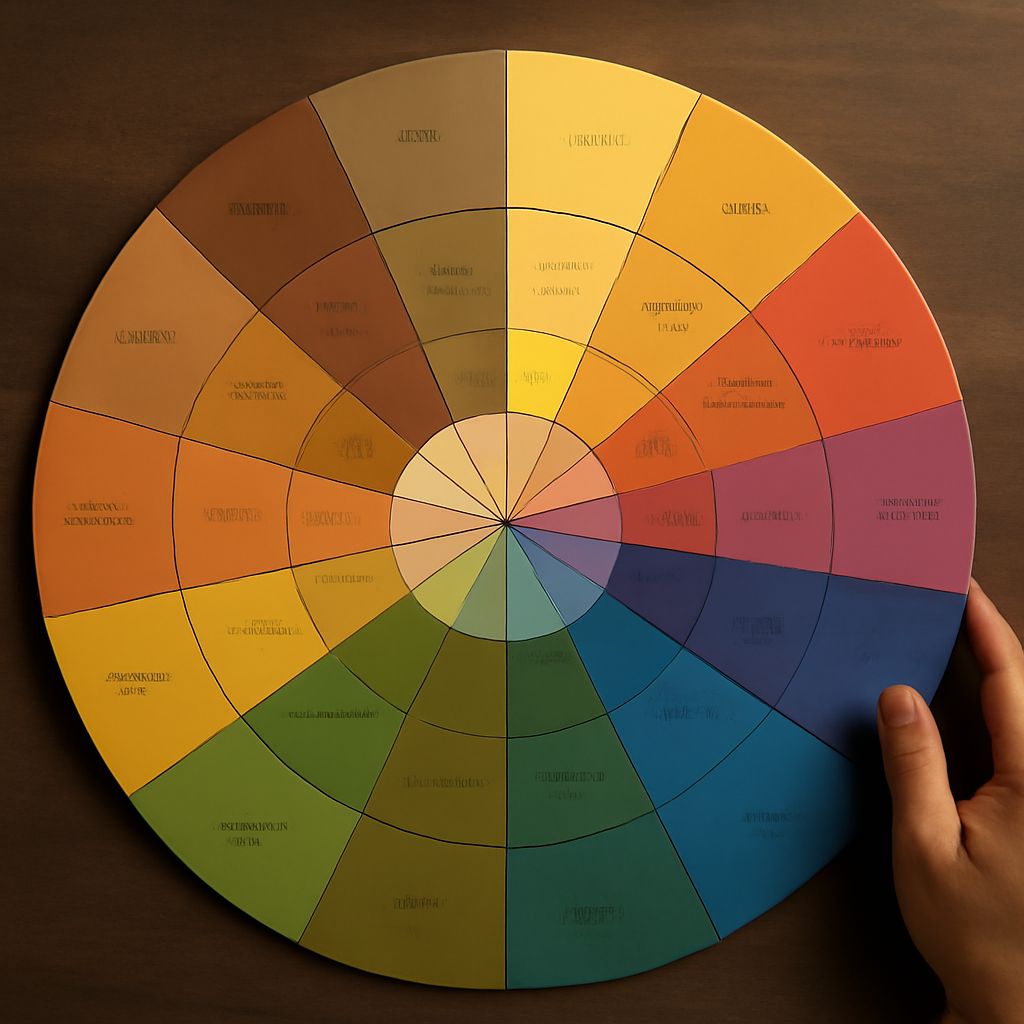
Perfume notes play a crucial role in crafting the unique scent profiles that you encounter in perfumes and colognes. Understanding these fragrance notes can enhance your appreciation of your favorite scents and help you choose new fragrances with confidence. This guide will explore the essence of perfume notes, the significance of their layers, and how to effectively use a perfume notes chart.
What Are Perfume Notes?
Perfume notes are the individual components that make up a fragrance’s overall scent. They are categorized into three layers: top, middle, and base notes. Each layer contains different ingredients that evaporate at varying rates, affecting how a fragrance evolves from the first spray to its lingering finish. Understanding these layers helps you appreciate the complexity and art behind each scent.
The Role of Top, Middle, and Base Notes
The distinct layers of a fragrance serve specific purposes:
- Top Notes: These are the scents you initially perceive when you spray a fragrance. They are often light and volatile, evaporating quickly. Common top notes include citrus, herbs, and light fruits like lemon, basil, and grapefruit.
- Middle Notes: Also known as heart notes, these emerge as the top notes fade. They form the core of the fragrance, providing fullness and depth. Florals, spices, and greens such as lavender, cinnamon, and rose are typical middle notes.
- Base Notes: These notes develop later and have the most extended lasting power. Base notes anchor the fragrance, adding richness and smoothness. Common examples include vanilla, musk, and woodsy scents like sandalwood and cedar.
How to Use a Perfume Notes Chart
A perfume notes chart is a valuable tool for both enthusiasts and novices. It allows you to visualize and compare the composition of different fragrances based on their notes. When using a perfume notes chart:
- Identify the Fragrance Family: Group scents by their dominant notes, such as floral, oriental, woody, or fresh.
- Analyze Layer Interactions: Observe how top, middle, and base notes complement each other. This understanding helps in selecting scents that match your preferences.
- Experiment with Combinations: Use the chart to explore new fragrance combinations by identifying common notes across different perfumes.
Choosing the Right Fragrance for You
Selecting a fragrance is a personal journey. Consider these factors to find a scent that suits you:
- Personal Taste: Reflect on which scent profiles resonate with you. Do you prefer fresh and citrusy, warm and spicy, or floral and sweet?
- Occasion and Season: Choose light, airy scents for summer and daytime wear, and richer, more intense fragrances for evening and cooler months.
- Test Before You Buy: Always try a fragrance on your skin before purchasing, as body chemistry can alter how a scent smells on you.
By understanding and exploring perfume notes, you can deepen your appreciation for fragrances and make informed choices when adding to your collection.