Perioral dermatitis is a skin condition characterized by a rash around the mouth that often resembles acne, leading to confusion with perioral acne. Understanding the differences and treatment options is crucial for effective management. This guide explores what perioral dermatitis is, its common causes, and how you can treat it.
What is Perioral Dermatitis?
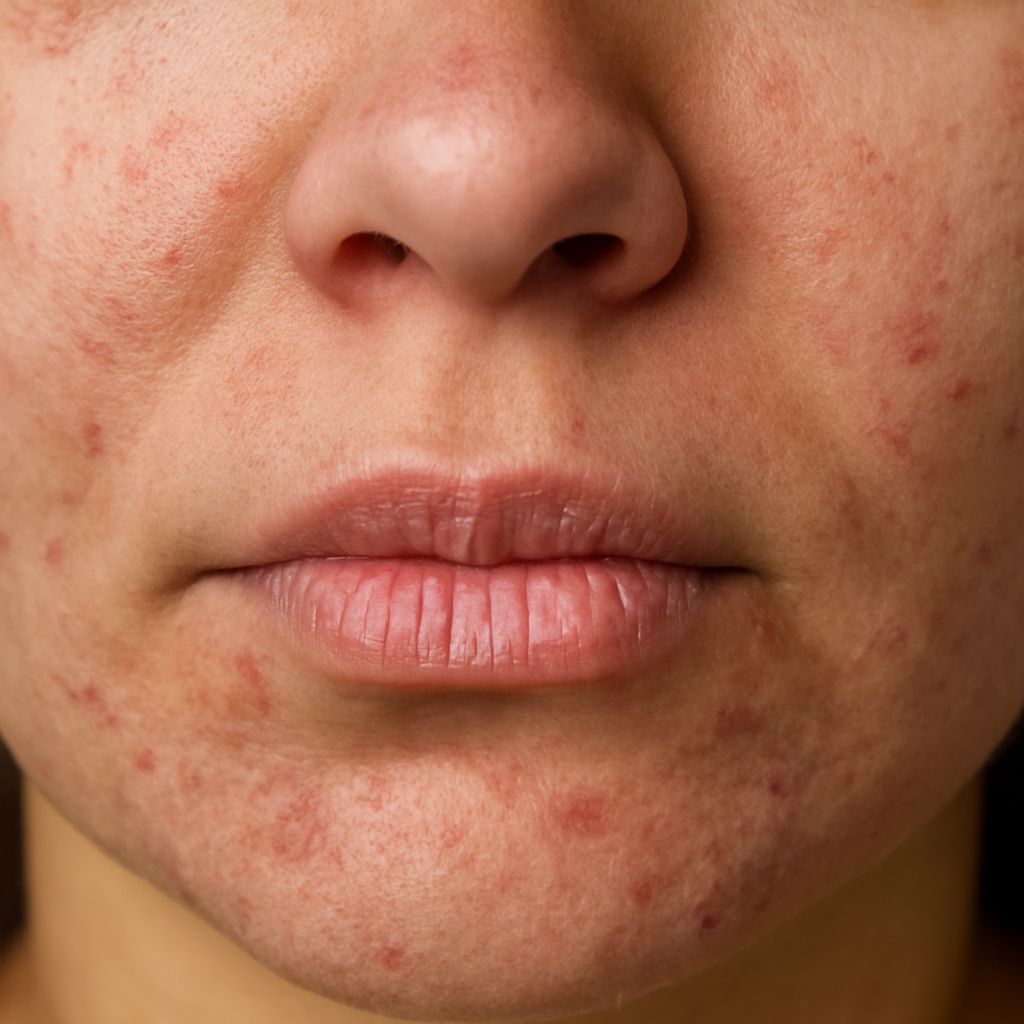
Perioral dermatitis is a facial rash that typically appears around the mouth, nose, and eyes. It manifests as small red or pink bumps, which may be accompanied by a burning sensation or itchiness. The condition can be mistaken for perioral acne due to its appearance, but it differs as it is not linked to clogged pores. It often affects women aged 16 to 45, but can also occur in children and men.
Common Causes and Triggers
Several factors can trigger or worsen perioral dermatitis. One common cause is the prolonged use of topical steroid creams, which can disrupt your skin’s natural barrier. Overuse of heavy facial creams and moisturizers can also contribute to developing this condition.
Environmental factors, such as harsh weather conditions, can exacerbate the symptoms. Furthermore, certain ingredients in cosmetics, such as sodium lauryl sulfate in toothpaste and fluoride, have also been linked to triggering the rash around the mouth. Hormonal changes, stress, and bacterial or fungal infections are additional contributors.
Effective Treatments and Remedies
Treating perioral dermatitis requires a careful approach to avoid worsening the condition. The first step is to discontinue the use of topical steroid creams and any potentially irritating skincare products or cosmetics.
Switch to a mild, sulfate-free cleanser and avoid heavy creams or lotions. Opt for a light, non-comedogenic moisturizer if needed. Additionally, using a fluoride-free toothpaste can help reduce irritation.
Oral antibiotics such as tetracycline, doxycycline, or minocycline are often prescribed for their anti-inflammatory properties, helping to reduce the rash and prevent future flare-ups.
Topical treatments like metronidazole, clindamycin, or pimecrolimus creams can also be effective. Remember to consult with a dermatologist before starting any new treatment to ensure it is appropriate for your specific case and skin type. Addressing perioral dermatitis early can lead to a significant improvement in symptoms and help you regain clear, healthy skin.